
15 Unique Desserts From Around the World You’ve Probably Never Made (But Should)
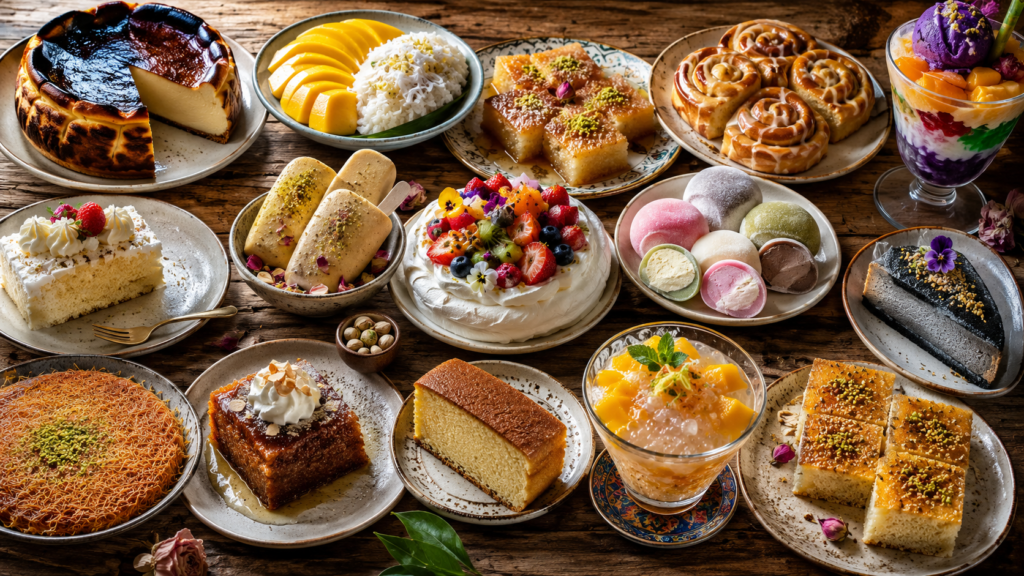
Most “unique desserts from around the world” lists recycle the same five names: tiramisu, crème brûlée, baklava, panna cotta, flan. They’re wonderful. They’re also everywhere. If you’ve made them a dozen times, you already know their tricks and their limits.
This list goes somewhere else. It’s built around desserts that are genuinely unusual to most home cooks outside their country of origin, but that aren’t gimmicks each one earns its place because of a technique, a texture, or a flavor combination you can’t easily get elsewhere. Some take twenty minutes. Some take a weekend. All of them are worth the detour.
Here’s what nobody tells you about “exotic” desserts: most of the difficulty is psychological, not technical. The ingredients are stranger than the methods. Once you know what you’re looking for at the store, the actual cooking is often simpler than a layer cake.
Why Bother With Unfamiliar Desserts At All?
Because flavor memory gets stale. The fifth time you make the same chocolate chip cookie, your palate stops paying attention. Desserts built on unfamiliar bases — black sesame, pandan, condensed milk custards, rosewater, miso caramel — reset that attention. They also tend to use ingredients that are shelf-stable and increasingly available at any well-stocked grocery store or Asian, Middle Eastern, or Latin market, so “unusual” rarely means “impossible to source” anymore.
A few of these also solve a real problem: many Western desserts lean hard on butter, refined sugar, and dairy. Several entries here lean on coconut milk, rice, fruit, or egg-based custards instead, which changes both the nutritional profile and the texture in interesting ways.
1. Basque Burnt Cheesecake (Spain)
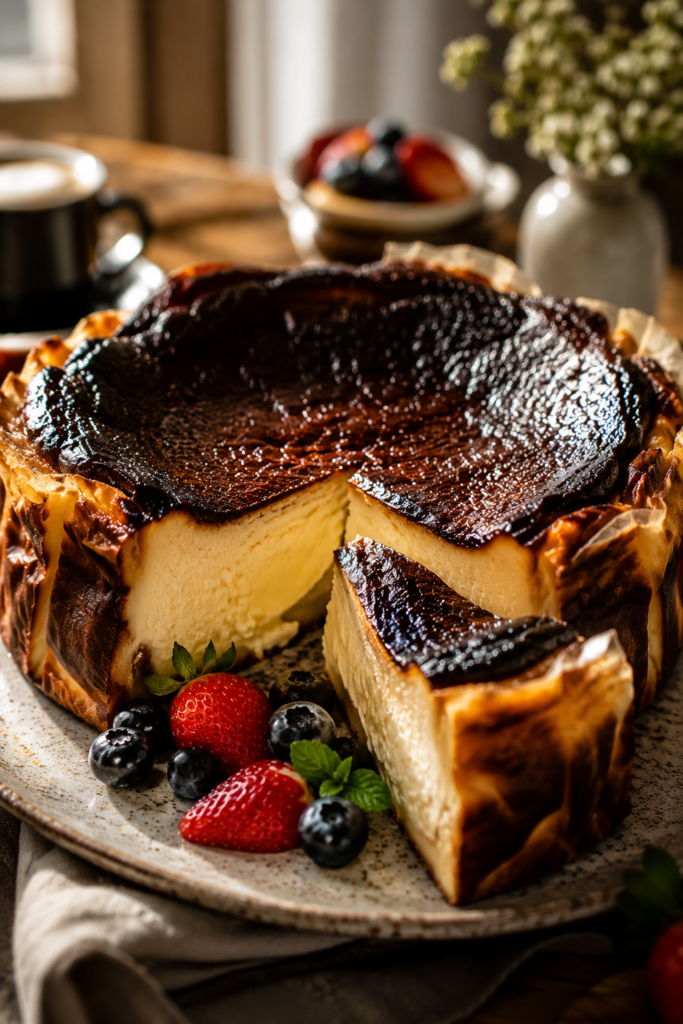
This is the gateway drug of the list — unusual-looking but forgiving to make. Unlike a classic New York cheesecake, you bake it hot and fast (450°F+) with no water bath, no crust, and no fear of cracking. The top goes nearly black, the center stays loose and custardy, and the contrast between bitter caramelized exterior and creamy interior is the whole point.
Why it works: the high sugar content on the surface caramelizes before the inside fully sets, creating a self-contained crème brûlée layer without a torch.
Common mistake: pulling it out too early because the jiggle looks alarming. It should wobble like loose custard in the center — that’s correct, not underdone. It firms up as it cools.
Cost and time: under $15 in ingredients, about 50 minutes active plus cooling. One of the best dollar-to-wow ratios on this list.
2. Mango Sticky Rice (Thailand)
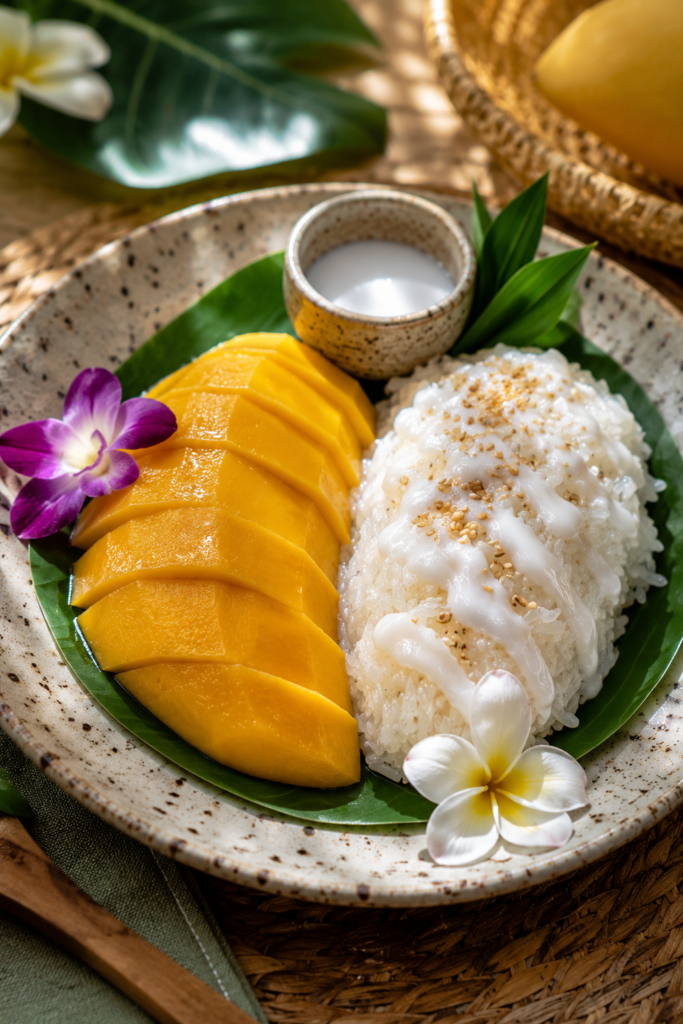
Glutinous rice, coconut milk, ripe mango, a pinch of salt. That’s the entire ingredient list, and it’s proof that simplicity and “unusual” aren’t opposites for most Western kitchens.
The trick is using actual glutinous (sweet) rice — labeled that way at Asian grocers — not regular short-grain rice, which won’t get the right sticky, slightly chewy texture. Steam it rather than boil it, then fold in warm coconut milk so the rice drinks it in.
Variation to try: black glutinous rice instead of white, for a nuttier flavor and dramatic color contrast against the mango.
Where people go wrong: using underripe mango. This dessert lives or dies on fruit quality — a fragrant, fully ripe mango is non-negotiable.
3. Basbousa / Harissa (Middle East & North Africa)
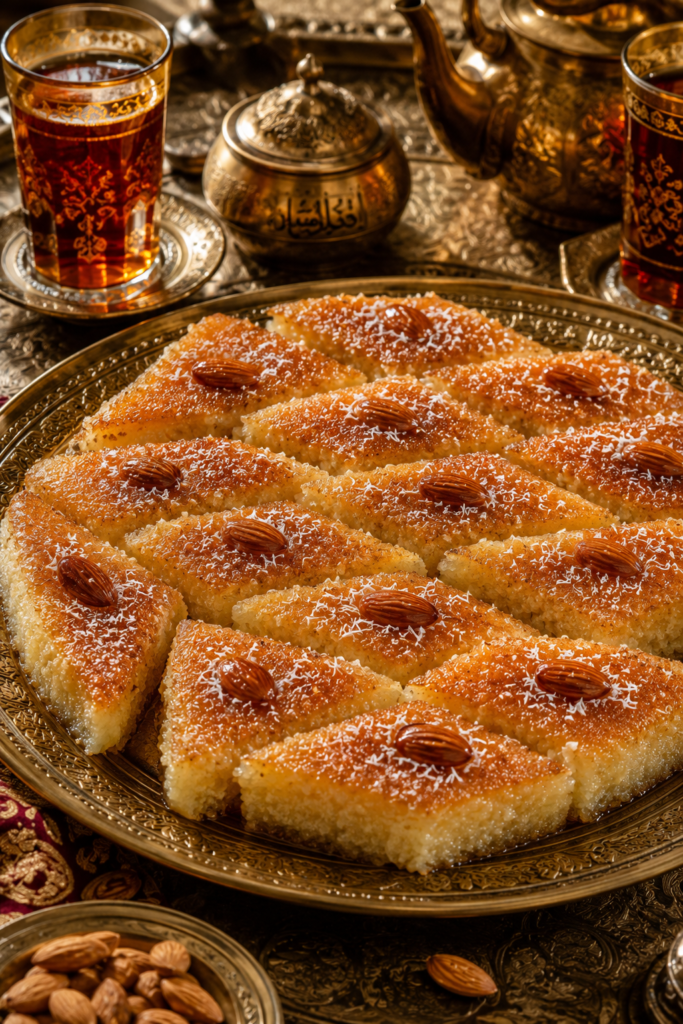
Not to be confused with the chili paste — this harissa is a semolina cake soaked in syrup, sometimes with coconut, almonds, or rosewater. The semolina gives it a slightly grainy, dense texture that’s closer to a pudding cake than a Western sponge.
Technique that matters: score the cake into diamonds before baking, not after, so the syrup penetrates evenly through the cuts once it comes out of the oven hot.
Honest take: this is one of the more forgiving bakes on the list — hard to overbake, hard to underbake, very hard to mess up the syrup soak as long as you pour it while the cake is still hot and the syrup is still warm.
4. Hokkaido Milk Bread Cinnamon Rolls (Japan, via the Tangzhong Method)

Not a dessert ingredient most people expect, but the tangzhong method — cooking a portion of flour and liquid into a paste before adding it to the dough — is the single biggest upgrade available to anyone who bakes enriched breads or rolls. It locks in moisture, giving you cinnamon rolls (or dinner rolls, or milk bread loaves) that stay soft for days instead of going stale by the next morning.
Step-by-step in brief:
- Whisk a small portion of flour with milk and water, cook over low heat until it thickens into a paste (5 minutes).
- Cool slightly, then mix into your regular enriched dough.
- Proof, fill, roll, and bake as you normally would.
Time investment: roughly 30 extra minutes versus a standard dough, for bread that stays soft 3x longer. Worth it for anything you’re not eating same-day.
5. Halo-Halo (Philippines)
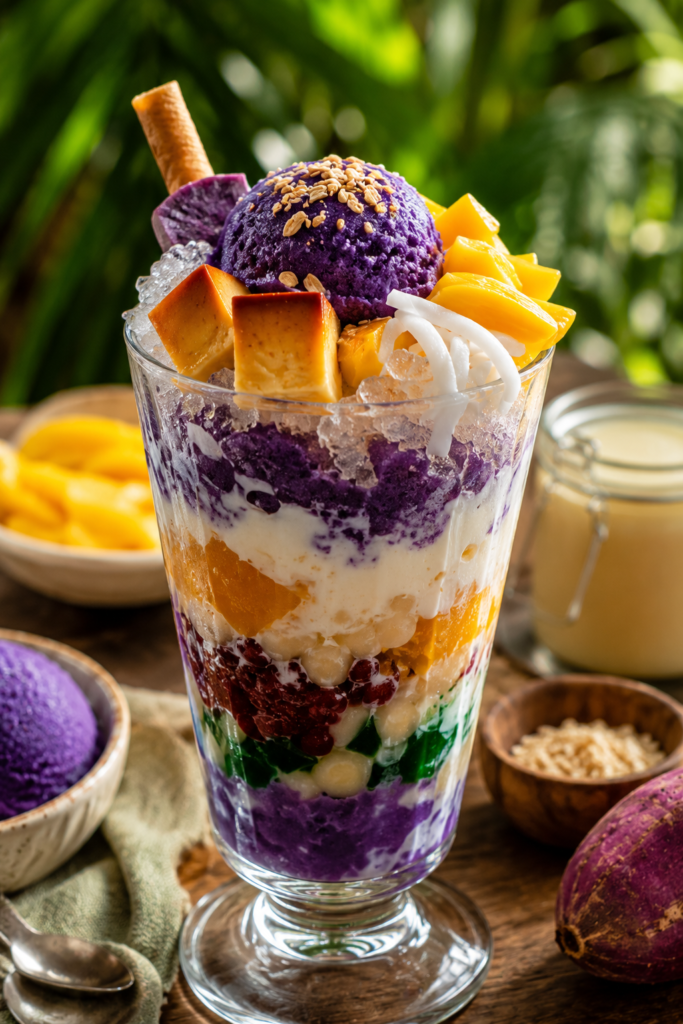
A shaved ice dessert that looks chaotic and tastes like a dozen good ideas had a party. Layers can include sweetened beans, jackfruit, coconut strips, leche flan, ube halaya (purple yam jam), shaved ice, and evaporated milk poured over the top.
Why it’s worth the effort: texture variety. Most Western desserts optimize for one or two textures. Halo-halo deliberately stacks soft, chewy, crunchy, creamy, and icy in a single bowl.
Realistic approach for a home cook: you don’t need all twelve traditional components. Pick four or five — shaved ice, condensed milk, a jam or compote, a creamy element, and a crunchy garnish — and build your own version. Ube halaya is increasingly available canned or frozen at Asian grocers if you don’t want to make it from scratch.
6. Tres Leches Cake — But With a Twist (Latin America)
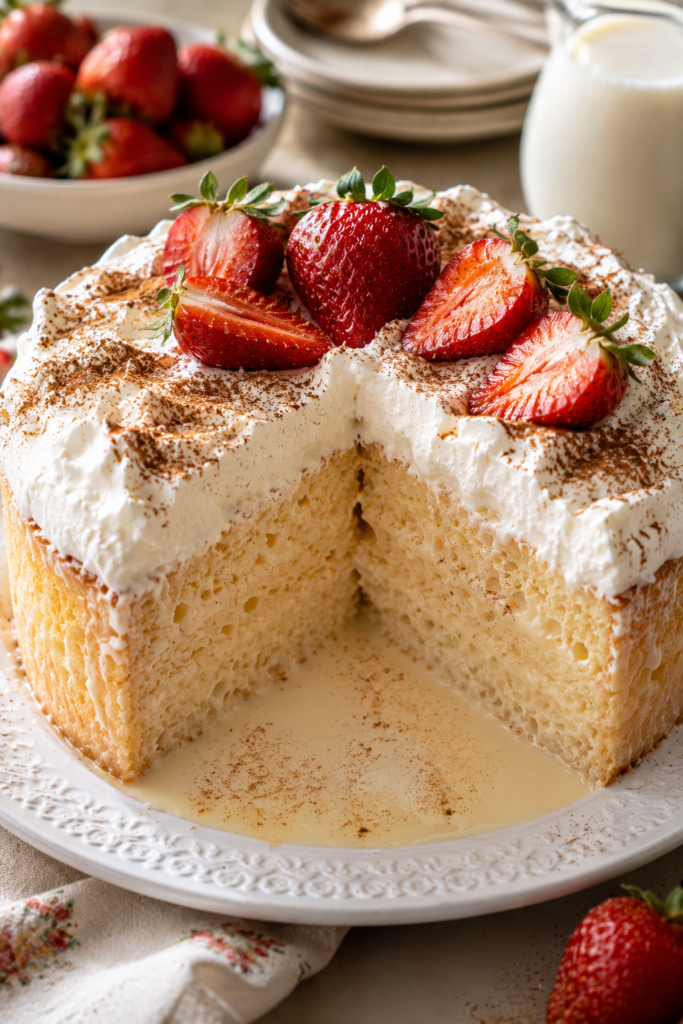
Everyone’s heard of tres leches. Fewer people know that swapping one of the three milks for coconut milk, or adding a shot of espresso to the soak, transforms it from “nice potluck cake” into something genuinely memorable.
Core technique: the cake needs to be sturdy enough to absorb a full cup-plus of milk mixture without collapsing — a sponge cake with a bit of extra leavening structure works better than a delicate genoise.
Common failure point: pouring the milk mixture over a hot cake. Let it cool fully first, or the proteins in the milk can curdle slightly against residual heat, affecting texture.
7. Kulfi (India / Pakistan / Bangladesh)
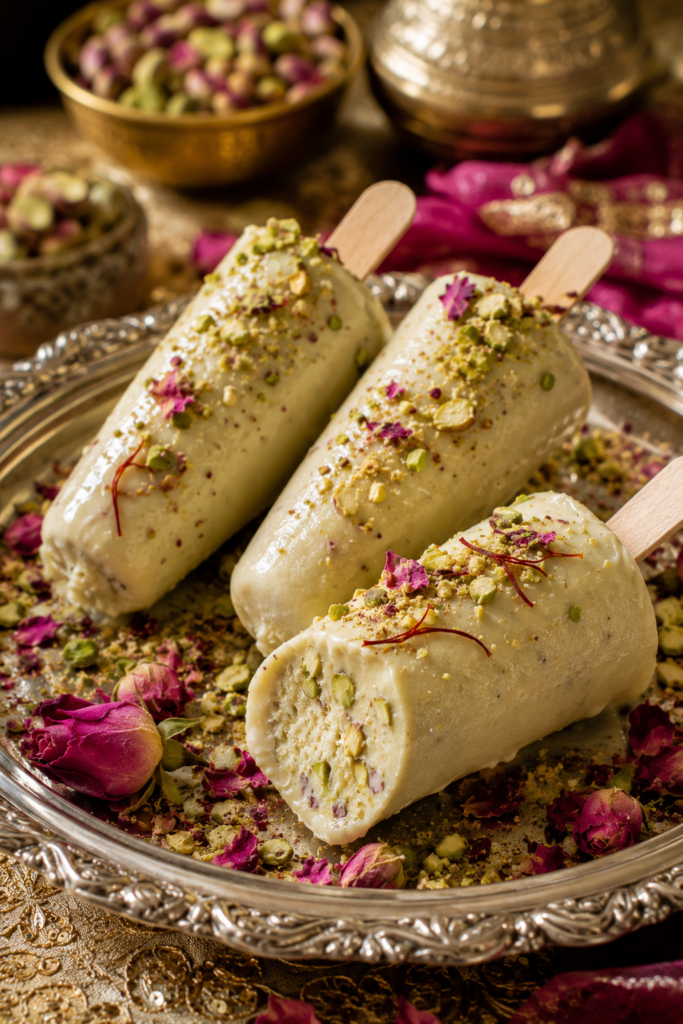
Often called “Indian ice cream,” but the comparison undersells it. Kulfi is denser, slower-melting, and made by reducing milk for hours rather than churning air into cream. No ice cream maker required — that’s the appeal for a lot of home cooks who’ve avoided it assuming they needed special equipment.
The actual process: simmer whole milk for 45–60 minutes until reduced by half, add sugar, cardamom, and pistachio or mango, then freeze in molds (or popsicle molds in a pinch) for 6+ hours.
Why people underrate it: because it’s not whipped or churned, kulfi has almost no air in it. That density is the entire point — it’s meant to be eaten slowly, in small amounts, not scooped into a big bowl.
8. Pavlova (Australia & New Zealand)
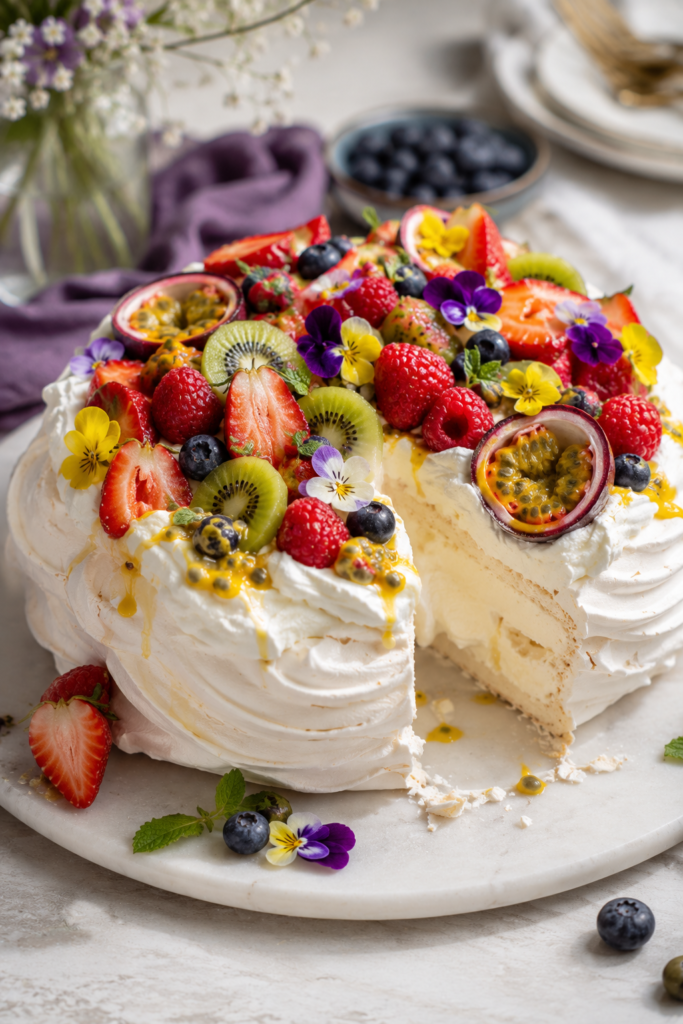
A meringue dessert that’s contested territory between two countries, but universally underused outside them. Crisp shell, marshmallowy center, topped with whipped cream and fruit. It looks like restaurant-level effort for what’s actually a beginner-friendly bake once you understand two rules.
Rule one: add sugar to egg whites gradually, not all at once, or you’ll deflate the foam. Rule two: bake low and slow (around 250°F), then let it cool completely inside the turned-off oven. Opening the door too early causes cracking and collapse.
Where it goes wrong: humid weather. Meringue is hygroscopic — it pulls moisture from the air — so on a humid day, expect a softer, weepier shell. Not a dealbreaker, just a known trade-off.
9. Mochi Ice Cream (Japan)
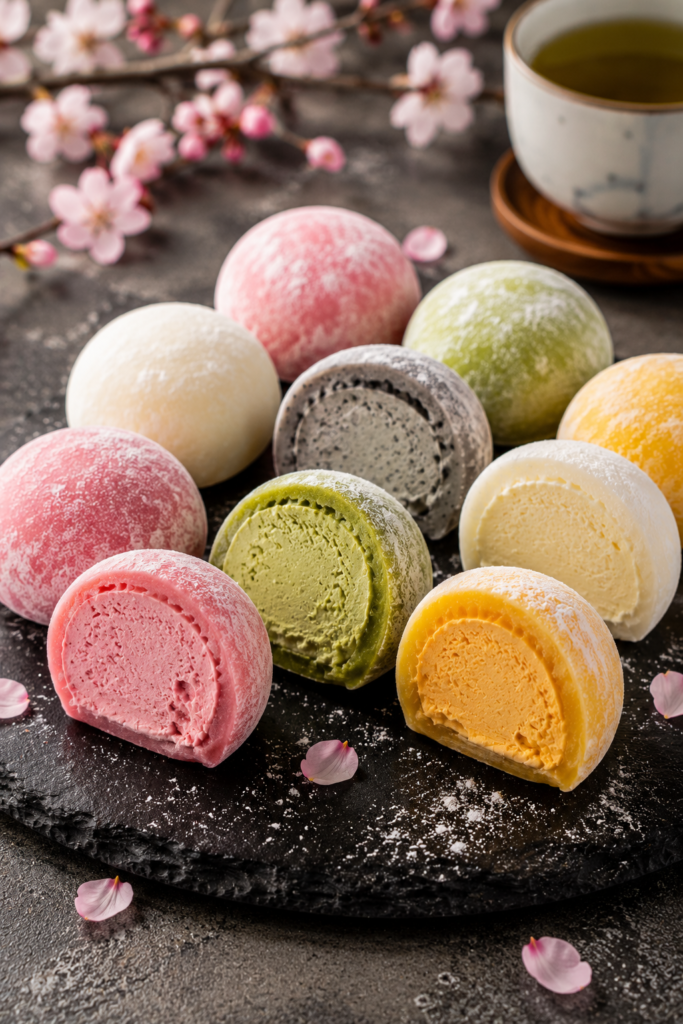
The chewy rice-flour wrapper around an ice cream center used to require real skill with mochiko (glutinous rice flour) and a hot, sticky dough that’s genuinely tricky for beginners. The shortcut that’s made this accessible at home: microwaving the mochi dough instead of steaming it, which takes the technique from “intimidating” to “15 minutes, mostly hands-off.”
Basic ratio: mochiko flour, sugar, water, microwaved in 1-minute intervals and stirred between each, until translucent and stretchy. Dust heavily with cornstarch to handle it without sticking to everything in your kitchen.
Best practice: freeze your ice cream into small balls on a tray before wrapping them in mochi — trying to scoop ice cream and wrap it in one motion is where most people give up.
10. Black Sesame Desserts (East Asia, broadly)
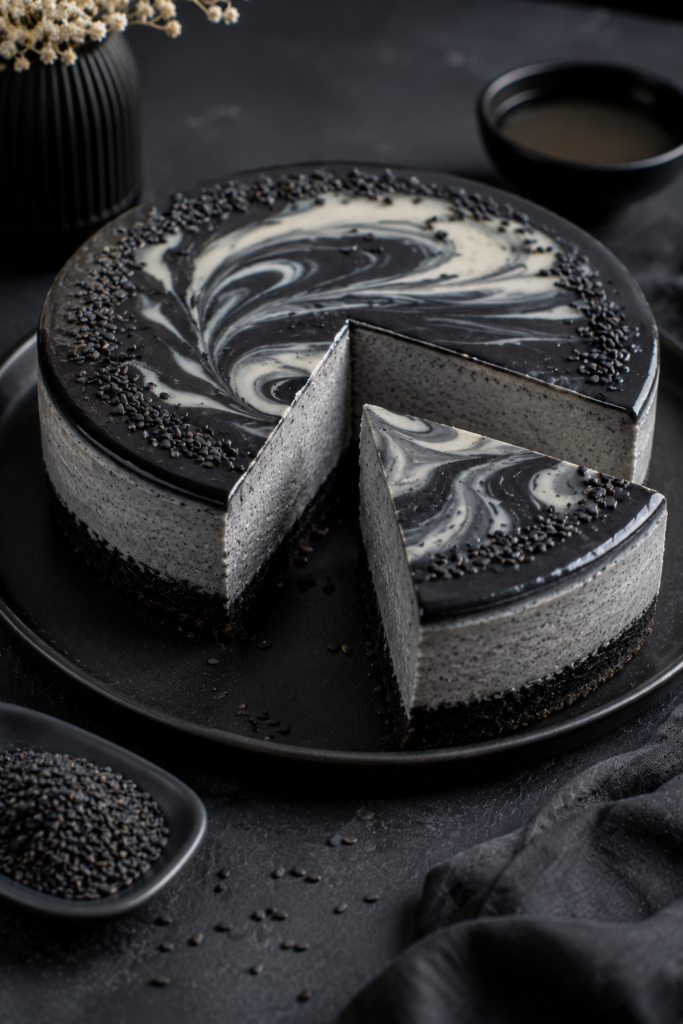
Not a single recipe but a flavor category worth knowing: black sesame paste (available jarred at most Asian grocers) brings a deep, nutty, faintly bitter note that pairs beautifully with sweetness in a way most Western bakers have never explored. Use it in:
- A simple black sesame ice cream base (steep toasted sesame in cream, strain, churn)
- Black sesame mochi or dumplings
- A black sesame swirl through plain cheesecake batter
Why it’s worth learning: it’s one of the few flavors that reads as “sophisticated” to most Western palates on first taste, while being genuinely simple to source and use.
11. Knafeh (Levant / Middle East)
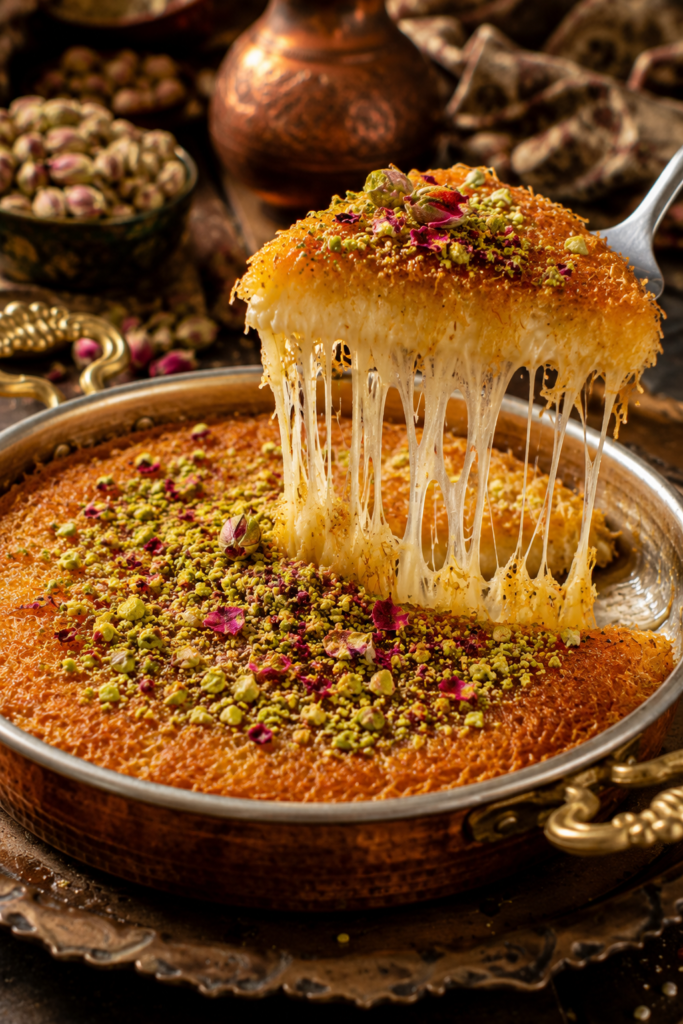
Shredded phyllo (kataifi) layered with a soft, stretchy cheese filling, soaked in rosewater or orange blossom syrup, often dyed bright orange-red with food coloring traditionally. The cheese pull when you cut into it is the entire reason this dessert has become a viral sensation in recent years.
Cheese substitution note: the traditional Nabulsi or Akkawi cheese can be hard to find outside specialty Middle Eastern markets. A common, very workable substitute is a mix of low-moisture mozzarella and a bit of ricotta, soaked briefly in water to reduce saltiness.
Technique that matters most: toast the shredded phyllo in butter over medium-low heat until deep golden, stirring constantly — this is the step people rush, and it’s what gives knafeh its signature crunch against the soft cheese center.
12. Malva Pudding (South Africa)
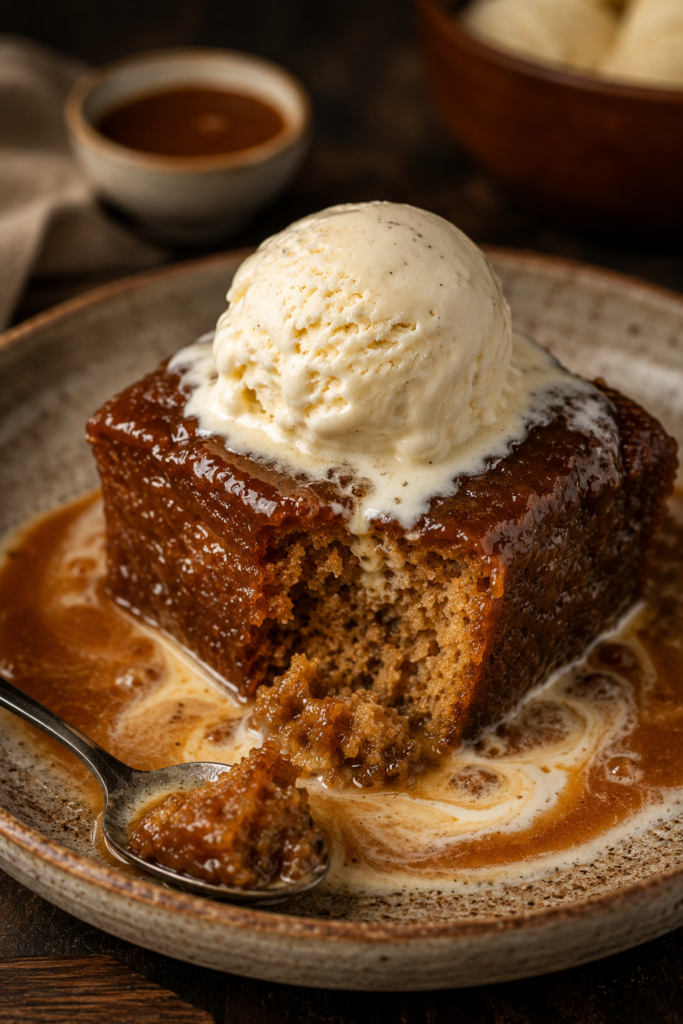
A sticky, spongy, apricot-jam-based cake soaked in a hot cream-and-butter sauce immediately after baking. Texture-wise, it sits somewhere between bread pudding and sticky toffee pudding, but the apricot jam base gives it a brighter, fruitier backbone than either.
Key step: poke holes across the top of the warm cake before pouring the sauce, so it soaks all the way through rather than pooling on top.
Serving note: classically served with custard or vanilla ice cream — the richness of the sauce needs something cool and plain to cut it.
13. Castella Cake (Japan, via Portugal)
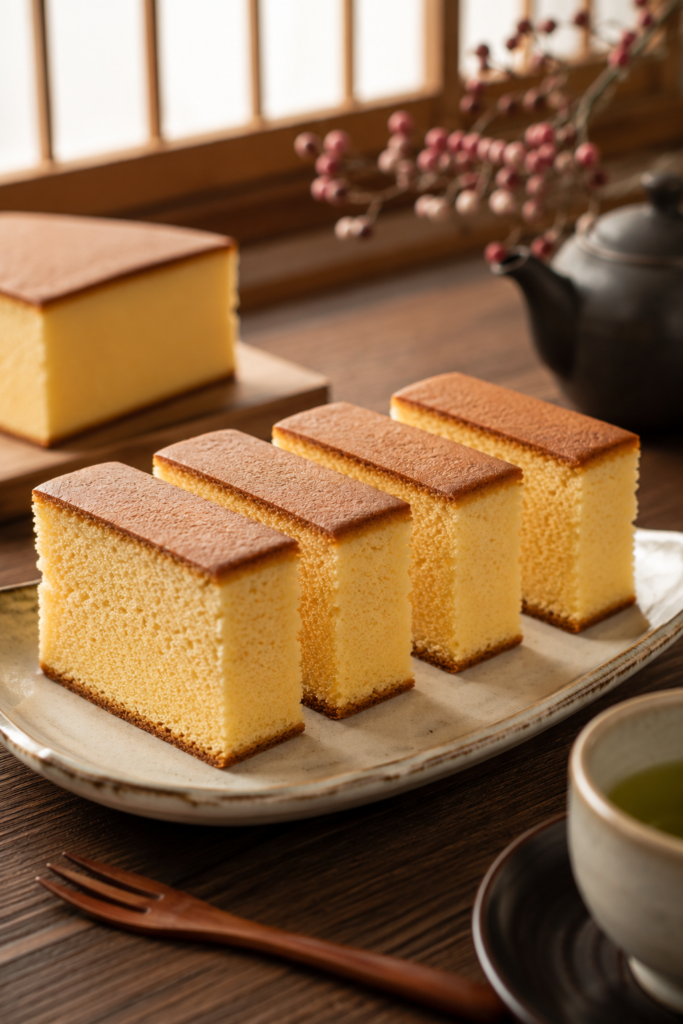
A tall, springy sponge cake with almost no fat beyond eggs, made using a specific whisking and folding technique that produces an unusually fine, moist, uniform crumb. It traveled to Japan with Portuguese traders centuries ago and has been refined into its current form since.
The defining technique: whip whole eggs and sugar over a double boiler (gentle heat) before adding flour — this produces a more stable foam than whipping at room temperature, and it’s the main reason castella has such a tight, even crumb compared to a standard sponge.
Patience required: the cake is traditionally wrapped while still warm to trap moisture and develop its signature sticky-moist crumb overnight. Cutting it the same day it’s baked means missing the texture it’s known for.
14. Mango Pomelo Sago (Hong Kong)
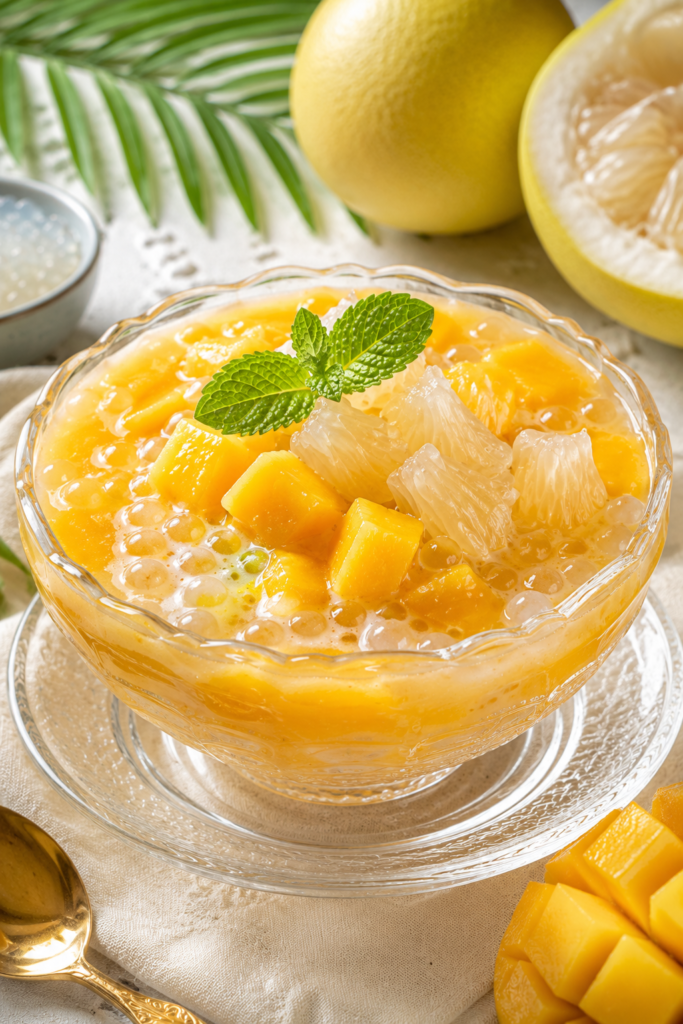
A chilled, soupy dessert built from sago pearls (similar to small tapioca pearls), fresh mango puree, pomelo or grapefruit segments, and coconut milk or evaporated milk. It’s closer to a dessert soup than anything in the Western dessert canon, and that’s exactly its appeal on a hot day.
Texture tip: cook sago pearls until mostly translucent with a tiny white dot in the center, then rinse in cold water immediately to stop the cooking and prevent clumping.
Substitution if pomelo isn’t available: ruby red grapefruit segments work well, with slightly more bitterness to balance the mango’s sweetness.
15. Sfouf (Lebanon)
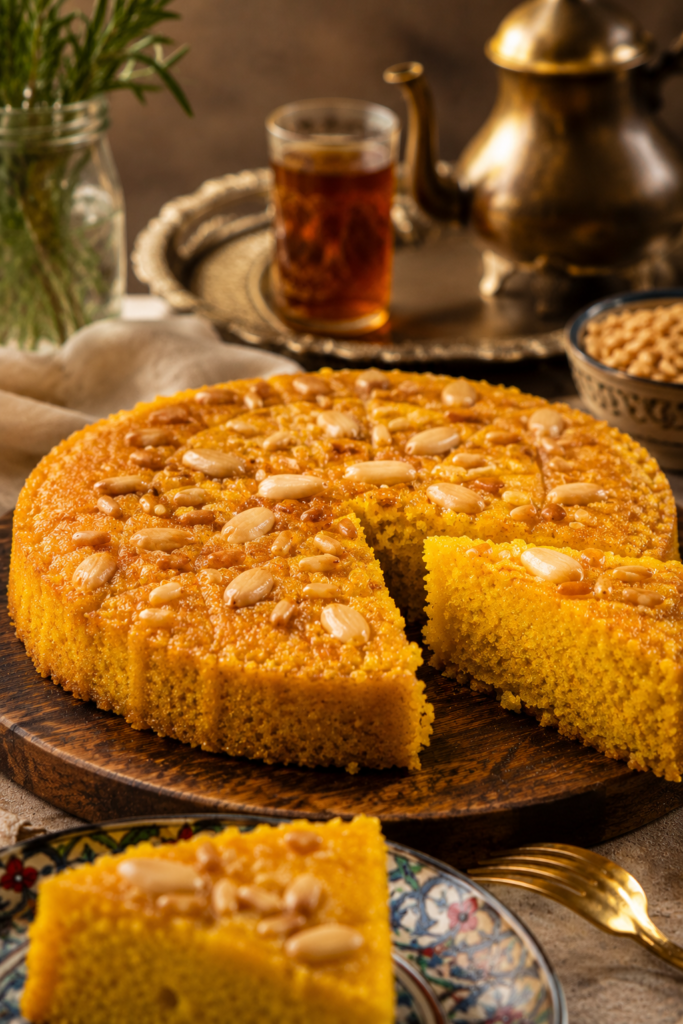
A turmeric-and-semolina cake, bright yellow, lightly spiced with anise, often topped with pine nuts or almonds. It’s less sweet than most cakes on this list and works as well alongside coffee as it does as a standalone dessert.
Why it’s underrated: turmeric is treated almost exclusively as a savory spice in most Western kitchens. Sfouf is a clear demonstration that it works beautifully in sweet applications too, especially paired with the nuttiness of semolina and tahini (often used in place of butter).
Dietary note: because it traditionally uses oil and tahini rather than butter, sfouf is naturally dairy-free, making it one of the easier desserts on this list to adapt for guests with dietary restrictions without losing flavor or texture.
A Few Honest Notes on Sourcing Ingredients
Several ingredients here — glutinous rice flour, ube halaya, kataifi, tahini, sago pearls, black sesame paste — used to require a special trip to a specific ethnic grocery store. Increasingly, larger supermarkets stock at least some of these, and online specialty retailers carry all of them shelf-stable with reasonable shipping. If a recipe calls for something unfamiliar, search for it by name plus “where to buy” before assuming you need a substitute — the real thing is usually more accessible than it looks.
When a true substitution is necessary, the notes above flag the closest workable swap. Avoid substituting glutinous rice flour with regular rice flour, though — the chewy texture in mochi and sticky rice dishes depends specifically on the higher amylopectin content of glutinous rice, and regular rice flour will not replicate it.
Frequently Asked Questions
Do I need special equipment for any of these recipes? Mostly no. An ice cream maker helps for kulfi and mochi ice cream but isn’t required — both can be frozen in molds without churning, with a slightly denser final texture. Everything else uses standard baking equipment: oven, mixing bowls, a saucepan.
Which of these is best for a beginner baker? Basque burnt cheesecake and basbousa are the most forgiving — both are hard to ruin and don’t require precise technique like whipped meringue or laminated dough.
Are any of these desserts naturally gluten-free? Mango sticky rice, kulfi, mango pomelo sago, and mochi ice cream are naturally gluten-free, since they’re built on rice, milk, or fruit bases rather than wheat flour. Always double-check packaged ingredients like coconut milk for cross-contamination if that matters for your situation.
Can I make any of these dairy-free? Mango sticky rice and sfouf are naturally dairy-free. Tres leches, kulfi, and Basque cheesecake can be adapted with coconut milk or cashew cream substitutes, though the texture will shift slightly — coconut milk in particular adds its own flavor that some people love and others find too dominant.
What’s the most time-efficient dessert on this list? Mango sticky rice and black sesame ice cream (if you have an ice cream maker) are both under 45 minutes of active effort. Castella cake and knafeh are the bigger time investments, mostly due to resting and soaking times rather than active labor.
Is ube the same as taro? No — they’re frequently confused but are different plants. Ube (purple yam) has a deep purple color and a sweet, slightly vanilla-like flavor. Taro is paler in color (more grey-lavender) and earthier, less sweet on its own. Recipes calling for ube halaya specifically should not be substituted with taro paste; the flavor profile is noticeably different.
Why do so many of these recipes use condensed or evaporated milk instead of fresh cream? In many of the originating regions, fresh dairy was historically less accessible or shelf-stable than canned milk, so recipes developed around condensed and evaporated milk as the dairy base. That history is also why these desserts tend to be sweeter and richer than their fresh-cream counterparts — condensed milk is roughly 40-45% sugar by volume.
Where to Go From Here
The desserts on this list share one thing in common: none of them are difficult because they’re foreign. They’re difficult because they’re unfamiliar, and unfamiliarity disappears the second you make something once. Pick one — Basque cheesecake if you want a guaranteed win on the first try, mango sticky rice if you want maximum payoff for minimum effort — and the rest of the list stops looking intimidating almost immediately.
What’s a dessert from your own background that you think deserves wider attention outside its home country? That’s usually where the best baking discoveries start.