
22 Dessert Bar Recipes That Actually Live Up to the Hype (Tested and Ranked)
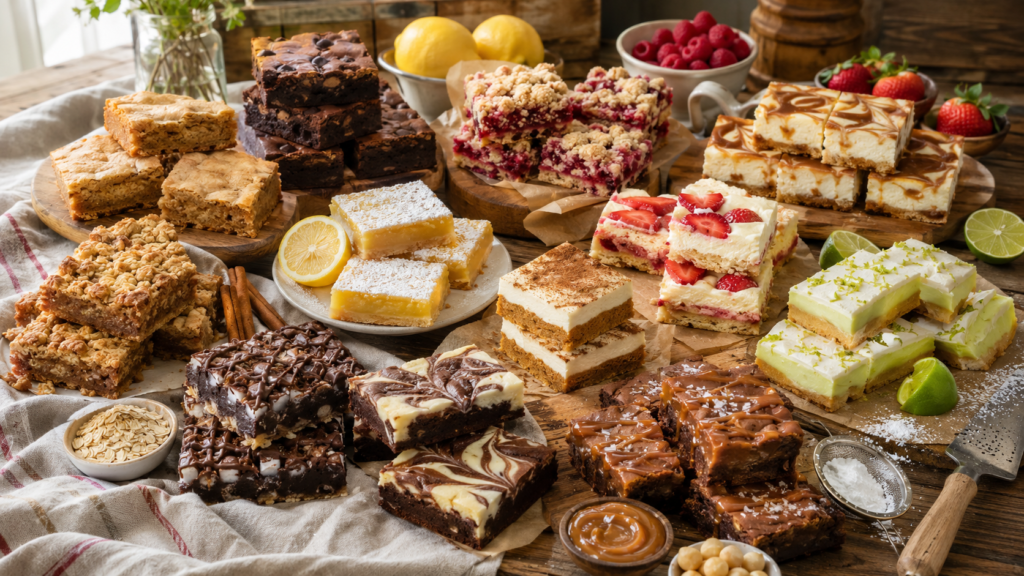
If you’ve ever left a batch of blondies in the oven four minutes too long because you got distracted by a phone call, you already understand the central tension of bar desserts: they look forgiving, but they’re not. A cookie survives a little inattention. A cake has margin built in. A dessert bar sits in a narrow window between “underbaked middle” and “hockey puck,” and that window is often under ten minutes.
That’s actually good news. Once you understand the handful of variables that matter pan size, fat-to-flour ratio, and how long you leave the pan alone after pulling it from the oven you can make almost any bar recipe reliably. This list covers 22 recipes across seven families: blondies, brownies, fruit bars, crumb bars, cheesecake bars, no-bake bars, and holiday/specialty bars. Each one includes the pan size, bake time, the one mistake people make most often, and a note on how to store it.
A few ground rules before the recipes: “bars” means anything baked or set in a rectangular or square pan and cut into pieces so this list is wider than just brownies. And when a recipe says “line the pan with parchment, leave overhang on two sides,” do it. It’s the single easiest change that makes bars go from “scoop out with a spatula” to “lift out and cut clean squares.”
Quick Comparison: Which Bar Family Fits Your Situation
| Family | Bake Time | Skill Level | Make-Ahead Friendly | Best For |
|---|---|---|---|---|
| Blondies | 25–30 min | Beginner | Yes, 4–5 days | Potlucks, lunchboxes |
| Brownies | 25–35 min | Beginner | Yes, freezes well | Chocolate cravings |
| Crumb bars | 35–45 min | Beginner | Yes, 3–4 days | Breakfast/brunch tables |
| Fruit bars | 40–50 min | Intermediate | Yes, 4 days refrigerated | Summer entertaining |
| Cheesecake bars | 35–45 min + chill | Intermediate | Best made a day ahead | Dinner parties |
| No-bake bars | 0 min bake, 2+ hr set | Beginner | Yes, 1–2 weeks | Hot weather, no oven needed |
| Holiday/specialty | Varies | Intermediate–Advanced | Yes, most freeze well | Cookie trays, gifting |
Blondies: The Underrated Base Recipe
1. Classic Brown Butter Blondies
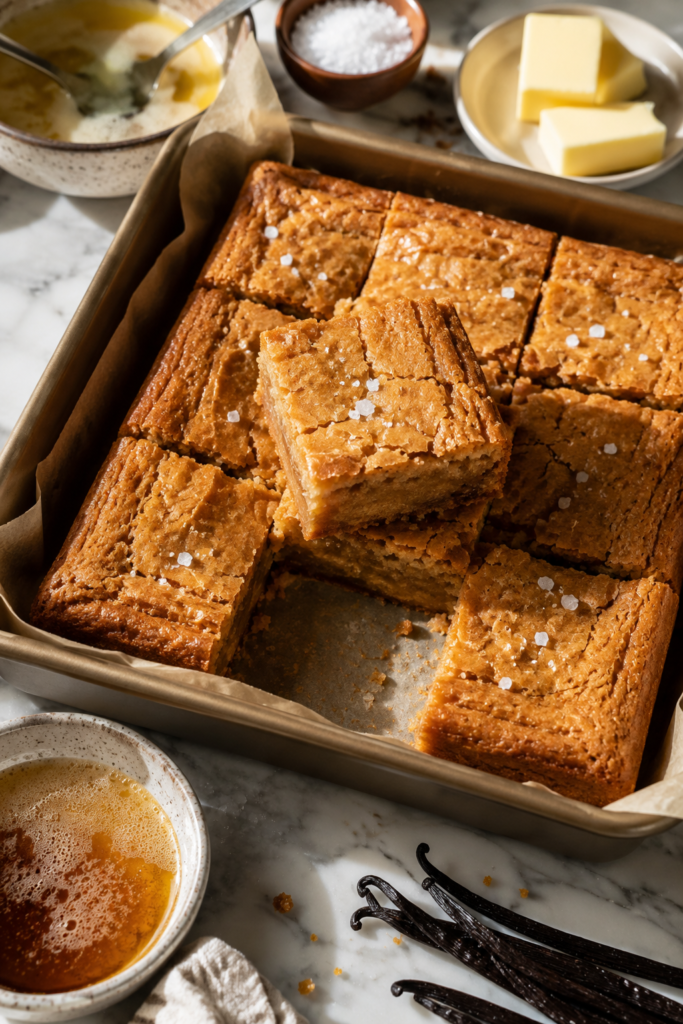
Brown the butter first — it’s the difference between “fine” and “why does this taste like toffee.” Use an 8×8 pan, bake at 350°F for 28–32 minutes, and pull it when the edges pull slightly from the pan but the center still looks a touch underset. It firms up as it cools. The most common mistake here is skipping the cooling time entirely; blondies need a full hour at room temperature before cutting, or the center smears.
2. Brown Sugar Espresso Blondies
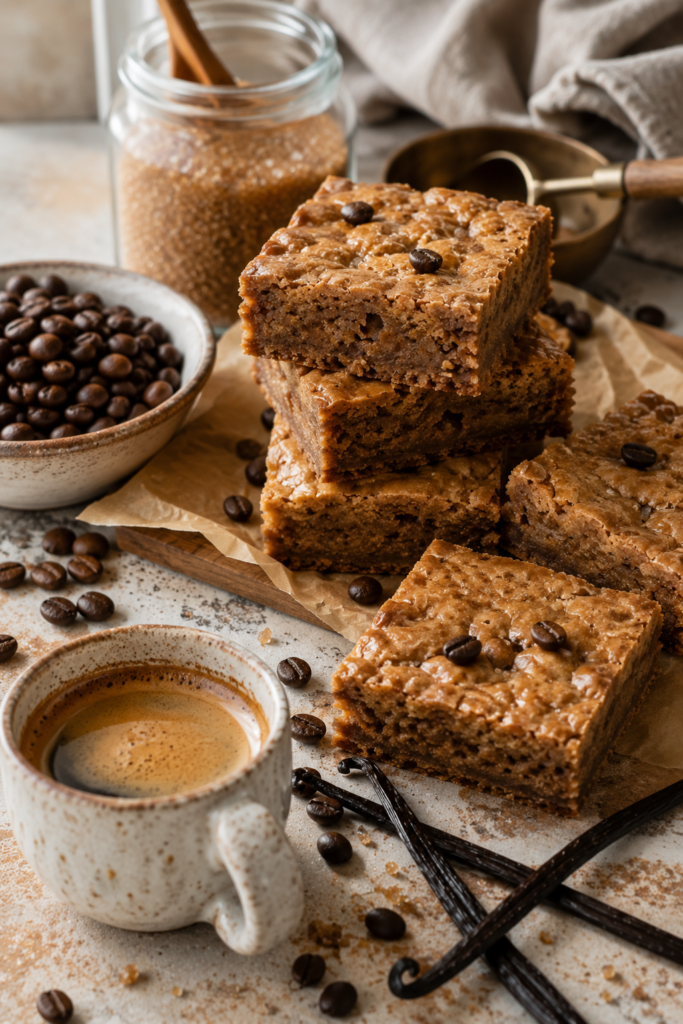
Add 1 tablespoon of instant espresso powder to the dry ingredients. It doesn’t make these taste like coffee — it deepens the caramel notes, the same trick bakers use in chocolate cake. Same pan, same bake time as above.
3. White Chocolate Macadamia Blondies
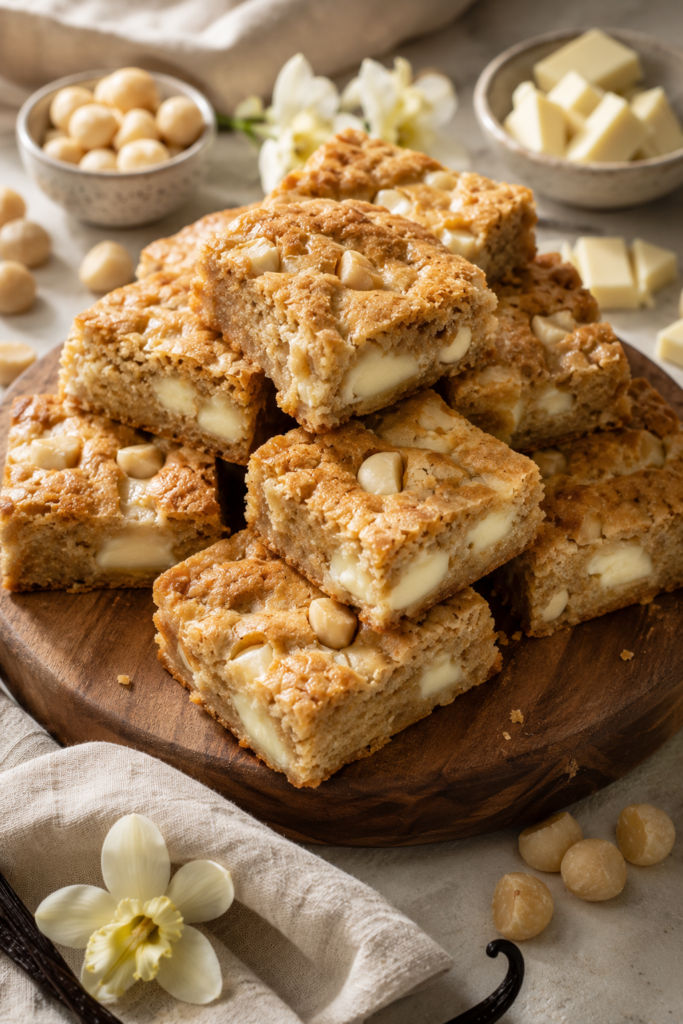
Fold in a full cup of roughly chopped macadamias and white chocolate chunks (not chips — chunks melt into pools instead of staying rigid). These are sweeter, so a lot of people cut the sugar by two tablespoons; I don’t think it’s necessary, but it’s a reasonable adjustment if you prefer less sweetness.
4. Peanut Butter Blondies
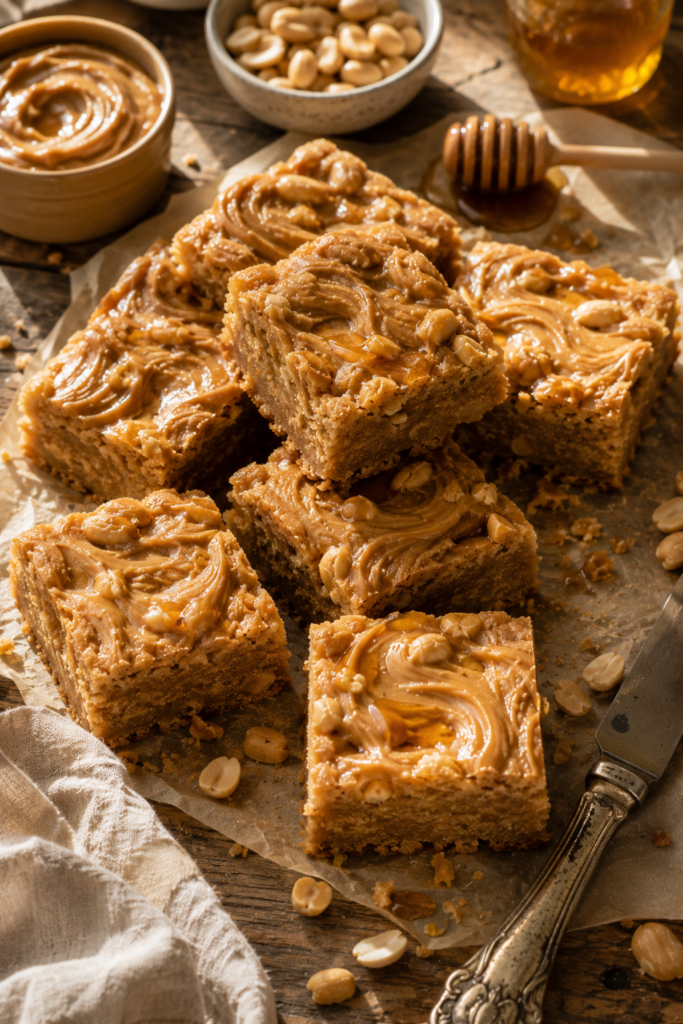
Swap 3 tablespoons of the butter for natural peanut butter. Natural peanut butter (the kind that separates) works better than the emulsified kind because it doesn’t add extra sugar or stabilizers that flatten the texture.
Brownies: Fudgy vs. Cakey and Why It Matters
The fudgy-versus-cakey debate comes down to one ratio: the amount of flour relative to fat and eggs. More flour and a leavener (baking powder) pushes toward cakey. Less flour, more butter and chocolate, pushes toward fudgy. Once you see it as a ratio rather than “some recipes are just better,” you can adjust any brownie recipe toward your preference.
5. One-Bowl Fudgy Brownies
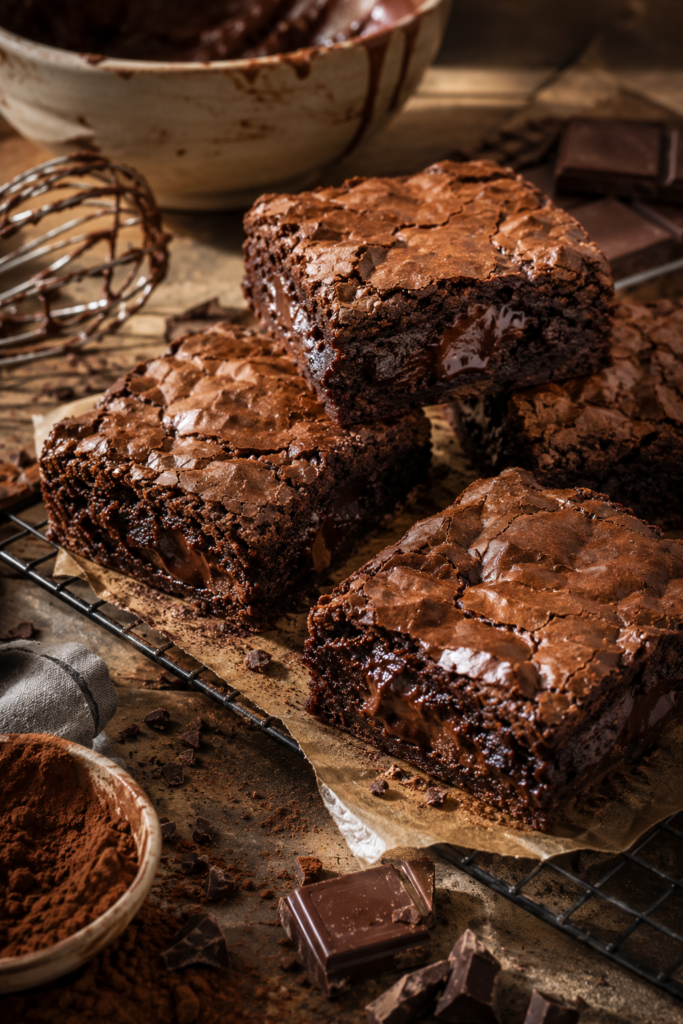
Melt butter and chocolate together, whisk in sugar and eggs off heat, fold in flour and cocoa last, and stop mixing the moment the flour disappears. Overmixing develops gluten, which is what turns fudgy brownies cakey by accident. 9×9 pan, 350°F, 28–32 minutes.
6. Cakey Cocoa Brownies
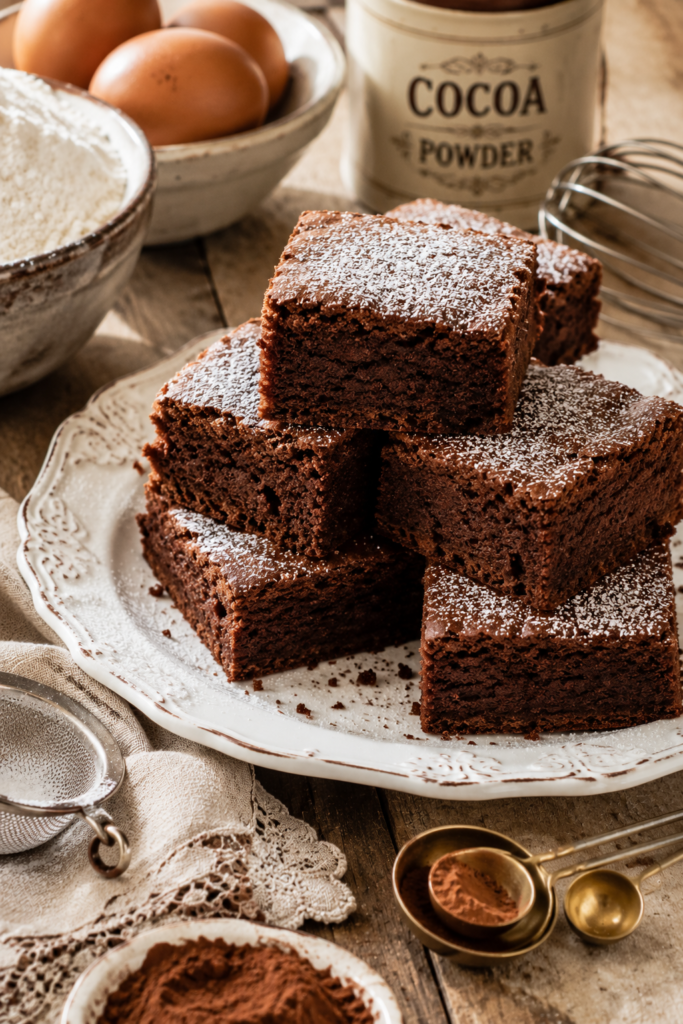
Add ½ teaspoon of baking powder and an extra egg to a standard brownie base. Bake at 350°F for 30–35 minutes in a 9×9 pan. These rise more and have a lighter crumb — closer to chocolate cake cut into squares.
7. Salted Caramel Brownies
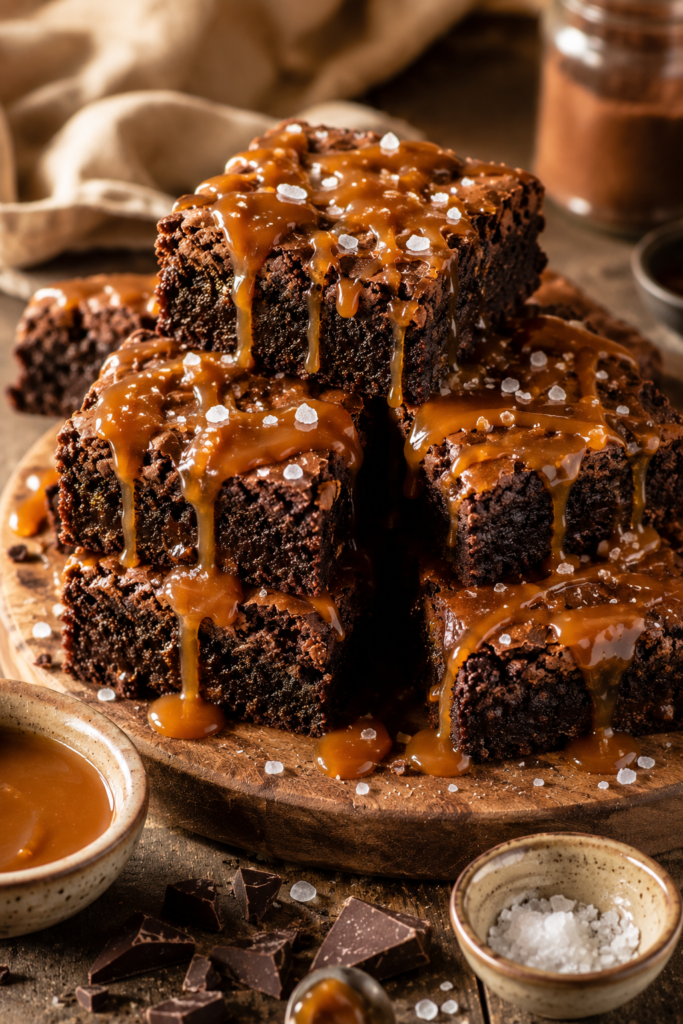
Swirl in ⅓ cup of thick caramel sauce before baking, then sprinkle flaky salt on top the moment they come out of the oven (not before — salt sprinkled pre-bake tends to sink in and disappear). This is one of the few bars where I’d argue the topping matters more than the base.
8. Cream Cheese Swirl Brownies
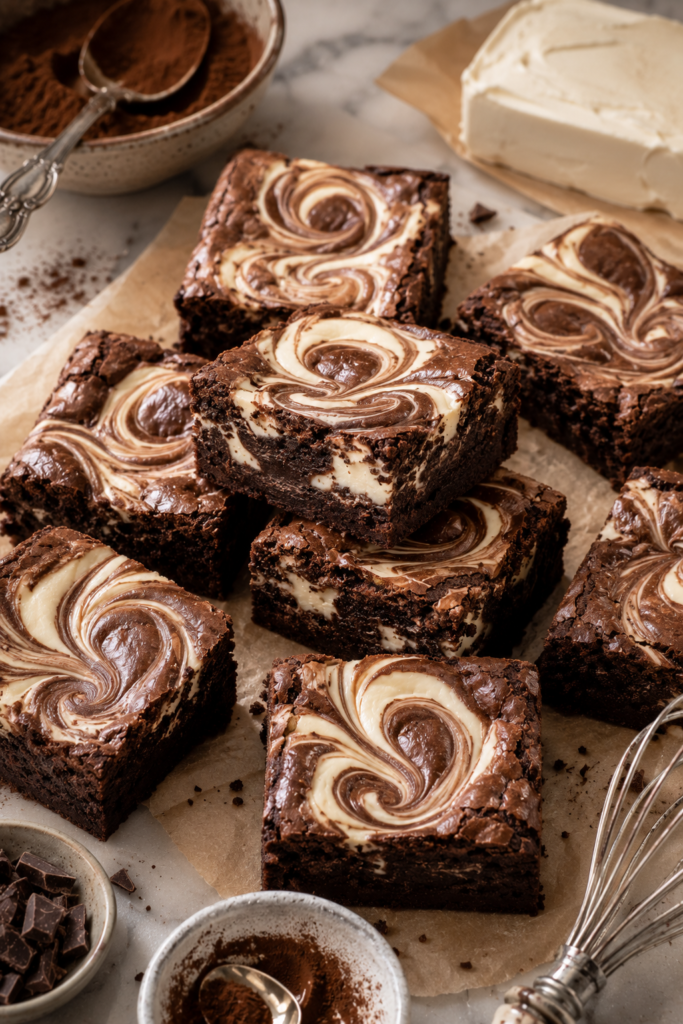
Beat 8 oz cream cheese with ¼ cup sugar and one egg, dollop onto brownie batter, and swirl with a knife in a figure-eight pattern — don’t overmix or the swirl disappears into solid brown. Bake 5 minutes longer than a standard brownie recipe to account for the added moisture.
9. Mint Chocolate Brownies
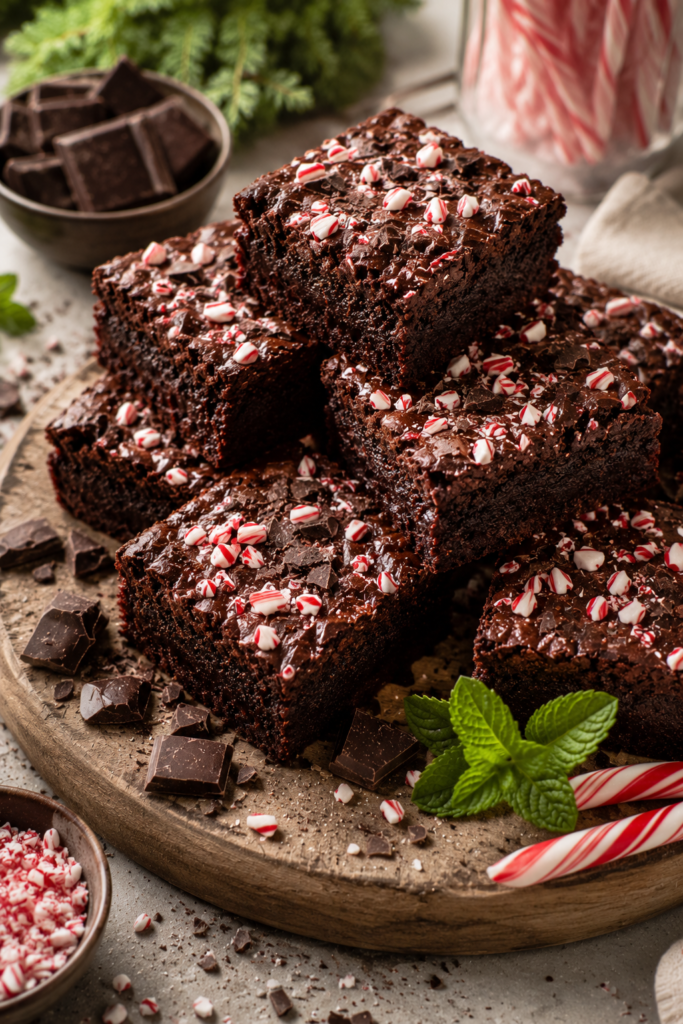
A few drops of peppermint extract (not mint extract — peppermint is sharper and reads as “chocolate mint,” while spearmint-based mint extract reads more like toothpaste) folded into the batter, topped with crushed candy canes around the holidays or thin mints the rest of the year.
Crumb Bars: The Brunch Table Workhorse
10. Classic Oat Crumb Bars
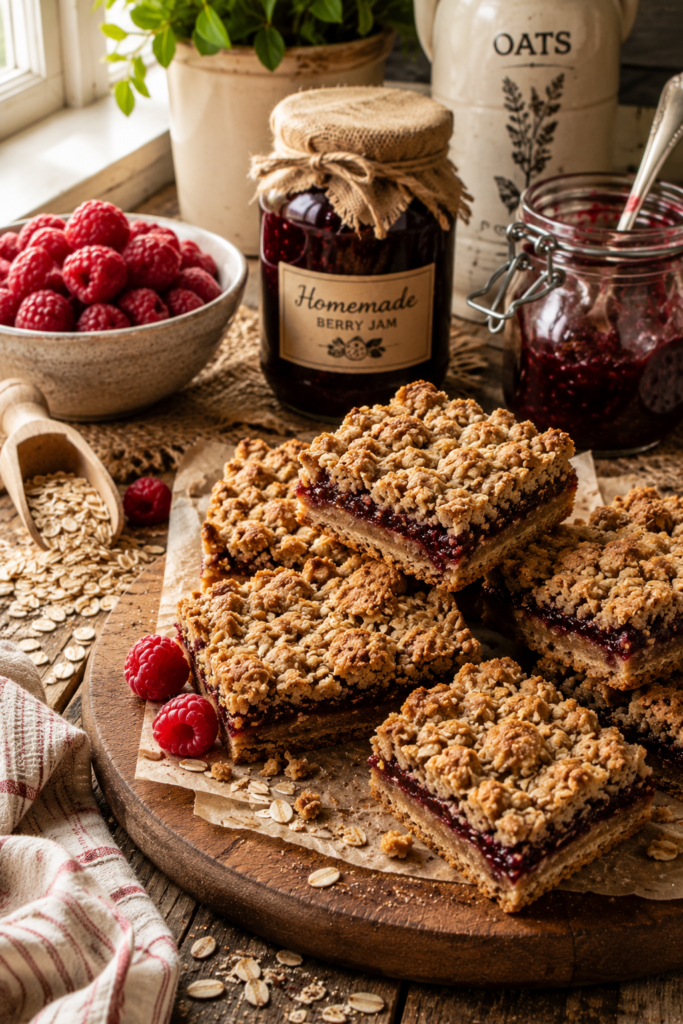
A shortbread-oat base pressed into the pan, a thin fruit or jam layer, then the same mixture crumbled on top. The trick: press the bottom layer firmly (it needs to hold together when cut), but leave the top layer loose and clumpy (it needs texture, not density). 9×13 pan, 350°F, 35–40 minutes.
11. Raspberry Almond Crumb Bars
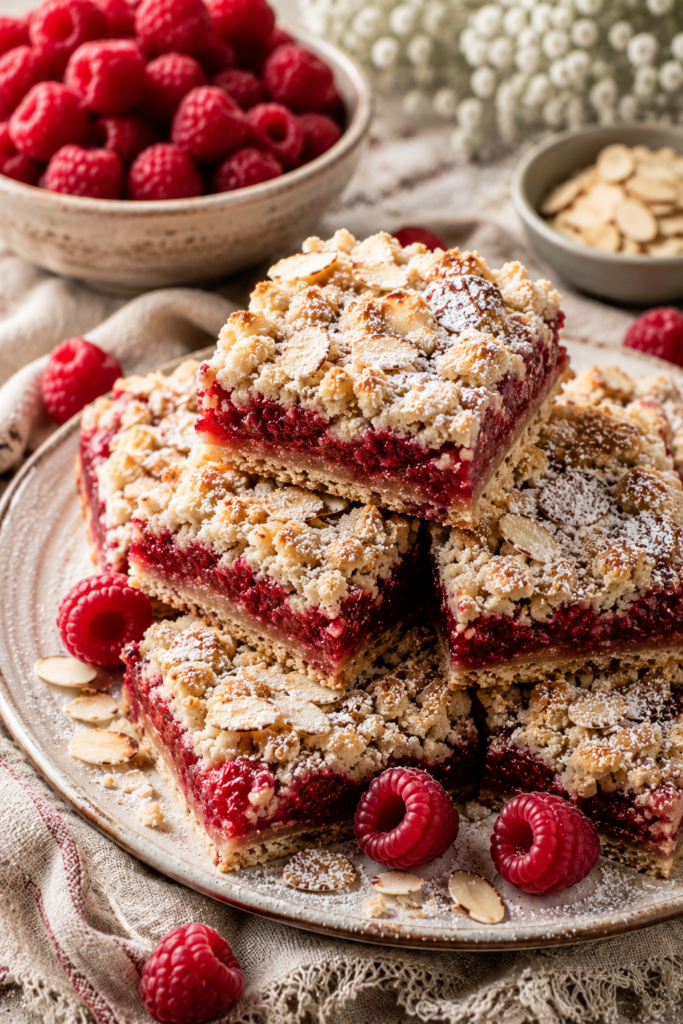
Swap the jam for good raspberry preserves, and add sliced almonds to the crumb topping. Almond extract (¼ teaspoon) in the crust amplifies the raspberry in a way vanilla doesn’t.
12. Apple Cinnamon Crumb Bars
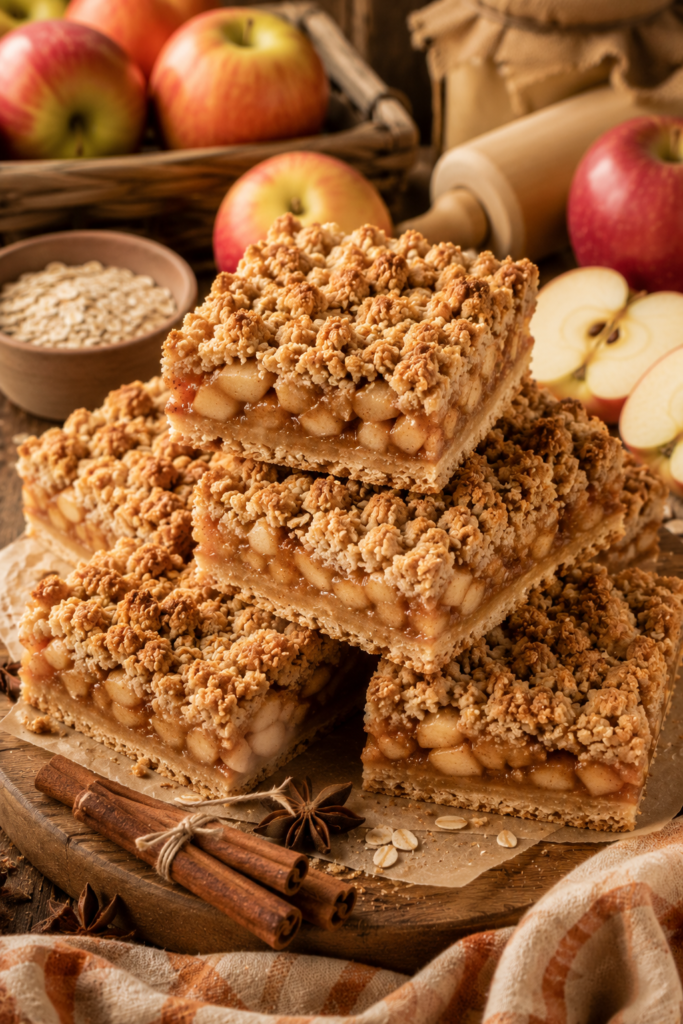
Thinly sliced apples tossed in cinnamon and a little cornstarch (to absorb released moisture) sit between the crust and crumb layers. Bake 5–10 minutes longer than the raspberry version since the apples need to soften.
13. Lemon Crumb Bars
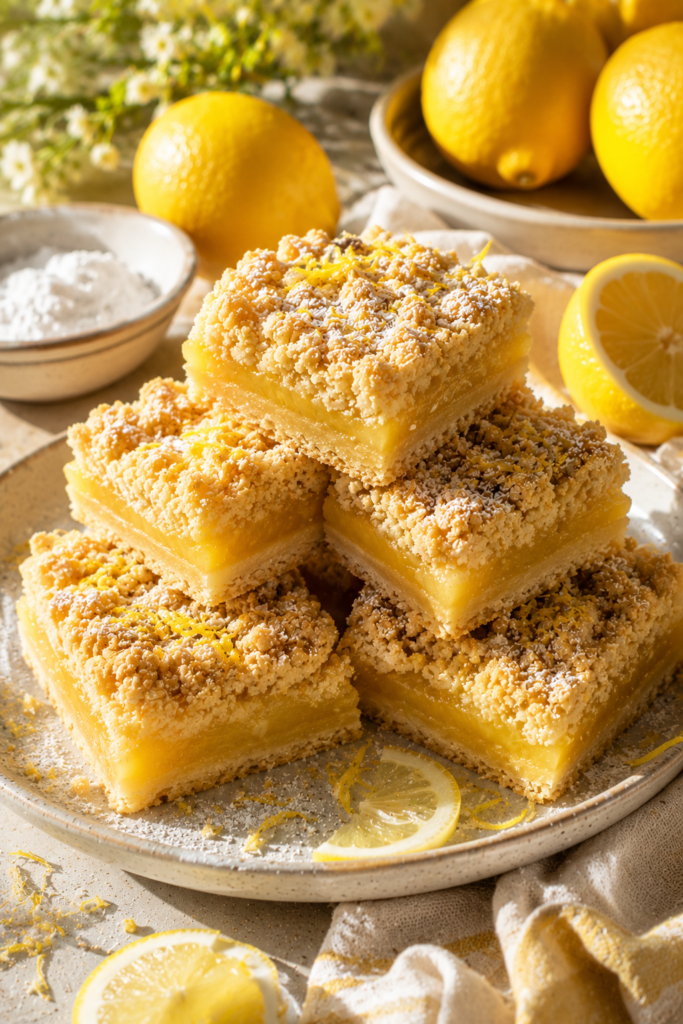
A thin layer of lemon curd (homemade or good-quality store-bought) instead of jam. These are the most polarizing bar on this list — people either love the tang against the sweet crumb or find it too sharp. If you’re unsure, start with a thinner curd layer than the recipe suggests and adjust next time.
Fruit Bars: Beyond Lemon Squares
14. Classic Lemon Bars
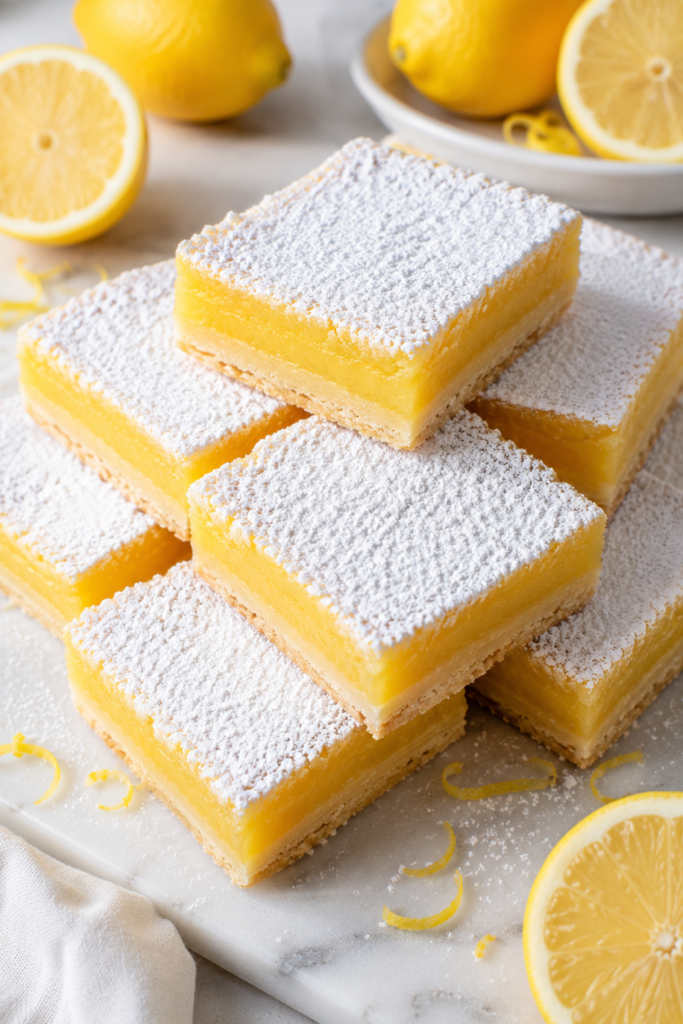
The gold standard: a shortbread crust baked first and cooled slightly, then a lemon curd filling poured on top and baked again until just set (it should have a very slight jiggle in the center, like a cheesecake). 9×13 pan, crust at 350°F for 15–18 minutes, filling at 325°F for 20–22 minutes. The most common mistake is pouring the filling onto a piping-hot crust, which can cause it to bake unevenly.
15. Key Lime Bars
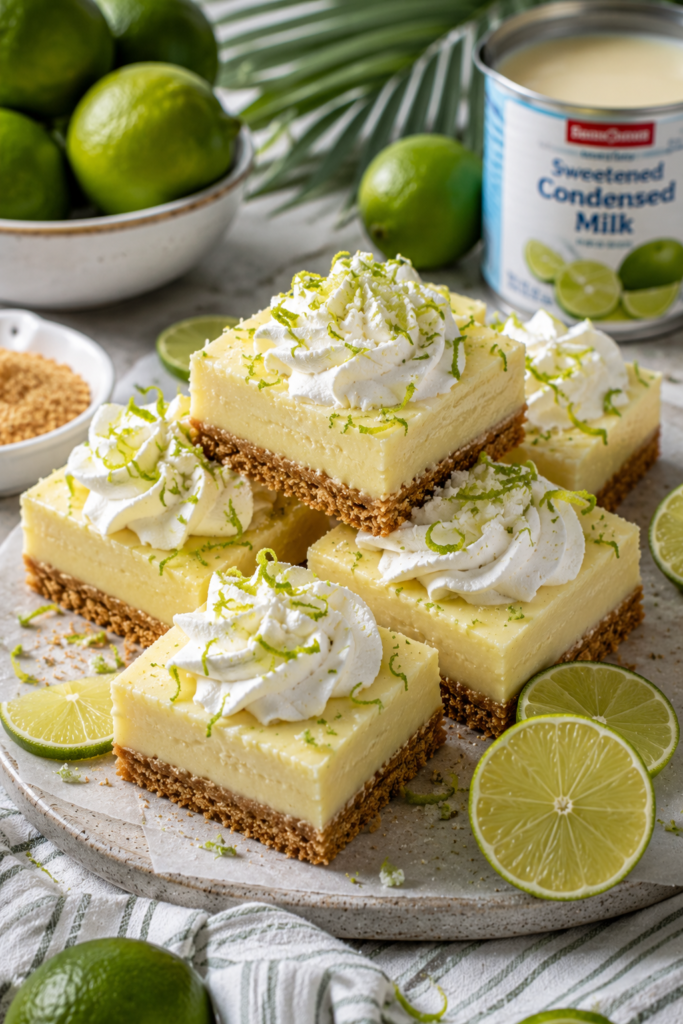
Same structure as lemon bars, but the filling uses sweetened condensed milk and key lime juice instead of a cooked curd — closer to a key lime pie filling. This version is more forgiving for beginners because the condensed milk base is nearly impossible to overbake into rubberiness.
16. Strawberry Shortcake Bars
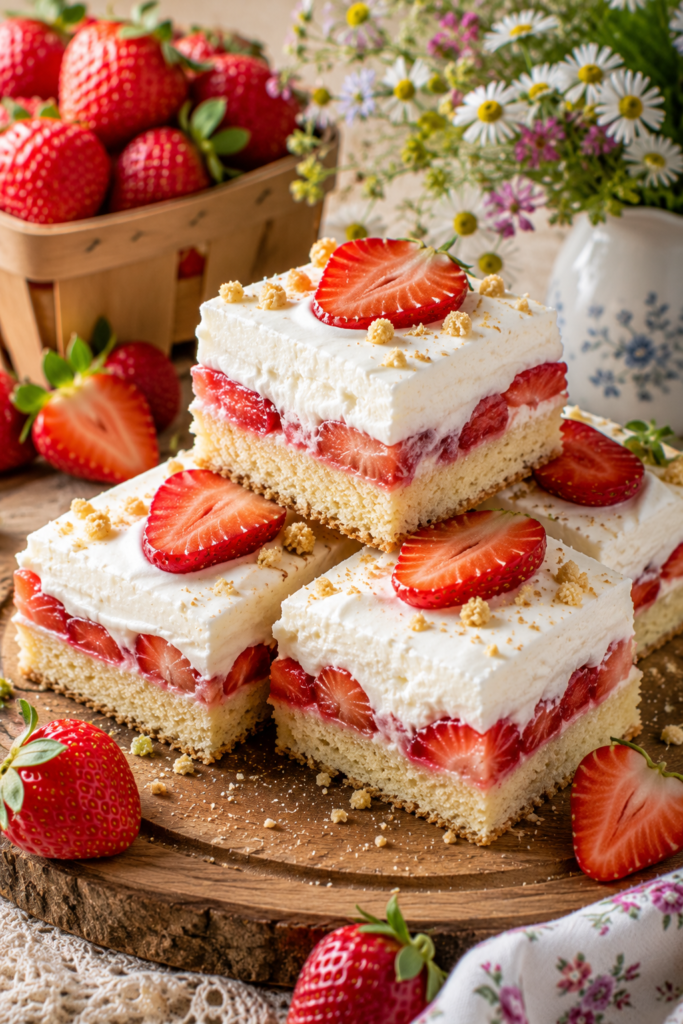
A crumbly shortcake-style base, a layer of macerated strawberries (tossed with sugar and left 20 minutes to release juice), and a light glaze on top. Best made and eaten within a day since the strawberry layer softens the base over time.
17. Cranberry Orange Bars
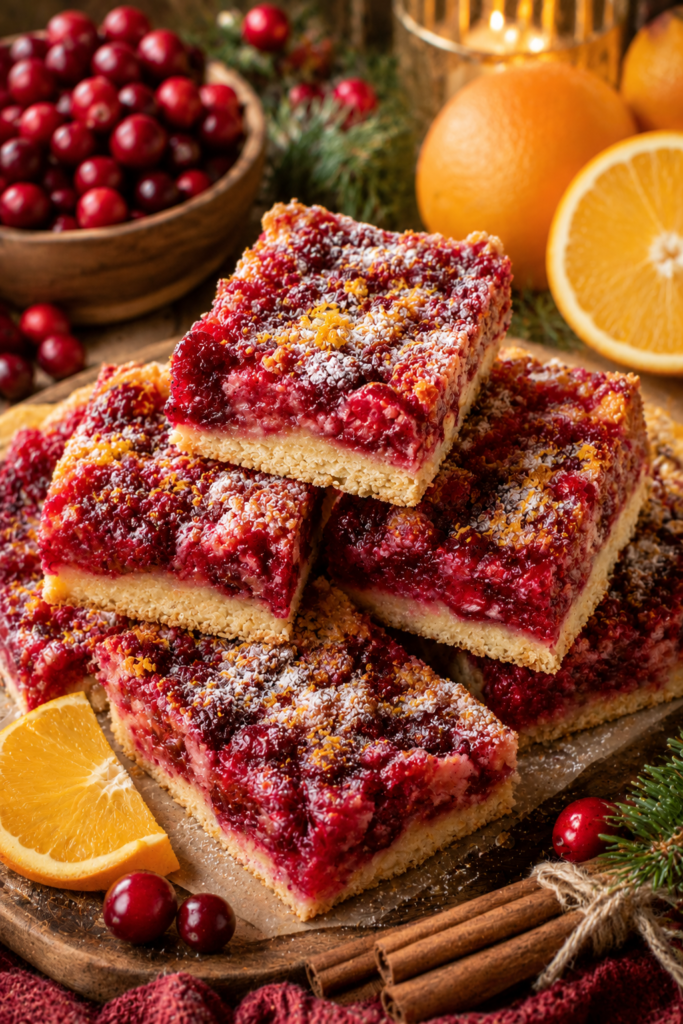
A shortbread base with orange zest, topped with a tart cranberry layer. These read as “holiday” but work well any time citrus is in season.
Cheesecake Bars: All the Flavor, None of the Springform Anxiety
18. New York-Style Cheesecake Bars
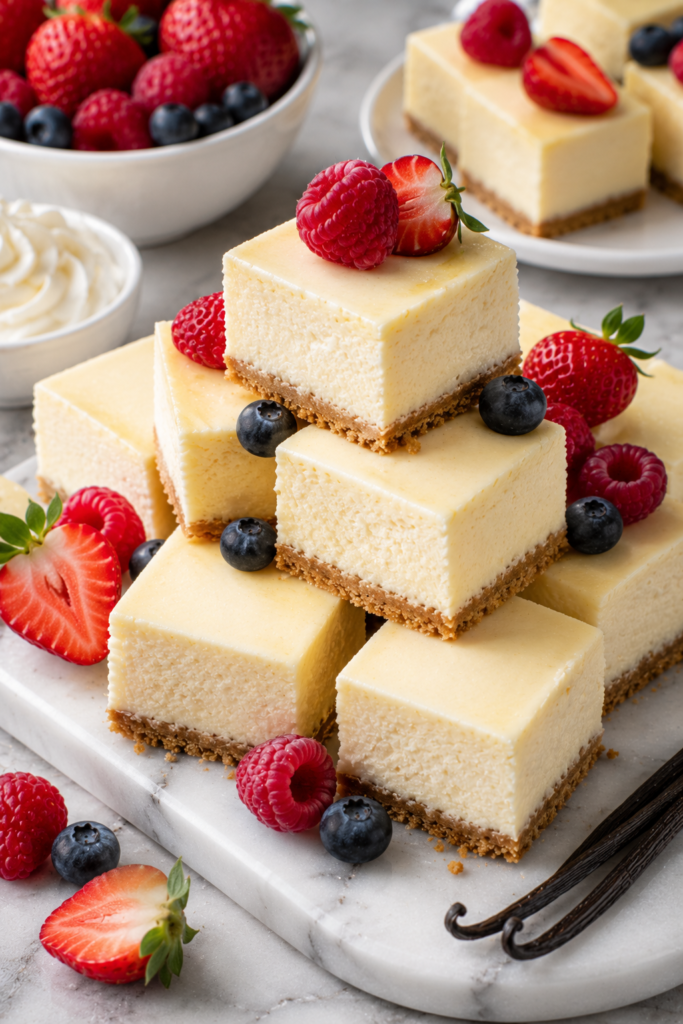
A graham cracker crust and a dense, tangy cheesecake filling baked in a water bath (or with a pan of hot water on the rack below, which achieves a similar humidity without the risk of a leaking springform). The single biggest cause of cracked cheesecake bars is opening the oven door in the last 15 minutes — resist it.
19. Pumpkin Cheesecake Bars
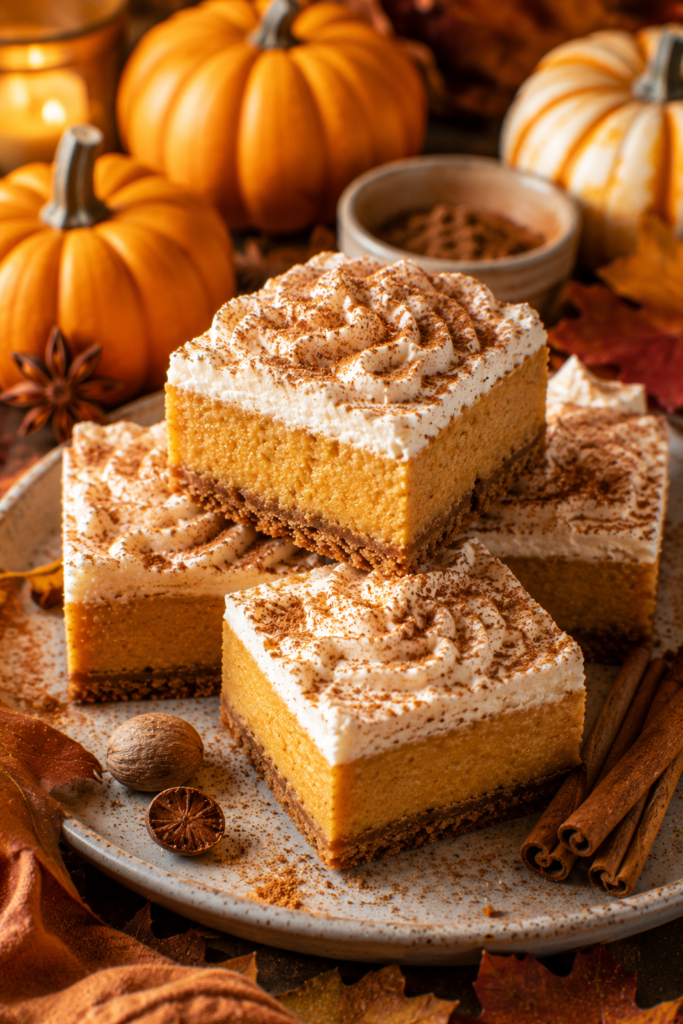
Half the cheesecake filling replaced with pumpkin puree and warm spices. These bake slightly faster than the classic version because the pumpkin adds moisture that sets a bit sooner.
20. Biscoff Cheesecake Bars
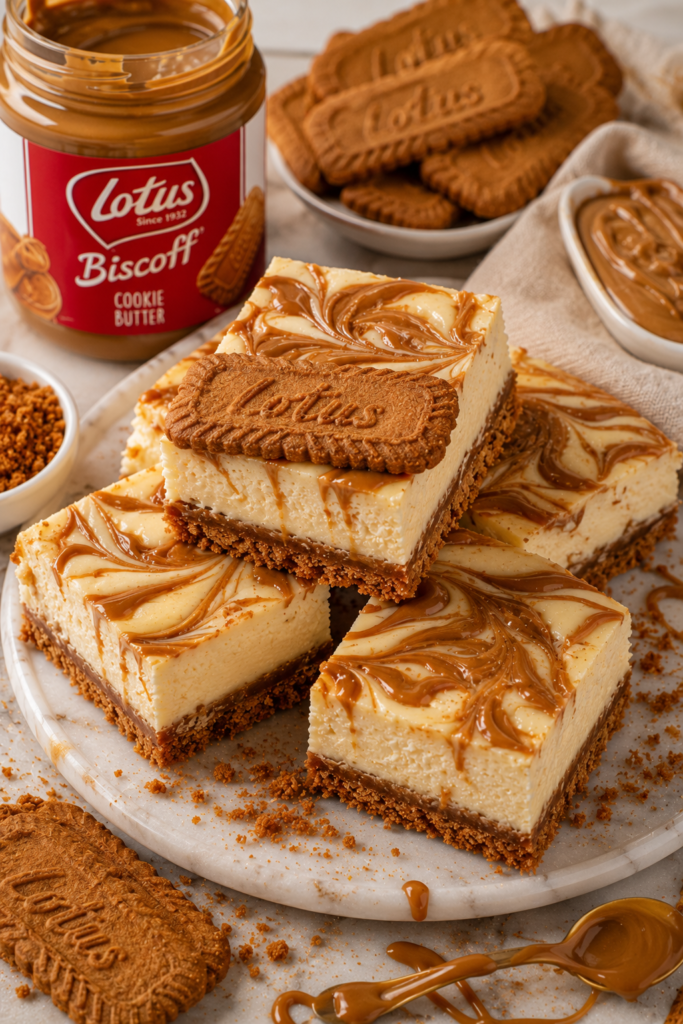
A crushed Biscoff cookie crust, plain cheesecake filling, and a swirl of melted Biscoff spread on top. This one consistently gets the most requests for the recipe when I bring it anywhere.
No-Bake Bars: For When the Oven Isn’t an Option
21. No-Bake Peanut Butter Oat Bars
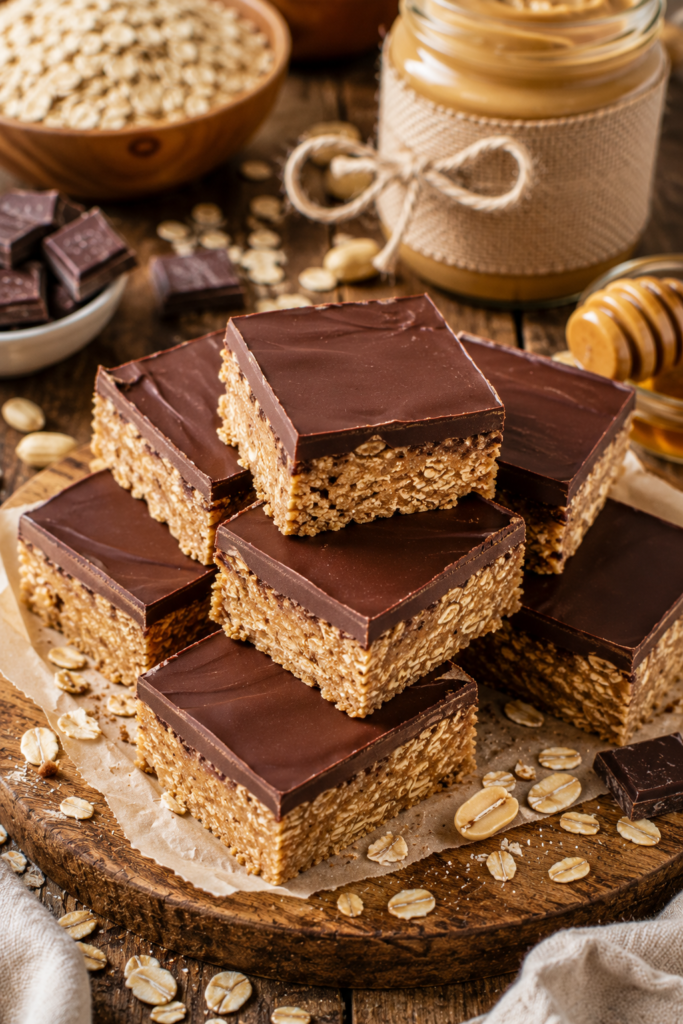
Oats, peanut butter, honey, and a touch of melted chocolate on top, pressed into a lined pan and refrigerated for at least two hours. No oven, no eggs, and they hold up well for travel or lunchboxes.
22. No-Bake Chocolate Coconut Bars
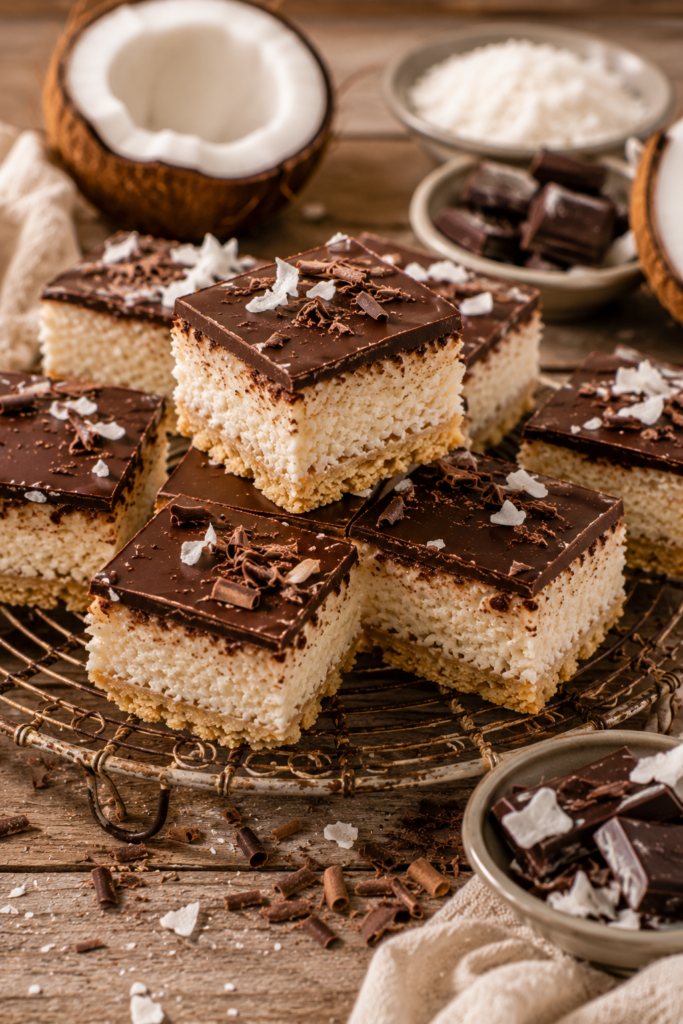
A shortbread-crumb base pressed into the pan, a sweetened coconut layer, and a chocolate ganache poured on top and chilled until firm. These are essentially a homemade take on a candy-bar-style treat, and they’re one of the few bars on this list that genuinely improve after a day in the fridge, as the layers meld together.
Storage: The Part Everyone Skips
Most of these bars fall into one of three storage categories, and getting it wrong is the fastest way to ruin good work:
- Room temperature, airtight container, 3–5 days: blondies, brownies, crumb bars, no-bake oat bars
- Refrigerated, 4–5 days: anything with cream cheese, fresh fruit, or curd — cheesecake bars, lemon bars, strawberry shortcake bars
- Freezer, up to 3 months: brownies and blondies freeze exceptionally well if wrapped individually in plastic wrap before going into a freezer bag; cheesecake bars freeze well too but should thaw overnight in the fridge, not on the counter, to avoid condensation on the surface
Frequently Asked Questions
Why did my bars sink in the middle? Usually underbaking, but it can also mean too much leavening or opening the oven door early. Test with a toothpick in the center, not just the edges — bar desserts bake unevenly, and the center is always the last part to set.
Can I cut bars while they’re still warm? You can, but you’ll get ragged edges and a smeared knife. Cheesecake and curd-based bars especially need at least 2 hours of cooling (ideally a full chill in the fridge) before cutting cleanly.
Do I really need to line the pan with parchment? For anything with a soft or sticky filling — cheesecake, lemon bars, fruit bars — yes. It’s the difference between lifting the whole slab out to cut on a board versus digging pieces out of the pan.
Why do some recipes call for a water bath and others don’t? Water baths regulate oven heat around delicate custard-like fillings (cheesecake, some fruit bars) so they set gently instead of puffing and cracking. Denser bars like blondies and brownies don’t need this protection.
Can I halve or double these recipes? Halving works cleanly if you use a proportionally smaller pan (an 8×8 instead of 9×13, for example) and check for doneness a few minutes early. Doubling in one large pan is trickier — the bake time doesn’t scale linearly with volume, so you’re better off using two pans than one giant one.
What’s the easiest recipe on this list for a first-time baker? The one-bowl fudgy brownies or the no-bake peanut butter oat bars. Both have very few steps where something can go wrong, and neither requires precise timing the way lemon bars or cheesecake bars do.
Why do my crumb bars turn out too crumbly to hold together? The bottom layer needs enough melted butter to bind it — if it’s crumbling apart rather than cutting into clean pieces, the crust likely needs another tablespoon or two of butter next time, pressed firmly and evenly into the pan.
A Reasonable Place to Start
If you’re working through this list for the first time, start with the one-bowl fudgy brownies or the classic lemon bars. Both are forgiving on ingredients, teach you the core skills (fudgy brownies teach restraint in mixing; lemon bars teach the two-stage bake), and both scale up easily for a crowd. From there, the crumb bar and cheesecake bar families are natural next steps once you’re comfortable reading doneness cues rather than just watching the clock.