
24 Summer Cheesecake Ideas That Actually Hold Up in the Heat
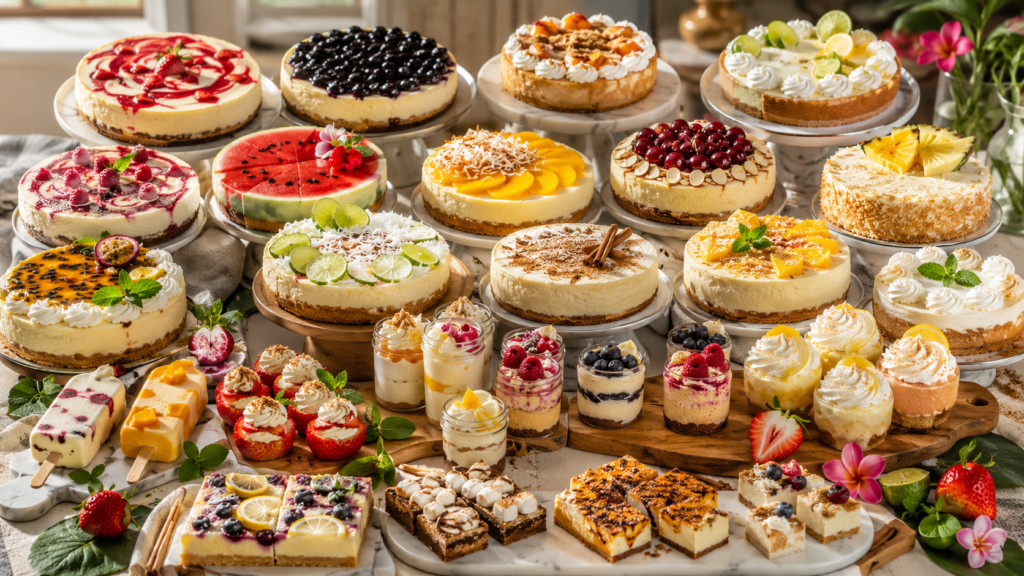
Cheesecake and summer have a complicated relationship. You want the cool, dense, tangy payoff of a good cheesecake, but nobody wants to run their oven for an hour in July, and nobody wants a slice that turns to soup the second it hits a warm patio table. The good news: cheesecake is one of the most forgiving desserts to adapt for hot weather, once you understand a few rules about fat ratio, chill time, and heat management.
This guide covers 24 real, testable summer cheesecake ideas variations full-size baked cheesecakes, no-bake versions, mini jars, bars, and a few unconventional formats like popsicles and stuffed fruit plus the technique details that actually matter: water baths, crust choices, common cracking and weeping problems, and how to keep a cheesecake stable at a summer party for hours instead of minutes.
Why Summer Changes How You Should Bake Cheesecake
Heat and humidity affect cheesecake in three specific ways. First, a warm kitchen makes butter-based crusts soften and slump before they set. Second, high ambient temperature slows down the chill time a cheesecake needs to firm up, which means recipes that say “chill 4 hours” may actually need 6–8 in a hot climate. Third, if you’re serving outdoors, a cheesecake with a soft or mousse-like texture will lose structure fast once it’s out of the fridge for more than 20–30 minutes.
None of this means you should avoid baked cheesecake in summer. It means you should lean toward recipes with a higher ratio of full-fat cream cheese to liquid, use a water bath for anything baked, and plan your serving window. No-bake cheesecakes solve the oven-heat problem but introduce a different one: they rely on gelatin, whipped cream, or a very high fat content to set, so they need longer, colder chill times and a cooler serving environment than baked versions.
The Baked vs. No-Bake Decision
Before getting into specific flavors, it helps to know when to reach for which method.
| Factor | Baked Cheesecake | No-Bake Cheesecake |
|---|---|---|
| Texture | Dense, custardy, slightly firm | Lighter, mousse-like or fudgy depending on recipe |
| Oven time | 45–60 min plus cooling | None |
| Setting agent | Eggs (structure from coagulation) | Gelatin, whipped cream, or cream cheese fat content |
| Chill time needed | 4–6 hours minimum, ideally overnight | 6–8 hours minimum, ideally overnight |
| Stability outdoors | Holds up 45–60 min at room temp | Softens faster, 20–30 min at room temp |
| Best for | Dinner parties, make-ahead slices | Potlucks, no-oven kitchens, kids helping bake |
| Common failure | Cracked top, overbaked edges | Doesn’t set, weepy texture |
Neither method is objectively better — they’re suited to different situations. A baked cheesecake is the right call if you want clean slices and don’t mind running the oven early in the morning before the kitchen heats up. A no-bake version is the right call for a potluck, a kitchen without air conditioning, or a dessert you want kids to help assemble without any oven involved.
Classic Fruit-Forward Cheesecakes
1. Strawberry Swirl Cheesecake
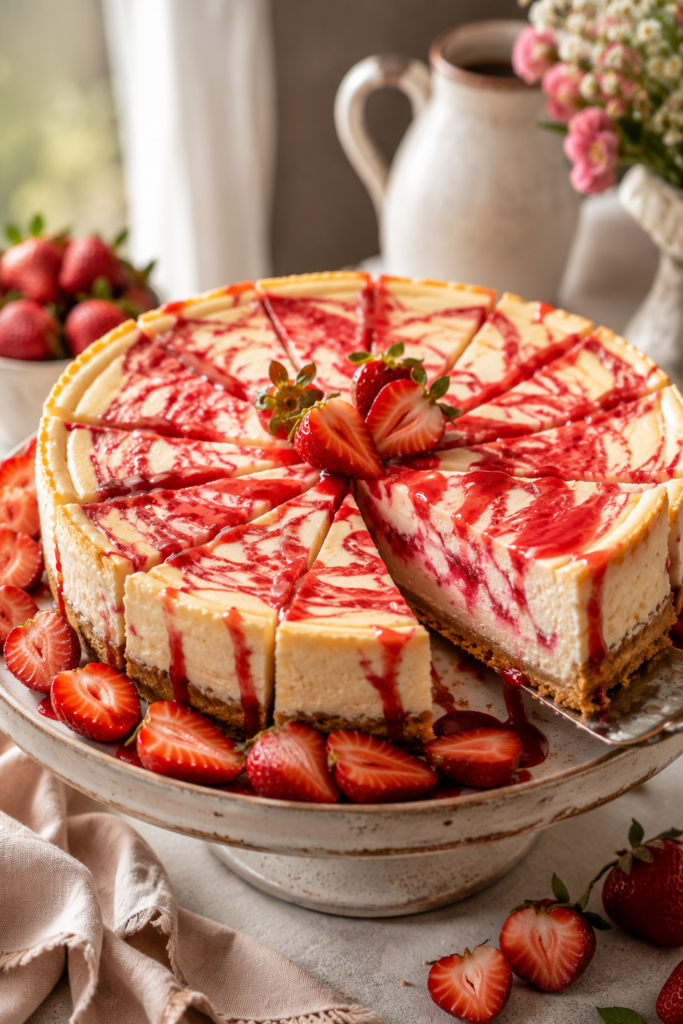
A baked vanilla cheesecake with a strawberry purée swirled through the batter before baking. Cook the purée down with a tablespoon of lemon juice and a little sugar first — using raw berries adds too much water and can create wet pockets.
2. Fresh Blueberry Compote Cheesecake
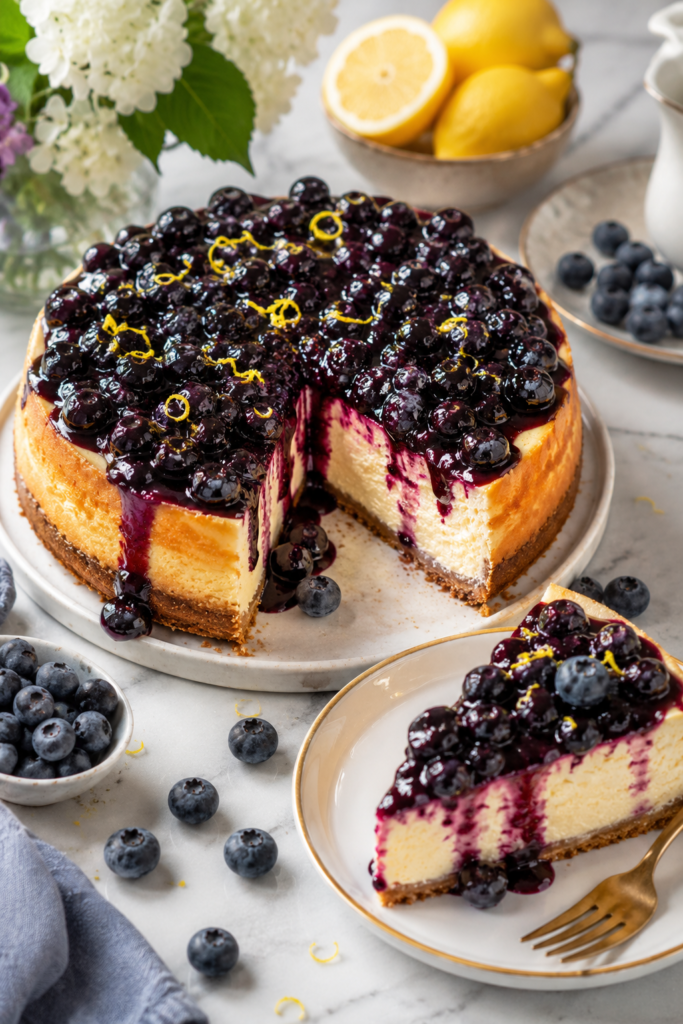
Top a plain baked cheesecake with a quick compote: blueberries, sugar, lemon zest, and a cornstarch slurry cooked until glossy. Spoon it on after the cheesecake has fully chilled, not before, so the crust doesn’t get soggy.
3. Peach Cobbler Cheesecake
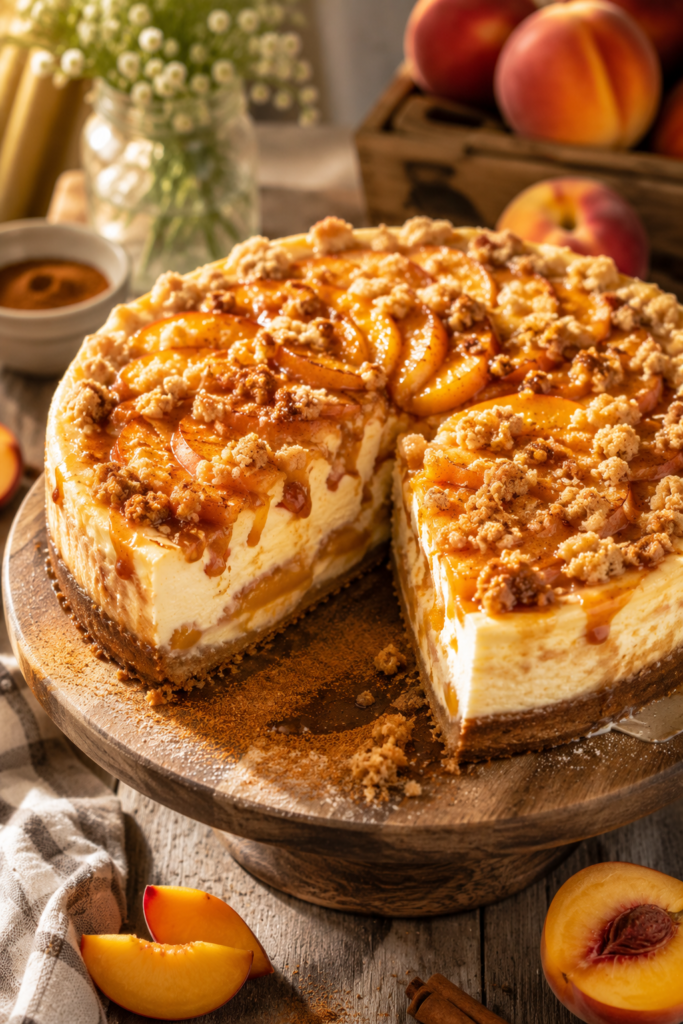
Layer a graham crust, a vanilla cheesecake filling, and a streusel-topped peach layer. This one benefits from a water bath since the fruit layer adds extra moisture that can otherwise cause cracking.
4. Key Lime Cheesecake
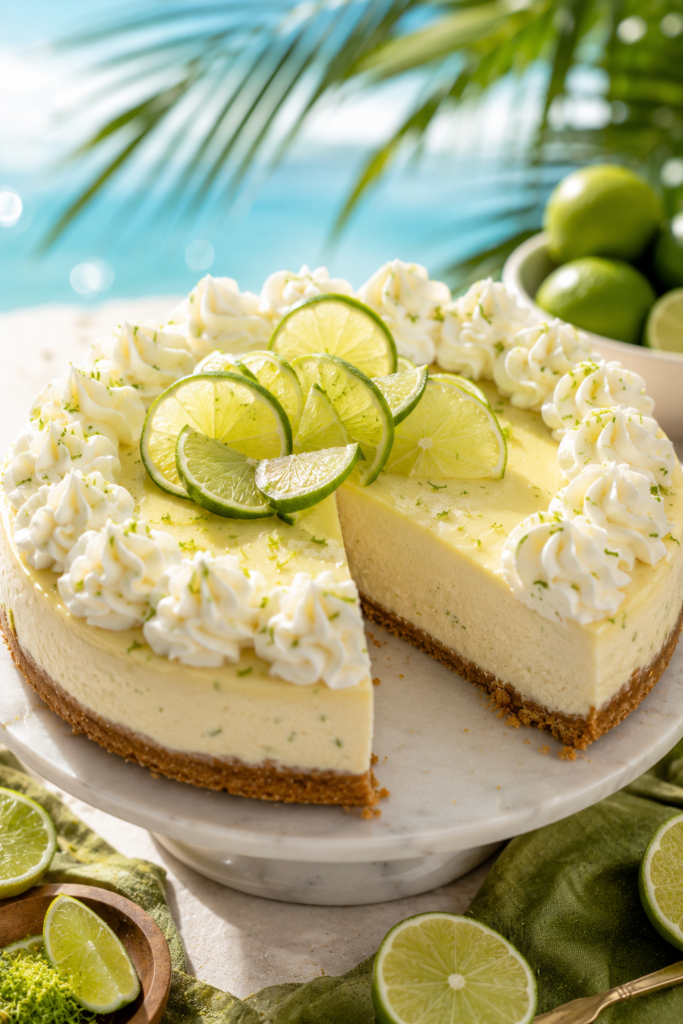
A Florida classic that translates well as a no-bake, since key lime’s acidity pairs naturally with a lighter, tangier filling. Use bottled key lime juice if fresh key limes aren’t available — regular limes work too, though the flavor is slightly less floral.
5. Raspberry Ripple No-Bake Cheesecake
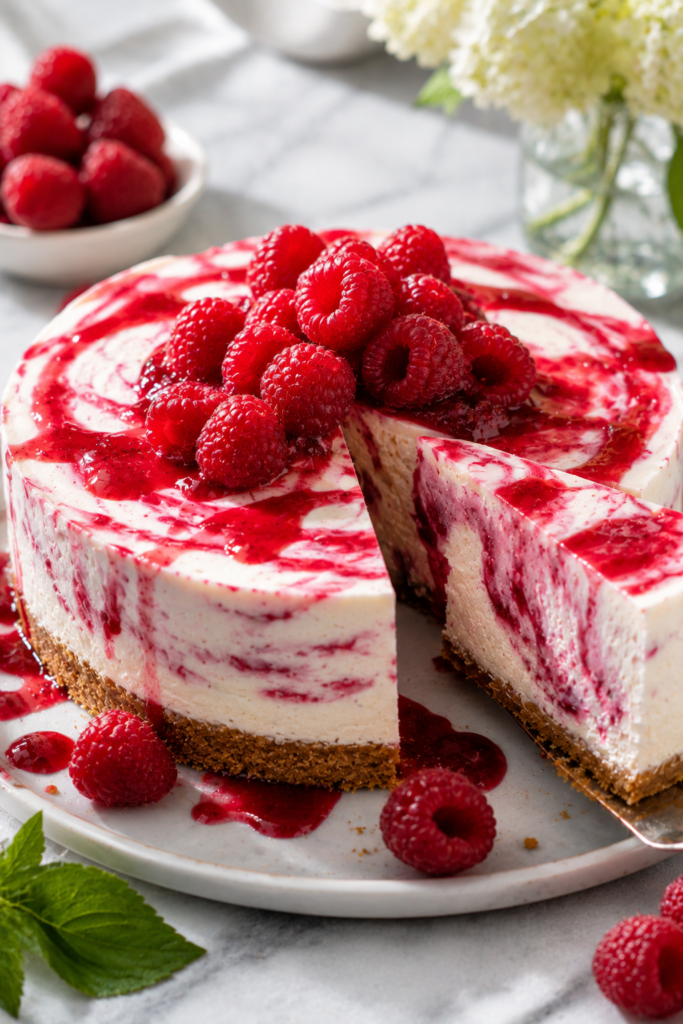
Fold a thick raspberry reduction through a whipped no-bake filling for a marbled effect. Because there’s no baking involved, the swirl stays distinct instead of blending into the batter, which gives a more dramatic presentation.
6. Watermelon Cheesecake Bars
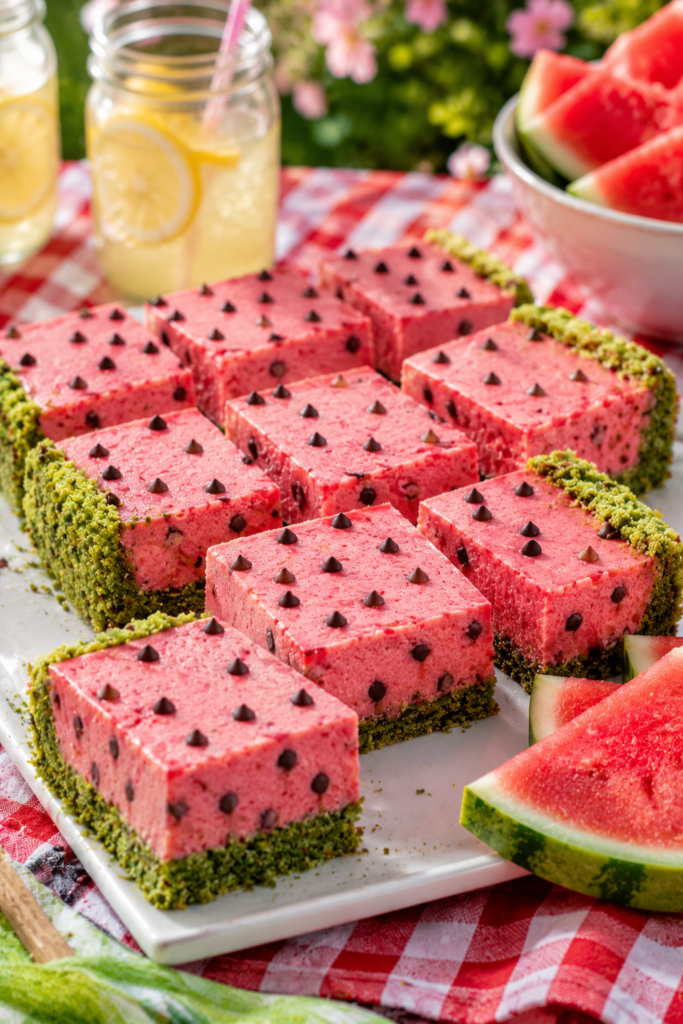
A novelty option worth trying once: a no-bake cheesecake bar tinted and flavored lightly with watermelon purée, with mini chocolate chips pressed in to mimic seeds. It’s more about the fun factor than deep flavor, since watermelon’s water content dilutes intensity fast.
7. Mango Coconut Cheesecake
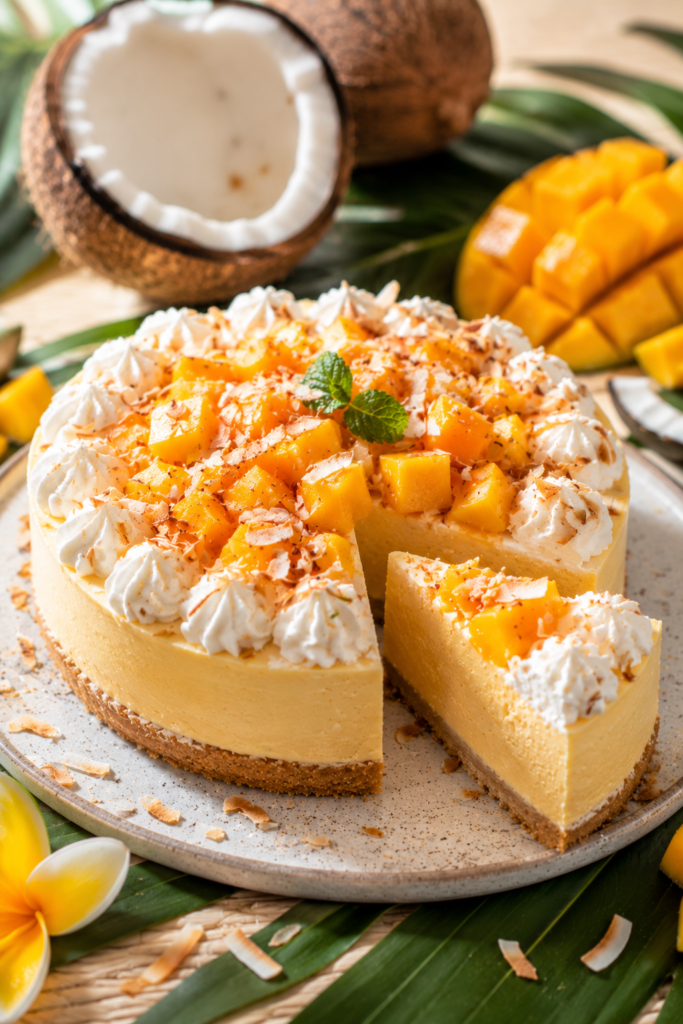
Blend ripe mango into a no-bake filling with a splash of coconut cream and a graham-coconut crust. Mango’s natural sweetness means you can cut back on added sugar compared to most recipes.
8. Cherry Almond Cheesecake
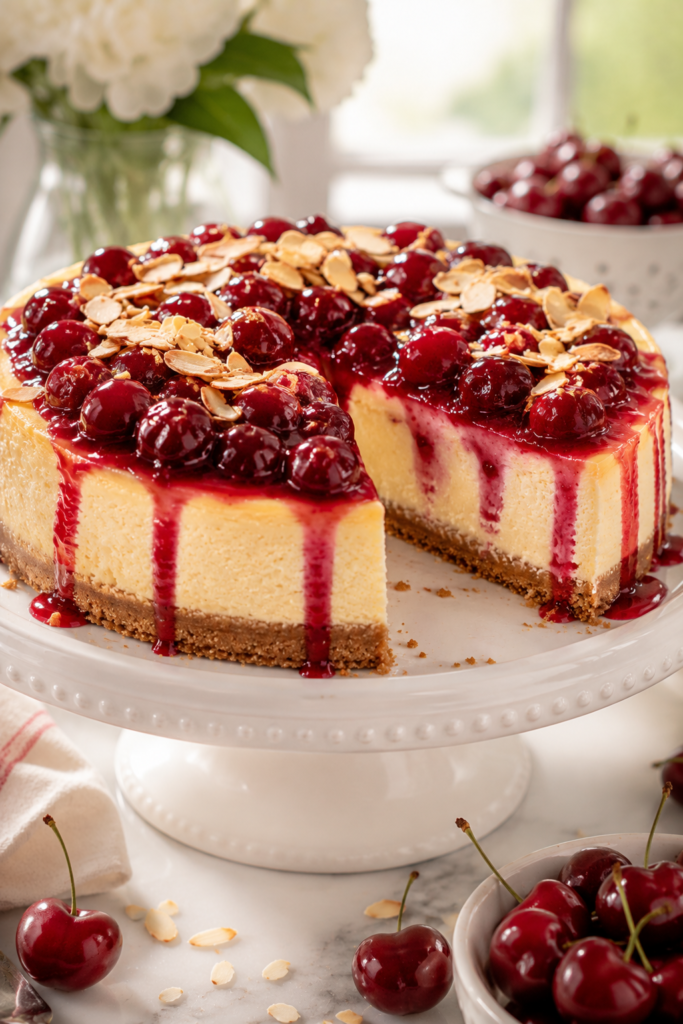
A baked cheesecake with almond extract in the batter (a little goes a long way — start with a quarter teaspoon) and a cherry topping made from pitted sweet cherries cooked down with sugar and a squeeze of lemon.
Tropical and Bold Flavor Cheesecakes
9. Piña Colada Cheesecake
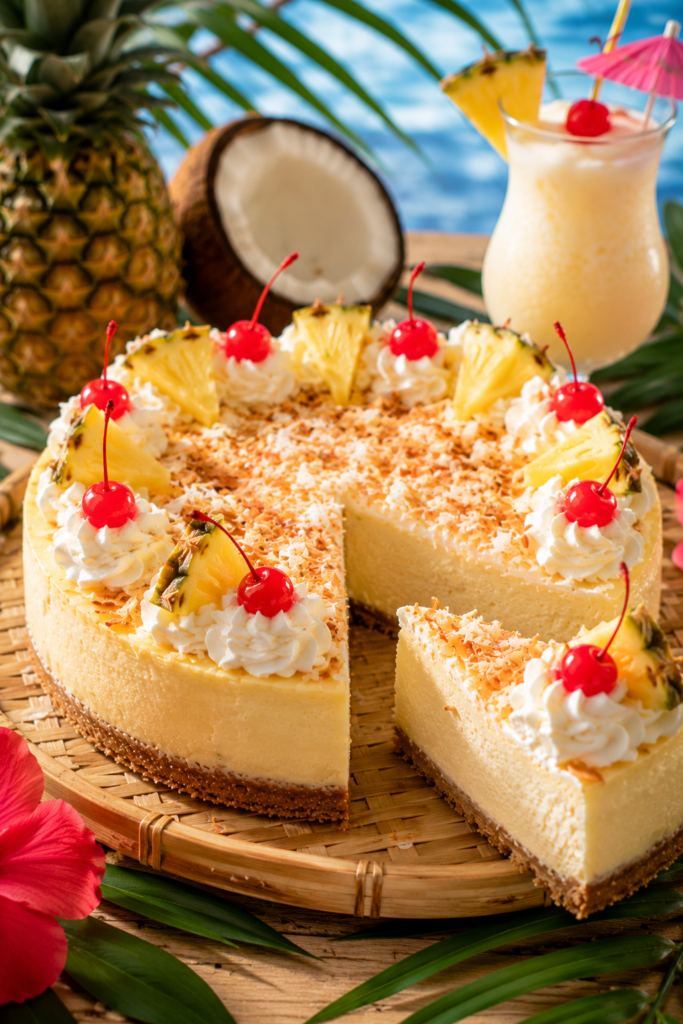
Crushed pineapple, coconut cream, and a splash of dark rum (or rum extract for a non-alcoholic version) folded into a no-bake filling. Drain the pineapple well — this is the single most common mistake with this flavor, since excess juice prevents the filling from setting.
10. Passion Fruit Cheesecake
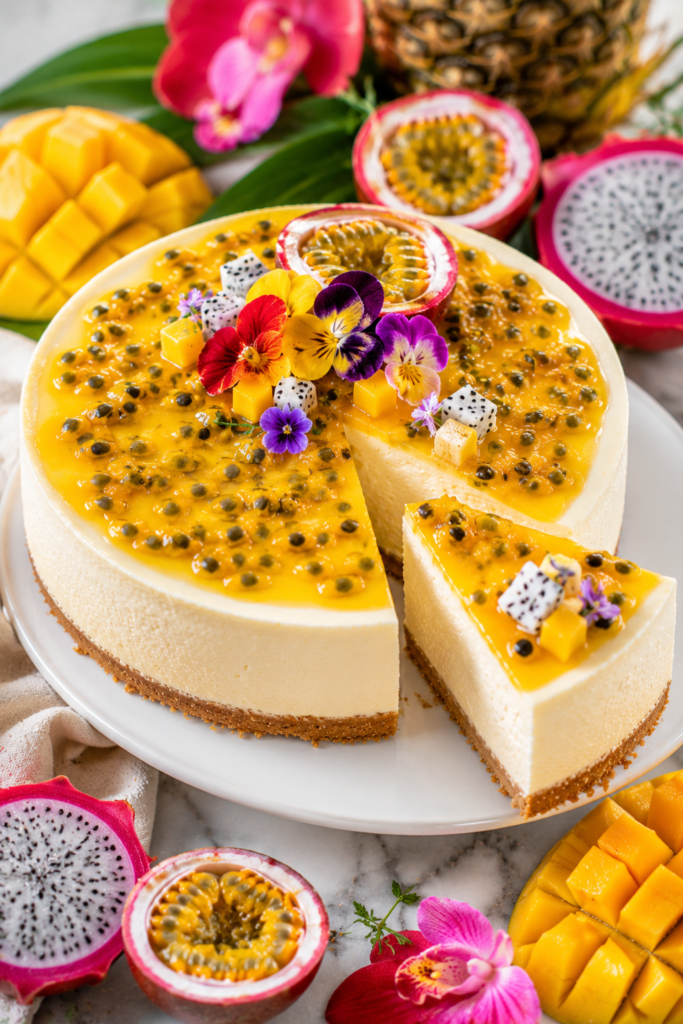
Passion fruit pulp has enough natural acid to work beautifully in a no-bake filling. Strain the seeds out for a smooth filling, or leave some in for texture and visual contrast against the pale filling.
11. Coconut Lime Cheesecake
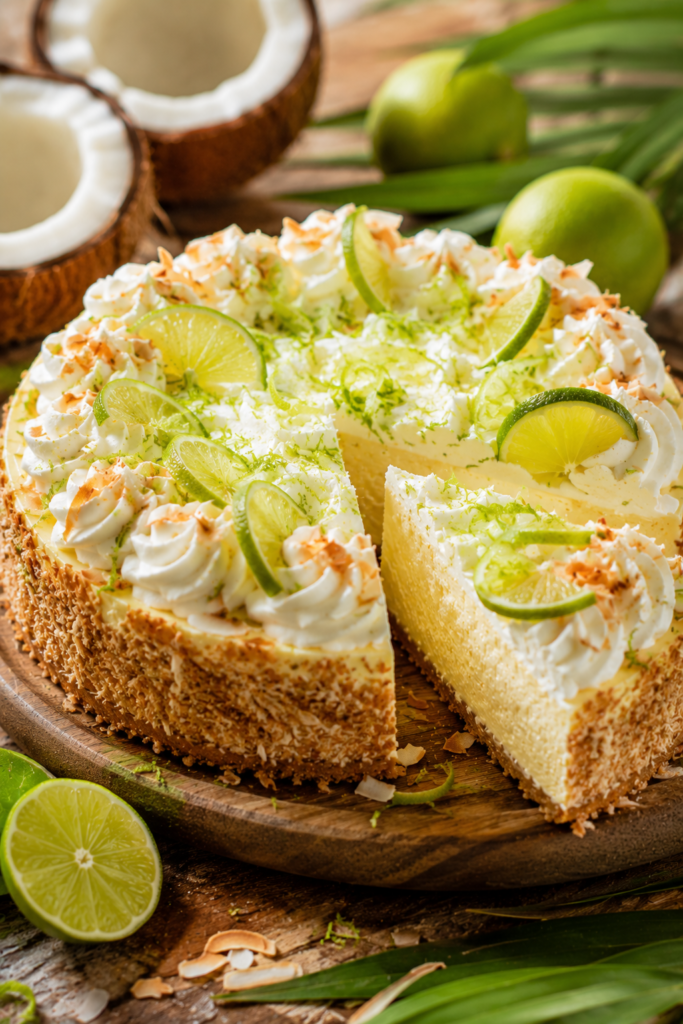
A cousin of key lime, built around toasted coconut in the crust and lime zest in the filling. Toasting the coconut before adding it to the crust makes a noticeable difference — raw shredded coconut tastes flat by comparison.
12. Mexican Horchata Cheesecake
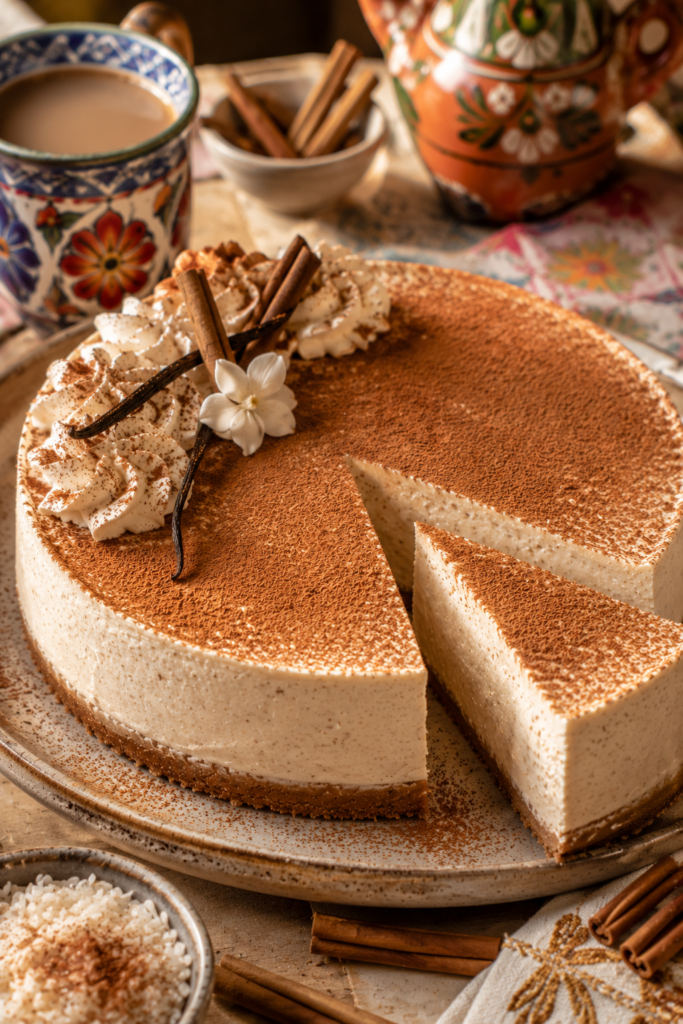
Infuse the cream cheese base with cinnamon and a touch of horchata concentrate or rice milk reduced with cinnamon and vanilla. It’s an unusual but well-received flavor for a summer cookout with a different flavor profile than typical fruit desserts.
13. Spicy Mango Habanero Cheesecake
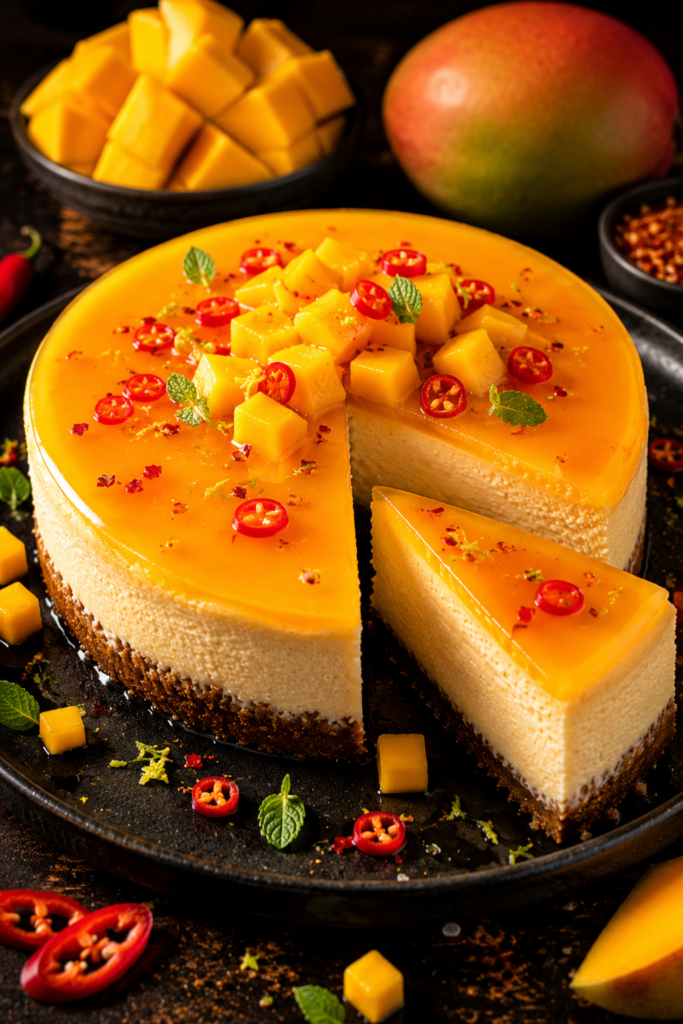
For guests who like heat with their sweet: a mango filling with a small amount of habanero-infused simple syrup swirled in. Infuse the syrup separately and add it a teaspoon at a time — it’s very easy to overshoot with habanero.
No-Bake and Icebox Cheesecakes
14. Classic Icebox Cheesecake
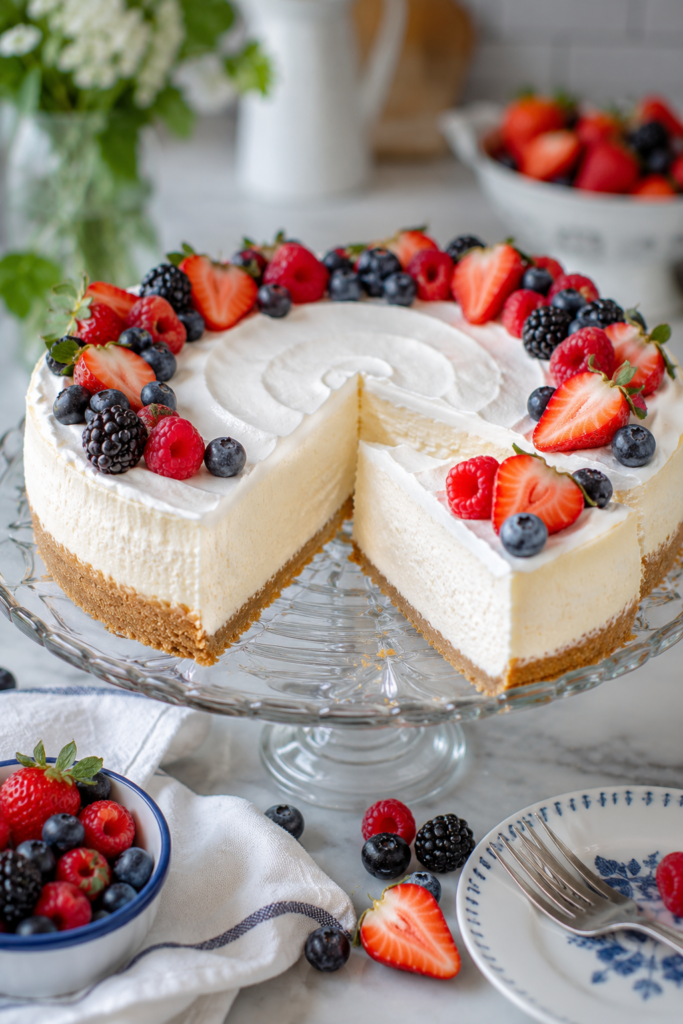
The baseline no-bake recipe: cream cheese, powdered sugar, vanilla, and folded whipped cream over a graham crust, set in the fridge for at least 6 hours. This is the version worth mastering first, since most of the flavor variations above build on this same base ratio.
15. Lemon Icebox Cheesecake
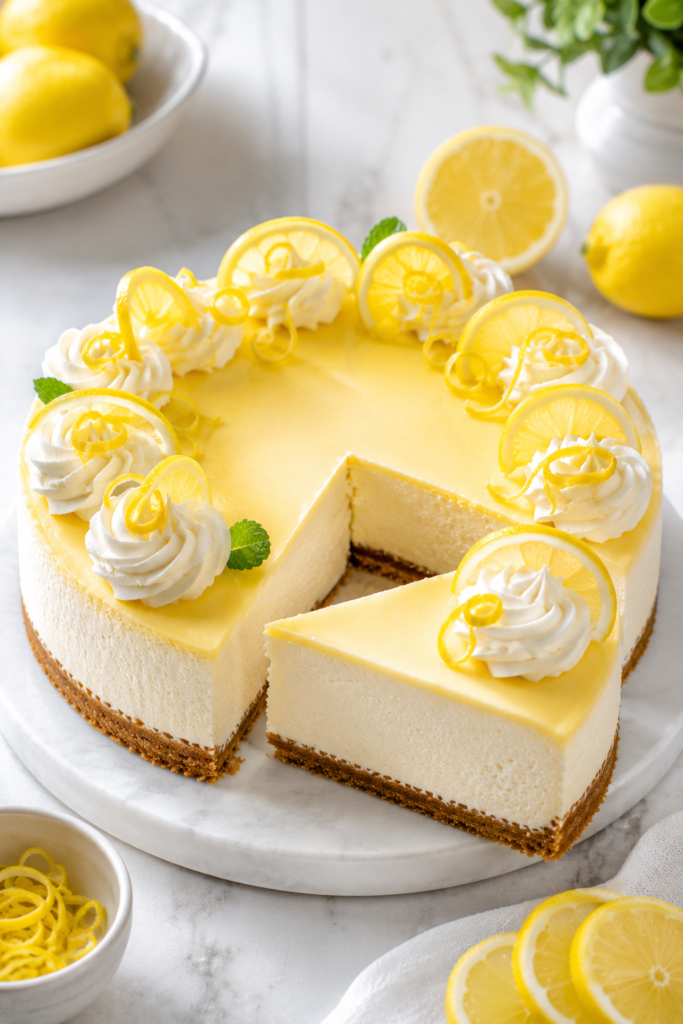
Add lemon zest and juice to the classic no-bake base. Because lemon juice is acidic, it can slightly thin the mixture — compensate by using slightly less liquid elsewhere in the recipe or adding a small amount of gelatin for extra hold.
16. Frozen Cheesecake Bites
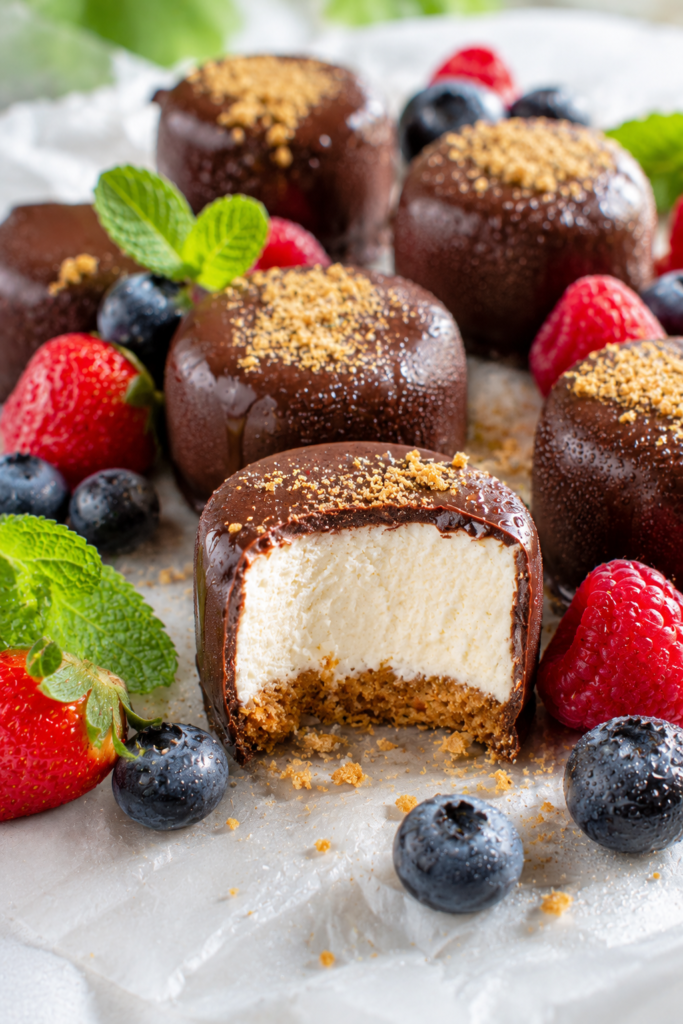
Portion a no-bake filling into a lined mini muffin tin, freeze until firm, then dip in melted chocolate. These travel well to potlucks and don’t require plates or forks, which makes them genuinely practical for outdoor events.
17. Cheesecake Popsicles
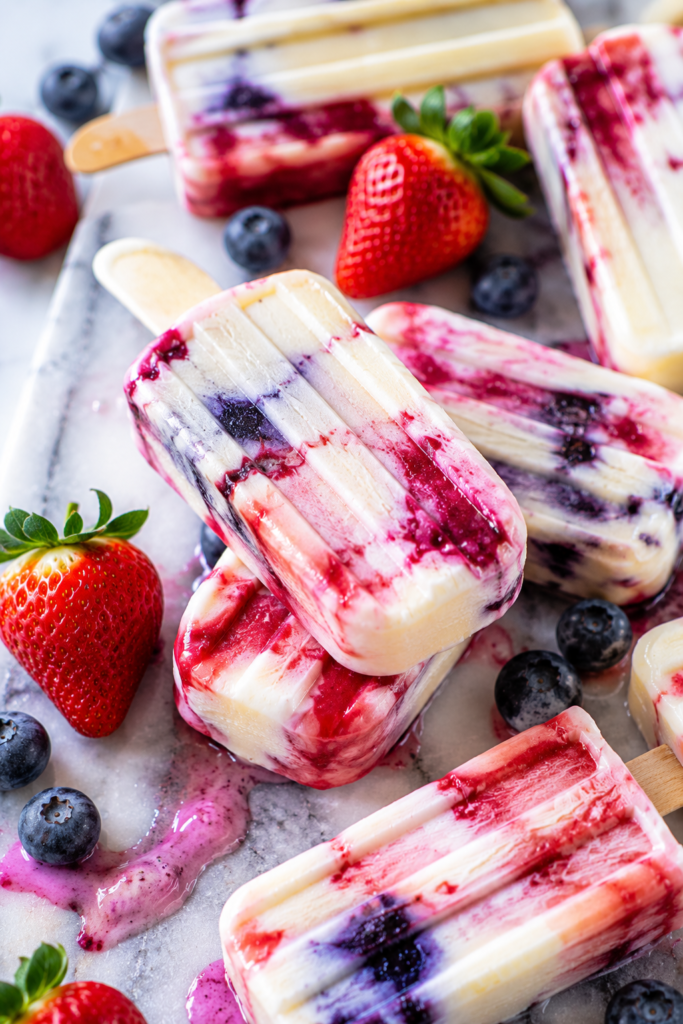
Blend a no-bake filling until pourable, add a swirl of fruit purée, and freeze in popsicle molds. This is one of the more kid-friendly formats on this list and solves the “cheesecake melting outside” problem entirely by leaning into being frozen.
18. Stuffed Strawberry Cheesecake Bites
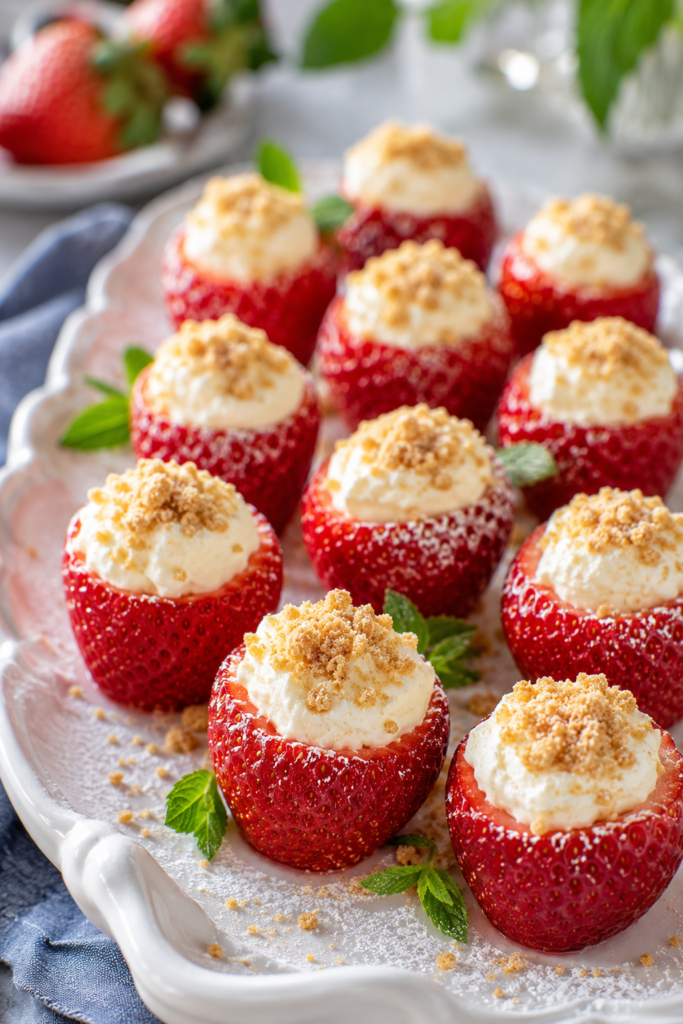
Hollow out large strawberries and pipe in a lightly sweetened no-bake filling. These need to be assembled close to serving time since the strawberries release moisture once cut and can get watery if they sit too long.
Mini and Jar Cheesecakes for Parties
19. Mason Jar Cheesecakes
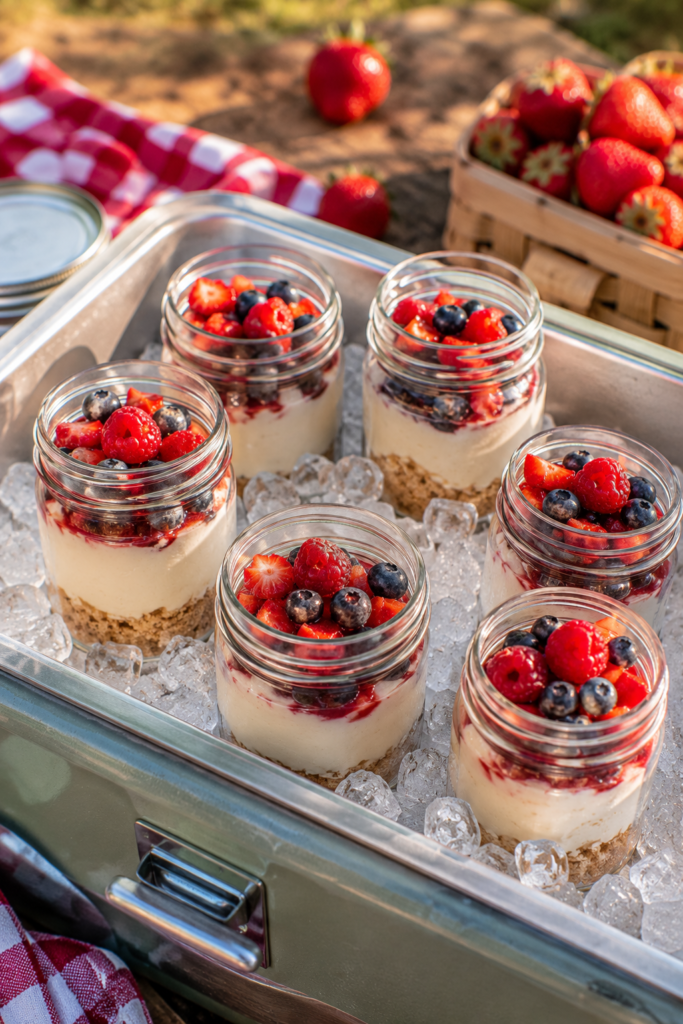
Layer crust, filling, and topping directly in small mason jars. This format solves the “cutting clean slices in heat” problem entirely and is genuinely one of the most practical options for a backyard party, since jars can sit in a cooler of ice until served.
20. Mini Cheesecake Cups (No-Bake)
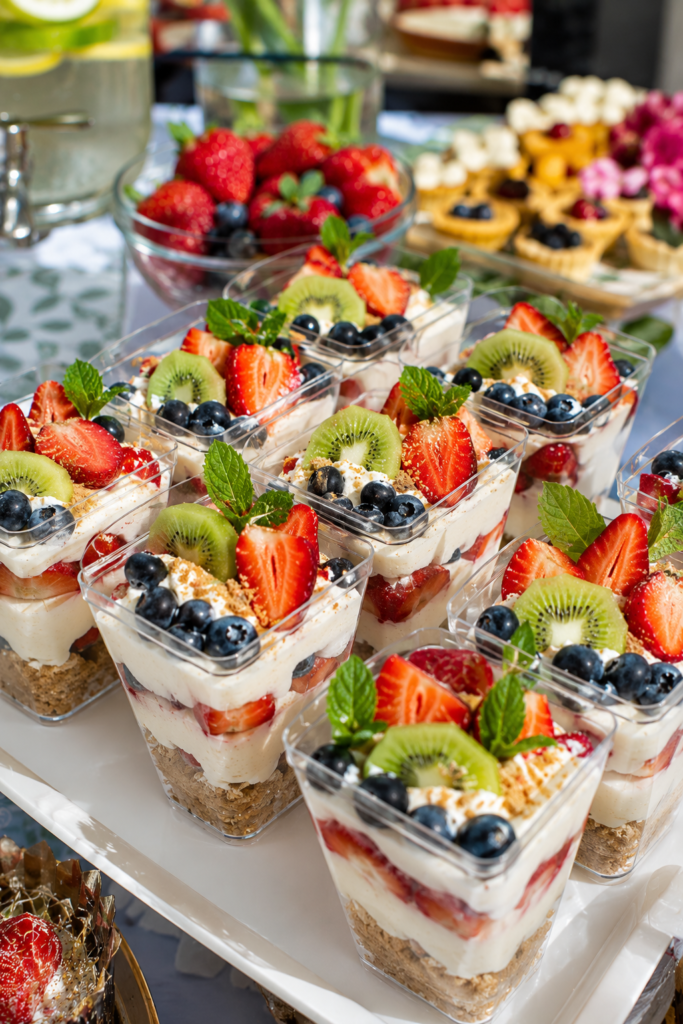
The same idea as jars but in clear plastic cups, useful for larger gatherings where washing jars afterward isn’t realistic.
21. Cheesecake-Stuffed Cupcakes
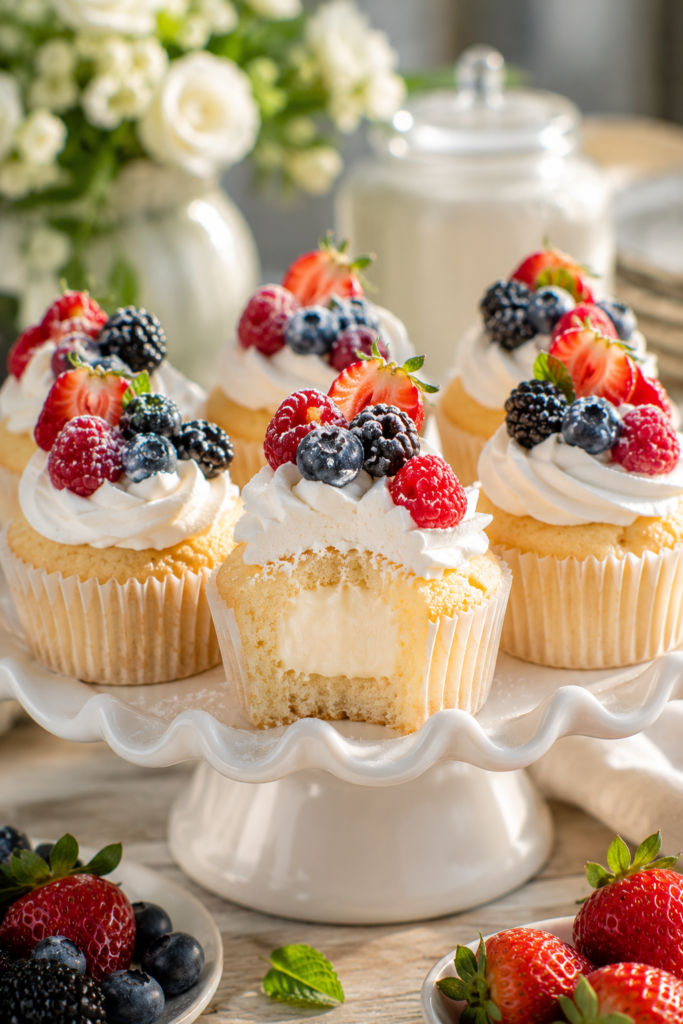
A baked vanilla cupcake with a cheesecake filling piped into the center after baking, topped with a dollop of whipped cream and berries. These hold up better than a full cheesecake slice at an outdoor event because the cake structure adds stability.
Bars, Crusts, and Alternative Formats
22. Lemon Blueberry Cheesecake Bars
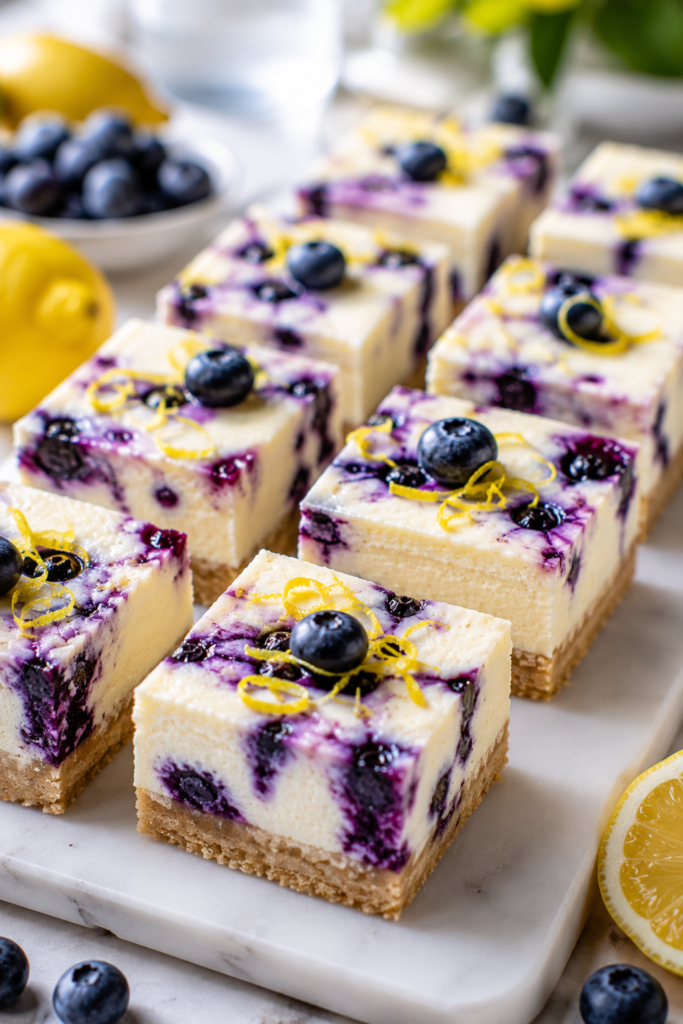
A shortbread crust, a baked cheesecake layer, and a blueberry swirl, cut into bars once fully chilled. Bars are genuinely easier to transport than a round cheesecake and don’t require a springform pan.
23. S’mores Cheesecake Bars
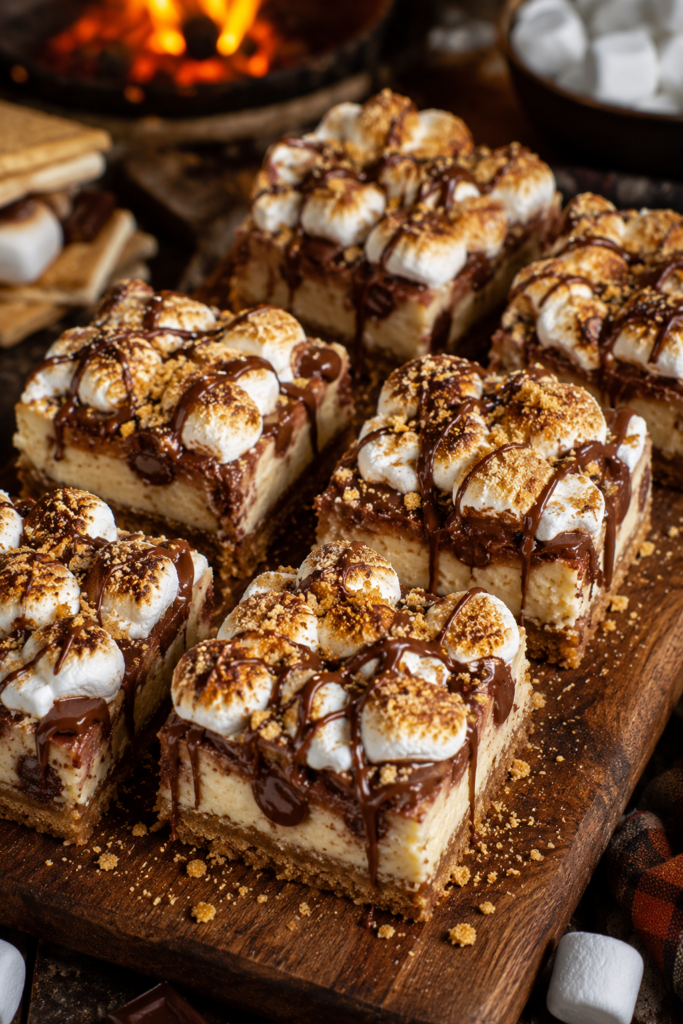
Graham crust, baked cheesecake filling, and a torched marshmallow topping. A kitchen torch gives the most even browning; a broiler works too but needs to be watched closely since marshmallow goes from golden to burnt in seconds.
24. Grilled Peach Cheesecake Bars
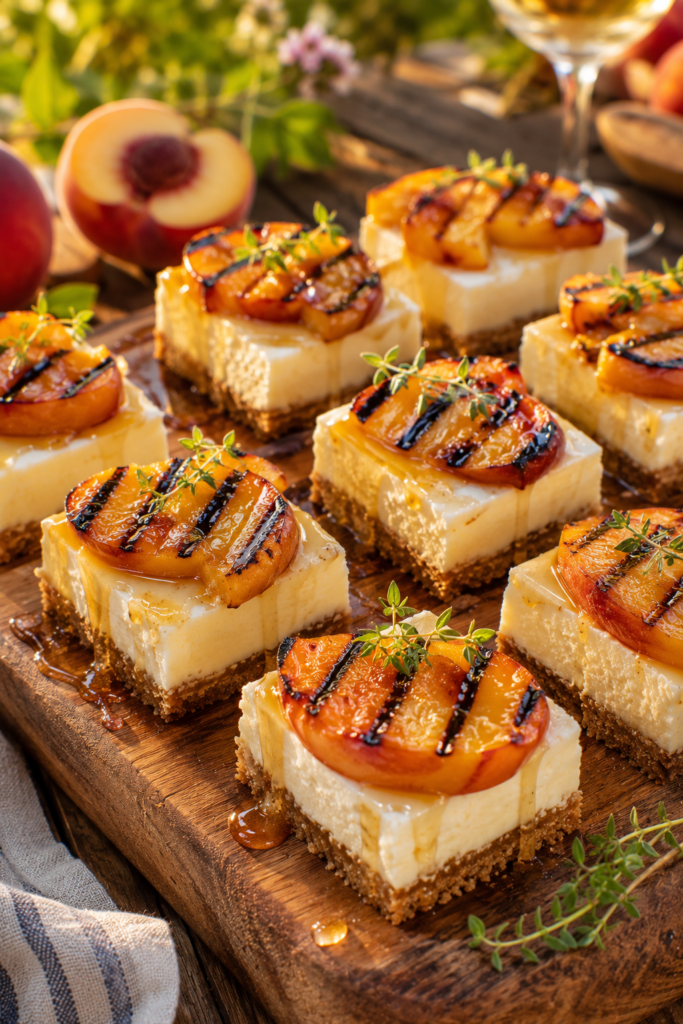
Grill peach halves briefly for char and caramelization, then dice and fold them into a baked cheesecake bar batter. The grill marks and slight smokiness make this one of the more distinctive options if you already have the grill going for the rest of the meal.
Technique Notes That Solve Most Cheesecake Problems
Water baths. For any baked cheesecake, wrapping the springform pan in foil and baking it in a larger pan filled with an inch of hot water moderates the heat around the edges, which is the main cause of cracked tops and overbaked rims. It’s an extra step, but it’s the single biggest factor in getting an evenly set cheesecake.
Room-temperature ingredients. Cold cream cheese and eggs don’t blend smoothly, which leads to lumps and overmixing (overmixing incorporates air, which causes cracking as the cheesecake bakes and then deflates). Set ingredients out for 30–45 minutes before starting.
Crust choice in hot weather. Graham cracker and butter crusts soften quickly at room temperature. In summer, chill the crust in the freezer for 10 minutes before filling, and keep the finished cheesecake refrigerated until close to serving.
Chill time isn’t optional. No-bake cheesecakes in particular need real time to set — rushing this step is the most common reason a “cheesecake” ends up more like a thick pudding. Overnight is safest, especially in a warm kitchen where the fridge itself may run slightly less cold when opened frequently.
Serving window outdoors. Baked cheesecake generally holds its shape for 45–60 minutes at room temperature; no-bake versions start softening within 20–30 minutes. For long outdoor events, keep the cheesecake in a cooler with ice packs and bring it out closer to serving time rather than leaving it on the dessert table the whole afternoon.
Frequently Asked Questions
Can I make cheesecake without an oven in summer? Yes — every no-bake recipe on this list skips the oven entirely. The tradeoff is a longer chill time (6–8 hours minimum) and a filling that relies on whipped cream, gelatin, or high fat content rather than eggs to set.
Why did my no-bake cheesecake not set? The most common causes are using low-fat cream cheese, not chilling long enough, or adding too much liquid fruit purée without compensating with a thickener like gelatin.
How long can cheesecake sit out at a summer party? Baked cheesecake is generally fine for 45–60 minutes at room temperature. No-bake cheesecake softens faster and should ideally be kept cold until close to serving, especially in direct heat.
Can I freeze cheesecake? Yes, both baked and no-bake cheesecakes freeze well for up to 2–3 months if wrapped tightly. Thaw in the refrigerator rather than at room temperature to avoid condensation making the crust soggy.
Why did my baked cheesecake crack? Usually overmixing (too much air in the batter), baking without a water bath, or cooling too fast. Letting the cheesecake cool gradually in the turned-off oven with the door cracked open for about an hour helps prevent cracking from a sudden temperature change.
What’s the best crust for a no-bake cheesecake? Graham cracker crusts are the standard, but shortbread cookie crusts hold together slightly better in heat since they use less butter relative to crumb, which makes them less prone to softening at room temperature.
Can I make mini cheesecakes ahead of time? Yes — mason jar and mini cup versions are some of the most make-ahead-friendly formats here, since they can be assembled a day or two in advance and kept covered in the fridge until the event.
Do I need a springform pan for all of these? No. Bars, jars, cups, bites, and popsicles don’t require one at all. A springform pan is really only necessary for full-size round cheesecakes.
Final Thoughts
Summer cheesecake doesn’t have to mean choosing between “give up and buy one” or “run the oven for an hour in July.” The format matters as much as the flavor: bars, jars, and no-bake versions solve most of the practical problems that come with hot weather, while a well-managed water bath makes baked versions perfectly workable too. Start with whichever base recipe matches your kitchen setup and the event you’re serving it at, then use the flavor list above to build from there.