
15 Yummy Dessert Recipes That Actually Deserve a Second Helping
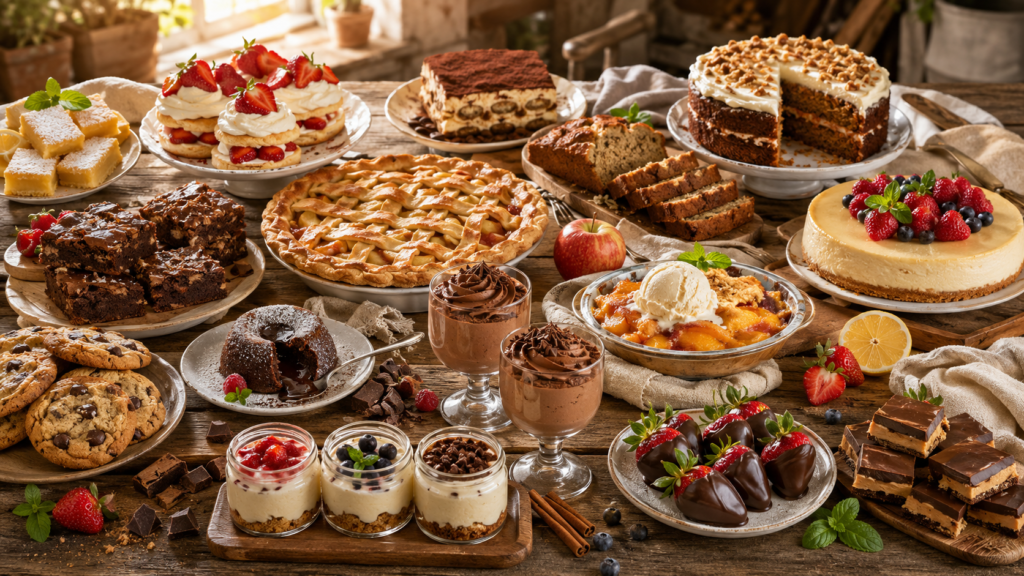
There’s a difference between a dessert recipe that photographs well and one you actually crave three days later. This roundup of dessert recipes sticks to the second kind: recipes that are forgiving enough for a weeknight, impressive enough for company, and simple enough that you won’t need a trip to a specialty store.
Below you’ll find 15 dessert recipes grouped by type chocolate, fruit-based, baked classics, no-bake, and small-batch treats along with the tips that actually matter (why your cookies spread too much, how to keep cheesecake from cracking, when to trust your nose over the timer).
Quick Answer: What Are the Best Easy Desserts to Start With?
If you only try three recipes from this list, start with chocolate chip cookies, a one-bowl brownie, and no-bake cheesecake cups. They use pantry staples, come together in under an hour, and teach the core skills — creaming butter, tempering eggs, and setting a filling — that make every other dessert on this list easier.
Chocolate Desserts
1. Classic Chocolate Chip Cookies
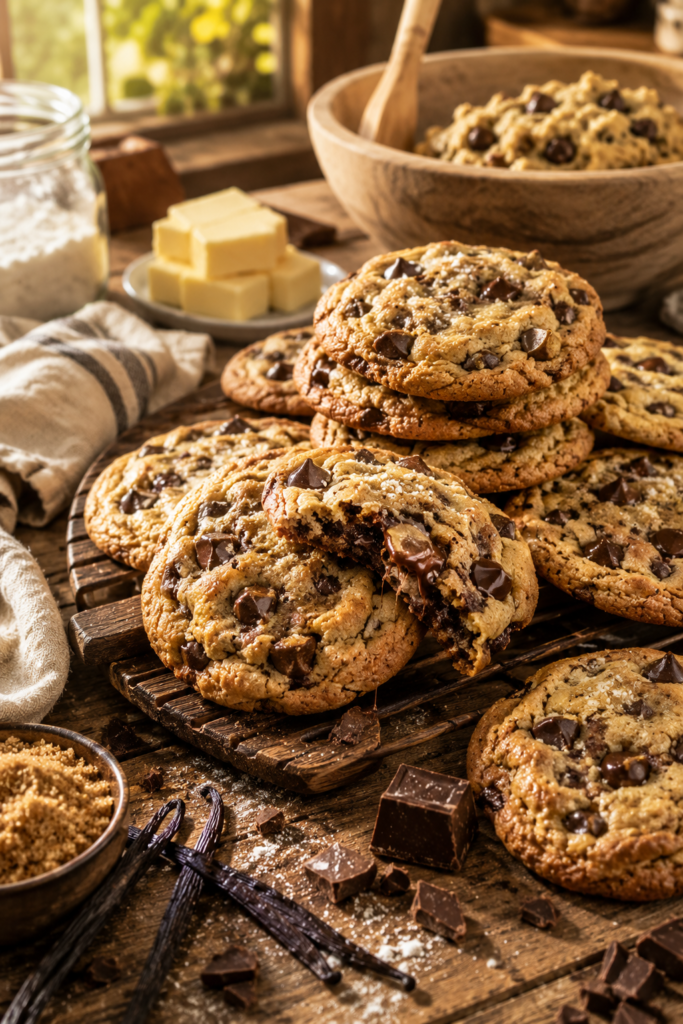
The workhorse of home baking. The key variable most recipes skip: chilling the dough for at least 30 minutes concentrates the butterfat and stops the cookies from spreading into thin discs. Brown sugar over white sugar (roughly a 2:1 ratio) gives you that chewy center with crisp edges.
- Common mistake: Over-creaming the butter and sugar incorporates too much air, leading to cakey rather than chewy cookies. Cream just until combined and light in color, not fluffy.
2. Fudgy One-Bowl Brownies
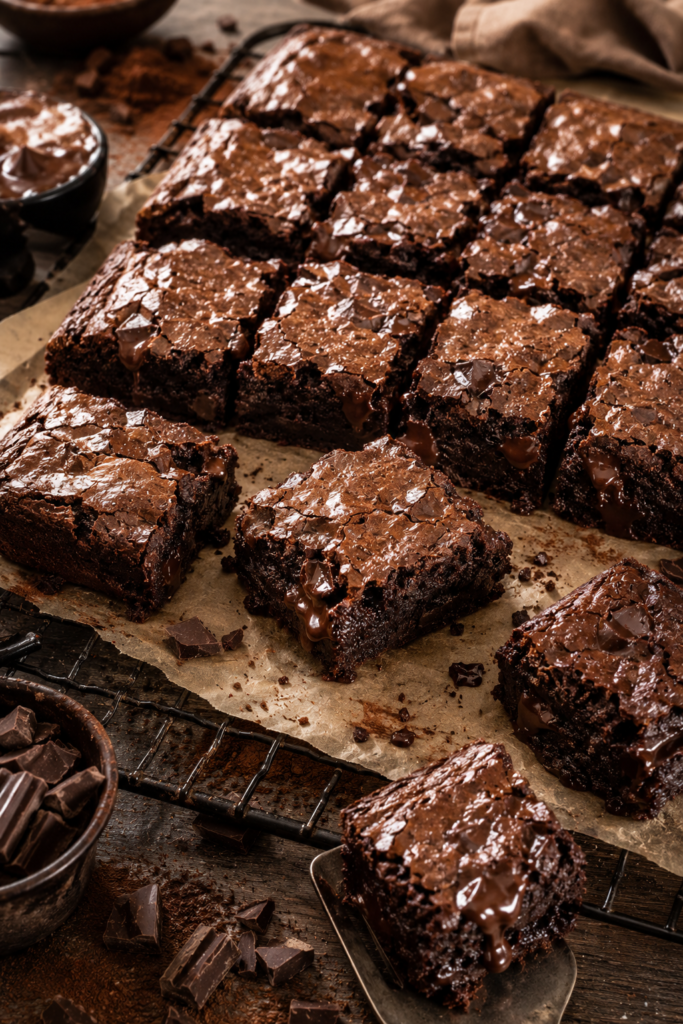
Skip the mixer. Melt butter and dark chocolate together, whisk in sugar and eggs, fold in flour and cocoa. The trick to that shiny, crackly top: whisking the eggs and sugar vigorously for a full two minutes before adding anything else — this dissolves the sugar into the egg proteins and creates the meringue-like layer that rises to the surface while baking.
3. Molten Chocolate Lava Cakes
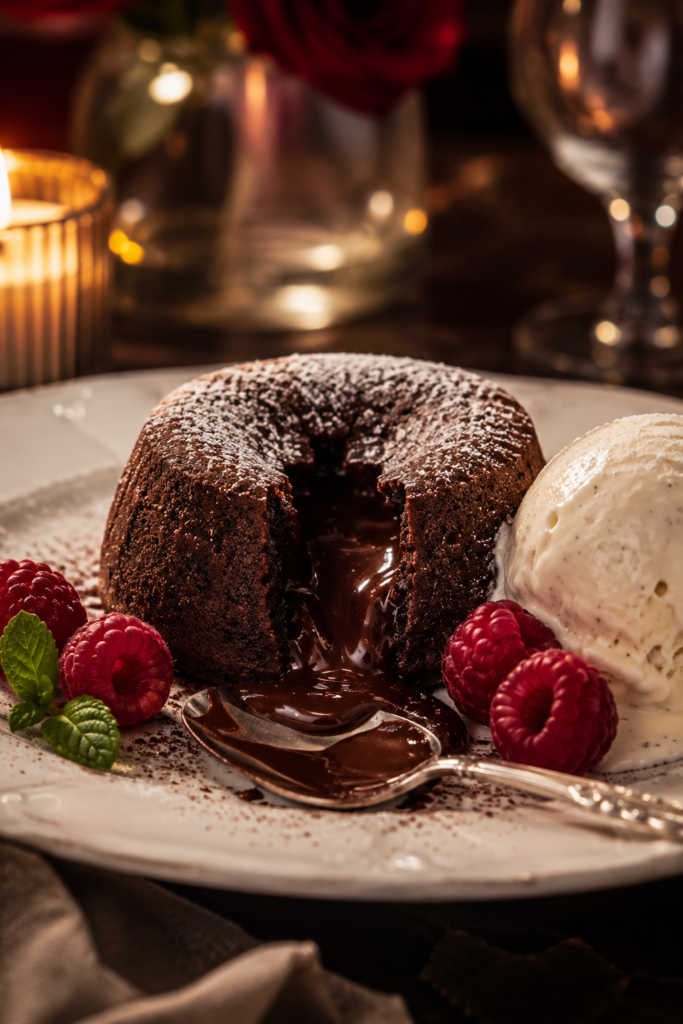
Individual ramekins, a short bake time (usually 10–12 minutes at 425°F/220°C), and a firm edge with a liquid center. The margin for error is small — even two extra minutes in the oven turns “molten” into “regular cake” — so set a timer and check a minute early the first time you make these.
4. Chocolate Mousse
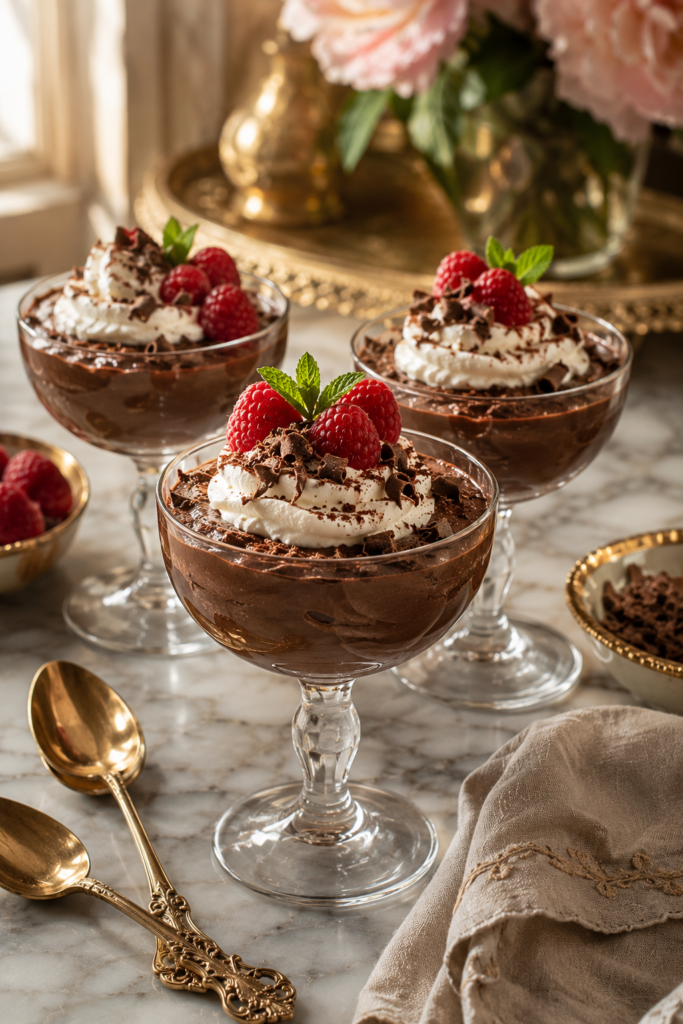
Real mousse gets its texture from whipped egg whites or whipped cream folded into melted chocolate, not from gelatin or pudding mix. Fold gently in three additions to avoid deflating the air you just whipped in — that air is the entire texture of the dish.
Fruit-Forward Desserts
5. Classic Apple Pie
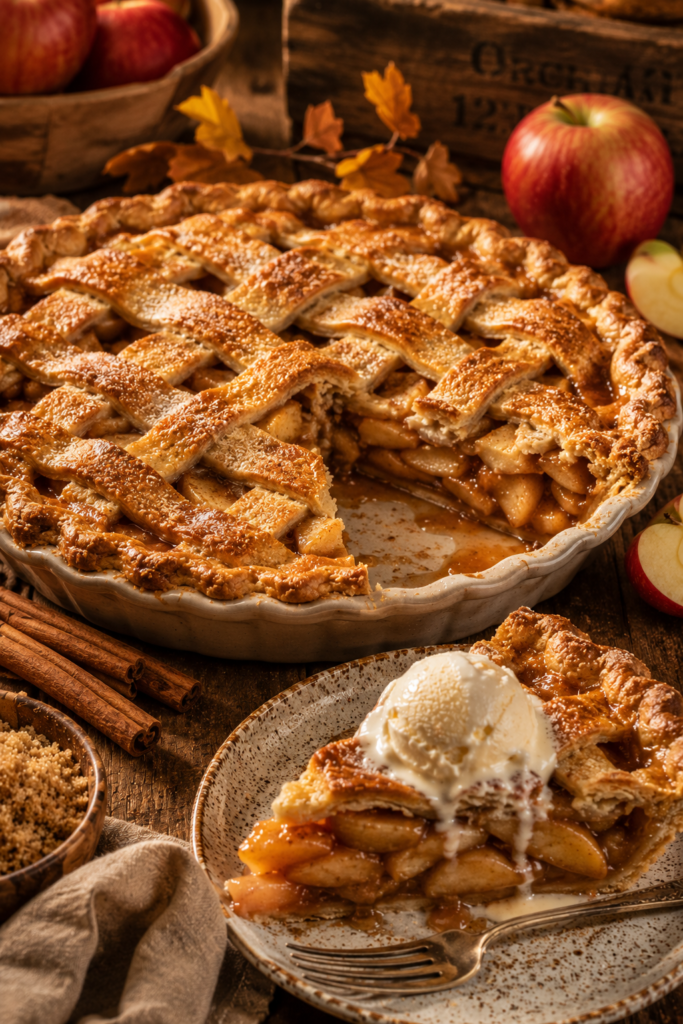
A soggy bottom crust is almost always a moisture problem. Toss sliced apples with sugar and let them sit for 15–20 minutes, then drain the released juice before filling the crust (you can reduce that juice on the stove and pour it back in as a thickened syrup). Blind-bake the bottom crust for 10 minutes if you’re worried.
6. Lemon Bars
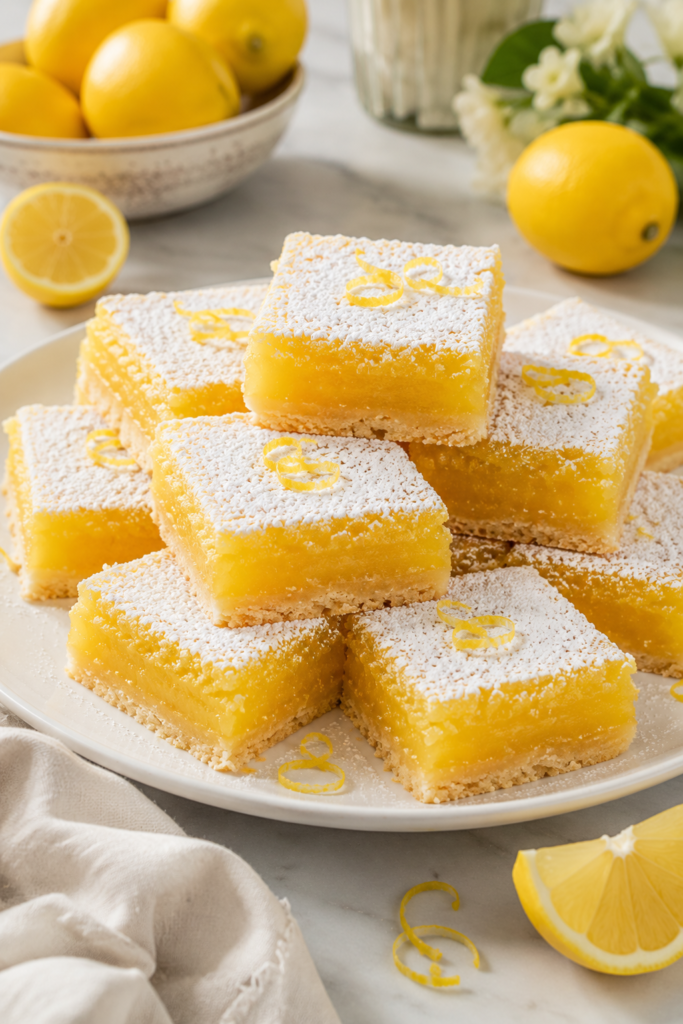
The ratio that matters here is eggs to citrus: too much lemon juice and the curd never sets; too little and it tastes flat. A standard ratio is about 4 large eggs to ¾ cup fresh lemon juice for an 8×8 pan. Bake until the center barely jiggles — it firms up as it cools.
7. Peach or Berry Cobbler
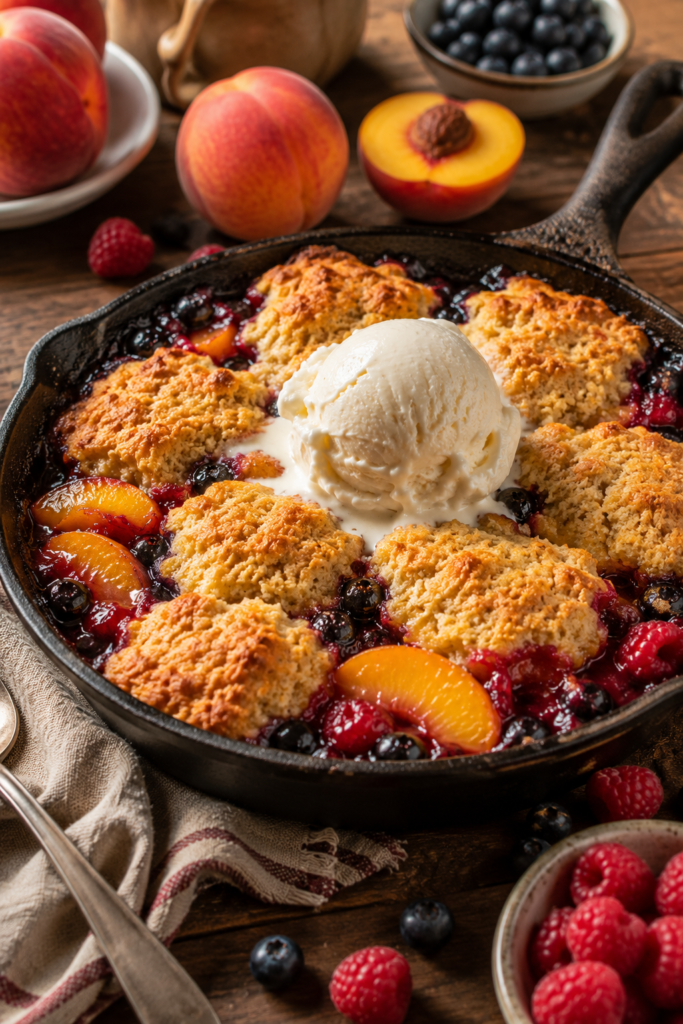
Cobbler batter should be thick enough to drop in spoonfuls, not pour. Using cold butter cut into the flour (rather than melted) gives you those slightly craggy, biscuit-like peaks on top instead of a flat, cake-like layer.
8. Strawberry Shortcake
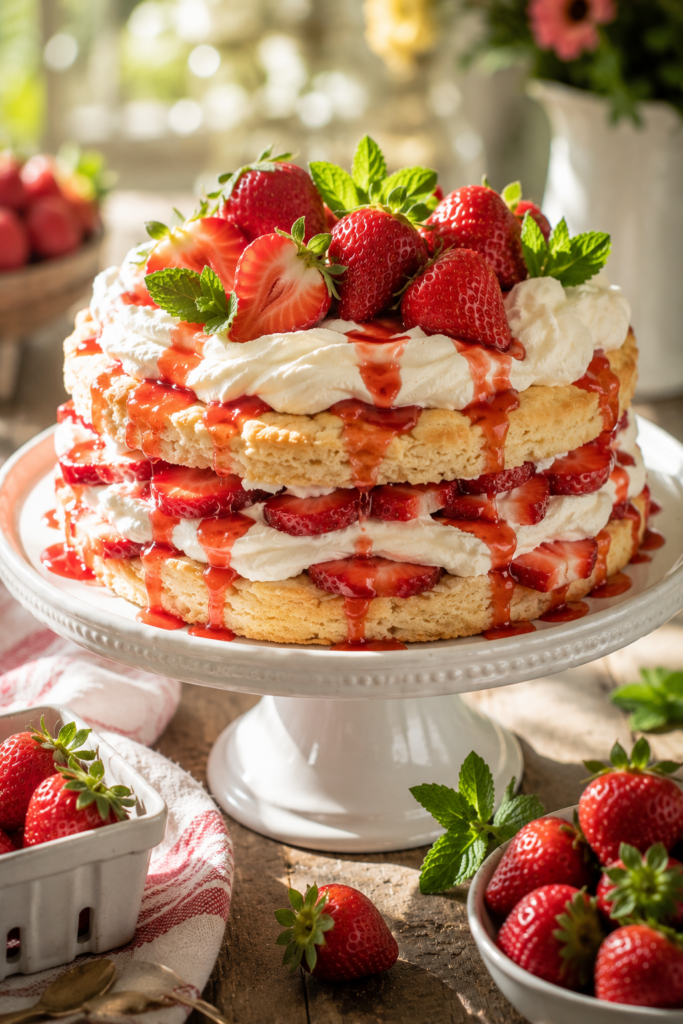
The biscuit, not the strawberries, is what separates a good shortcake from a great one. Handle the dough as little as possible and use cold butter — the same logic as pie crust. Macerate the strawberries in sugar for at least 30 minutes before serving so they release their own syrup.
Baked Classics
9. New York Cheesecake
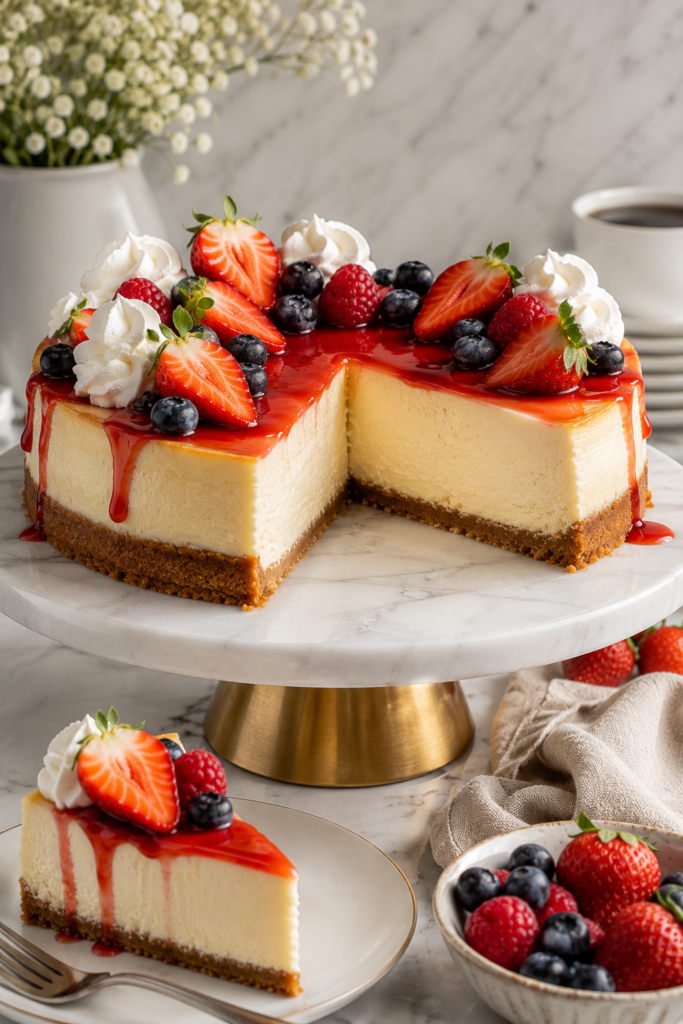
Cracking is almost always caused by overbaking or rapid temperature change. Bake in a water bath, and once the timer goes off, crack the oven door and let the cheesecake cool inside for an hour before removing it. Room-temperature cream cheese (not straight from the fridge) also prevents lumps that show up as texture problems later.
10. Carrot Cake with Cream Cheese Frosting
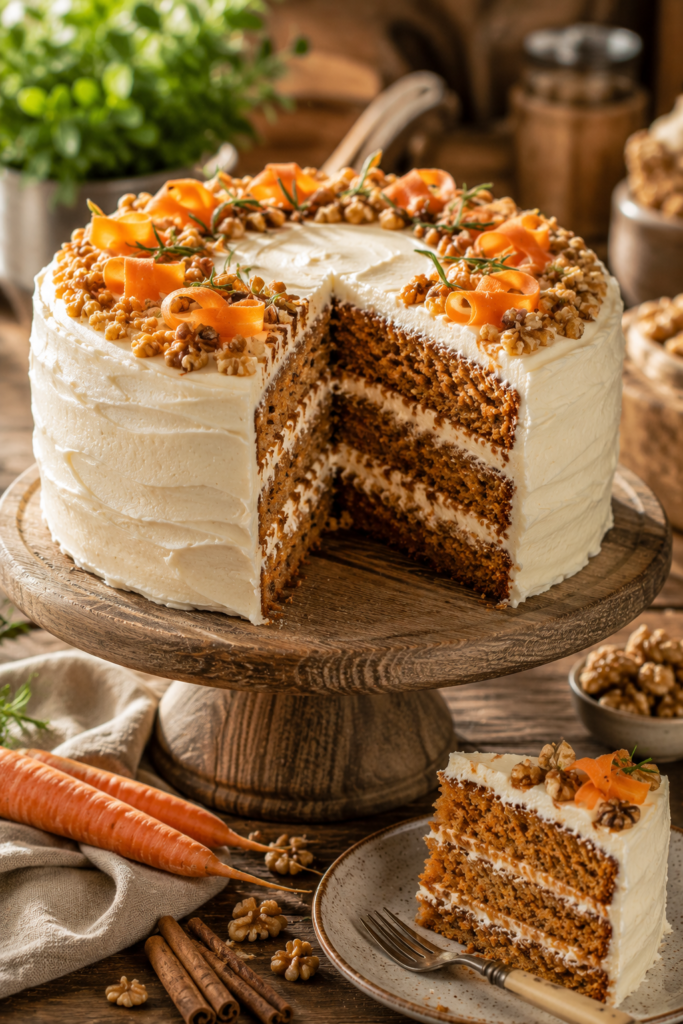
Grate the carrots fresh rather than using pre-shredded bagged carrots, which are drier and won’t release the moisture that keeps this cake tender. Toasting the walnuts or pecans first adds a depth that raw nuts don’t.
11. Banana Bread
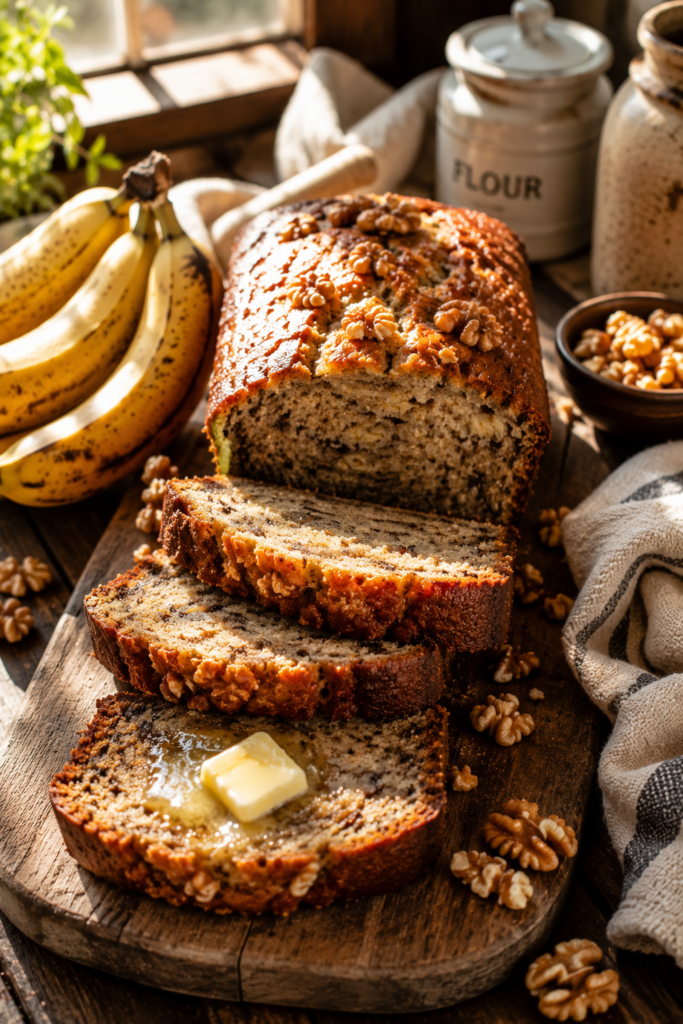
The riper the bananas, the better — you want the peels almost entirely black. Overmixing after adding flour develops gluten and makes the loaf tough and rubbery instead of tender; stir just until you no longer see dry streaks.
12. Tiramisu
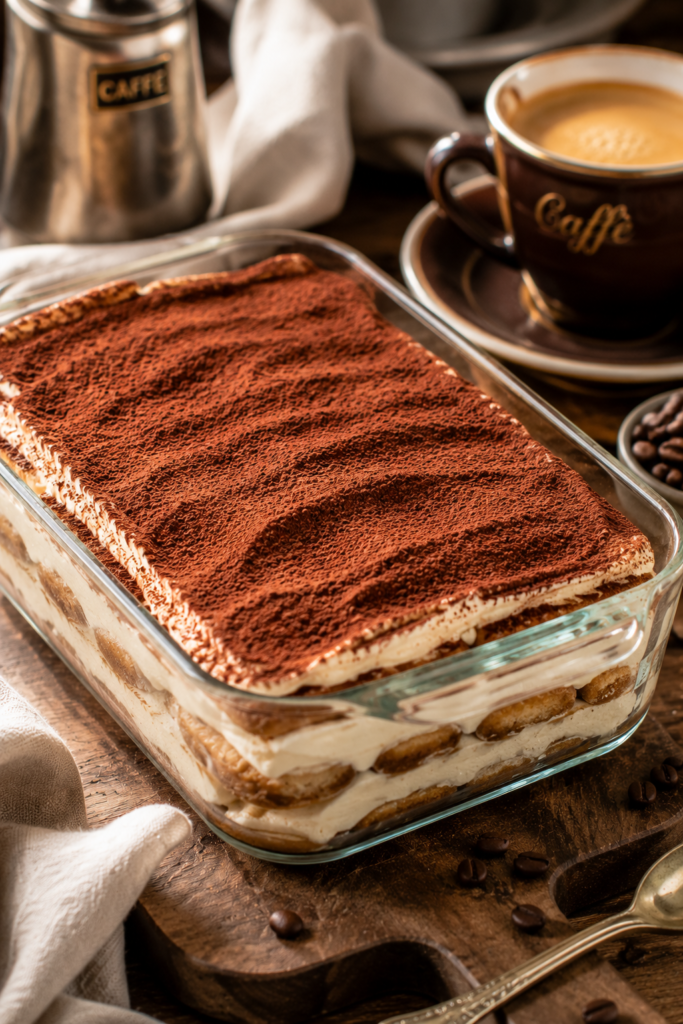
No baking required, but timing matters. Dip the ladyfingers in coffee quickly one second per side or they’ll turn to mush instead of holding their shape under the mascarpone layer. Let the assembled tiramisu rest in the fridge for at least 4 hours, ideally overnight, so the layers meld.
No-Bake and Small-Batch Treats
13. No-Bake Cheesecake Cups
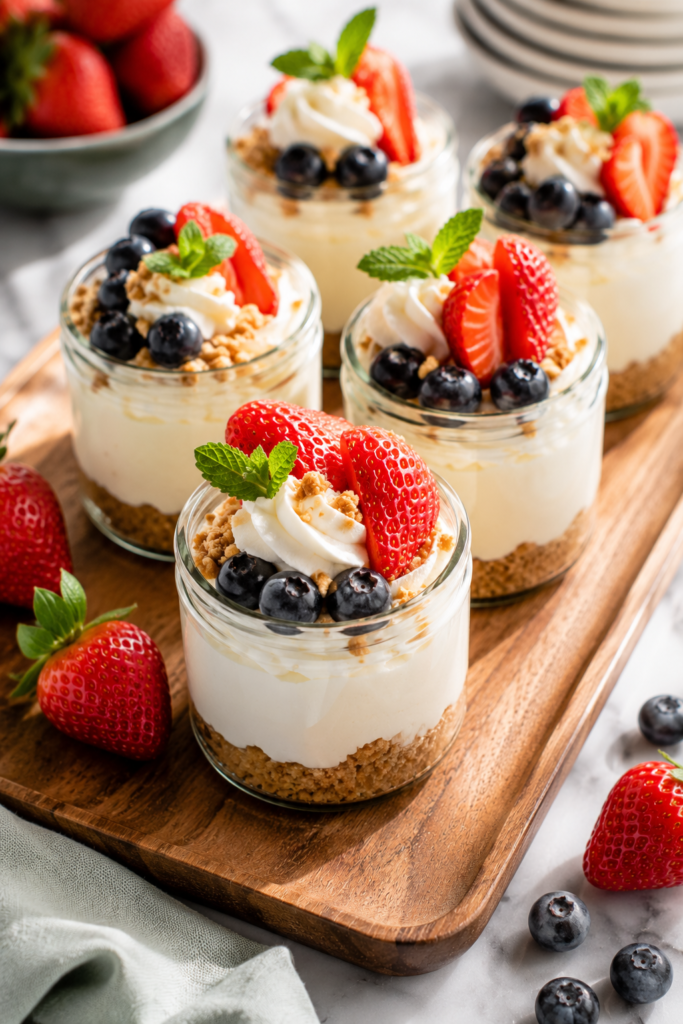
Individual jars or cups set faster than a full cheesecake and don’t require a water bath. Whipped cream folded into the cream cheese mixture (instead of relying on gelatin) gives a lighter texture that still holds its shape after a few hours in the fridge.
14. Chocolate-Dipped Strawberries

Dry strawberries completely before dipping — any surface moisture will make the chocolate seize or slide off. Adding a teaspoon of coconut oil or shortening to melted chocolate gives it a glossier finish and a cleaner snap once set.
15. Peanut Butter Cup Bars
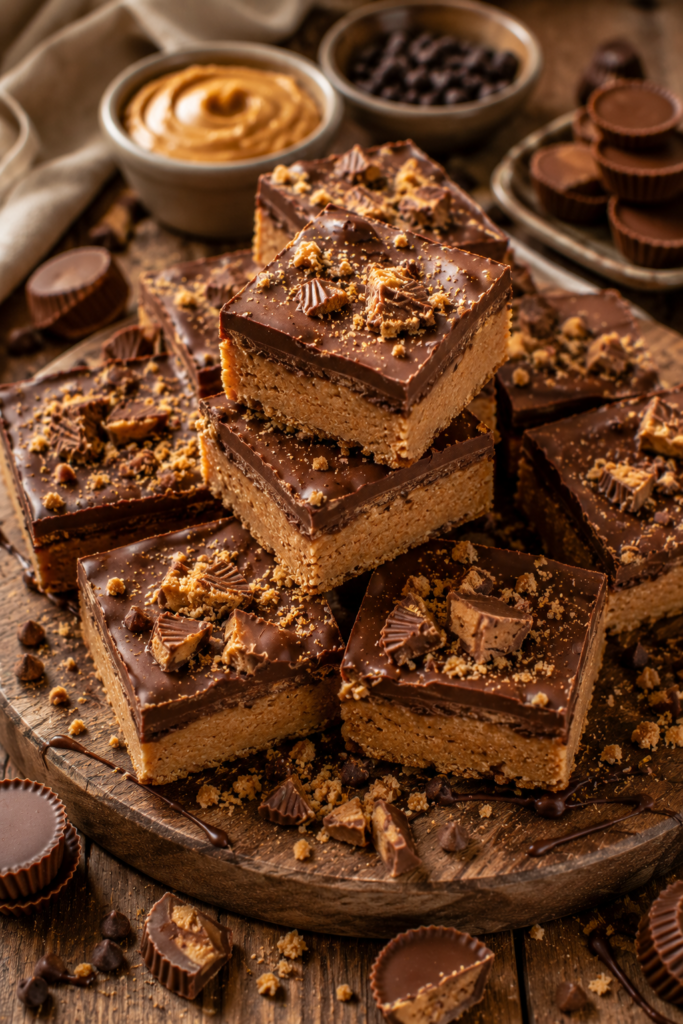
A no-bake bar built from a graham cracker–peanut butter base and a melted chocolate topping. Refrigerating the peanut butter layer for 15 minutes before pouring the chocolate on top keeps the two layers distinct instead of blending together.
Frequently Asked Questions
Why do my cookies spread too thin? Usually the dough was too warm, the butter was too soft, or there wasn’t enough flour. Chilling the dough and double-checking your flour measurement (spoon and level, don’t scoop) fixes most spreading issues.
Can I substitute butter with oil in baking? Sometimes. Oil works fine in quick breads and some cakes where a moist, dense crumb is the goal, but it doesn’t work in recipes that rely on creaming butter and sugar for structure, like most cookies.
How do I keep a cheesecake from cracking? Bake it in a water bath, avoid overbaking, and let it cool gradually in the oven with the door cracked instead of pulling it out into a cold kitchen.
What’s the difference between mousse and pudding? Mousse gets its light texture from whipped eggs or cream folded in; pudding is thickened with cornstarch or eggs cooked on the stove and has a denser, custard-like texture.
Can I make any of these desserts ahead of time? Tiramisu, no-bake cheesecake cups, cheesecake, and lemon bars all improve after a few hours or overnight in the fridge, since the flavors and textures need time to settle. Cookies and brownies are best eaten fresh but freeze well as dough or baked squares.
Why did my lemon bars turn out runny? Underbaking is the most common cause — the curd needs to bake until just barely set, with a slight jiggle only in the very center. It will continue to firm up as it cools, so resist the urge to leave it in longer if the edges are already set.
A Few Closing Notes
Good dessert baking comes down to a handful of repeating principles: temperature control (cold butter for flaky textures, room-temperature dairy for smooth ones), not overmixing once flour enters the bowl, and giving things time to rest or cool rather than rushing to slice. Once those habits are automatic, you can improvise flavors — swap the fruit, change the chocolate, adjust the spice — without worrying about the structure falling apart.
If you try one of these and it doesn’t turn out quite right, the fix is almost always one of the three things above. Start there before you blame the recipe.