
Caesar Salad Recipe and Procedure — A Classic Blend of Crunch, Creaminess, and Freshness
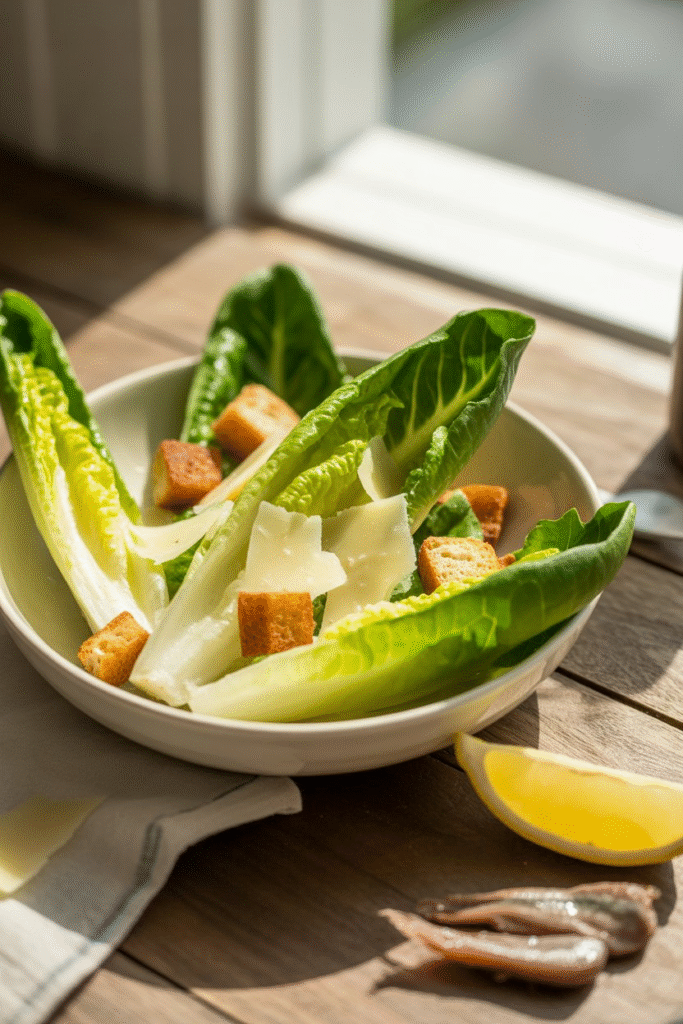
When it comes to salads that have truly stood the test of time, the Caesar Salad reigns supreme. With its crisp romaine lettuce, rich creamy dressing, crunchy croutons, and delicate Parmesan shavings, this salad delivers a balance of textures and flavours that’s hard to rival. Though it’s often seen on fine-dining menus, preparing it at home is surprisingly simple and deeply satisfying.
In this guide, we’ll walk through the caesar salad recipe and procedure in detail — from its fascinating origins to practical preparation tips, dressing techniques, and plating ideas to achieve that restaurant-quality finish.
A Brief History of the Caesar Salad
Contrary to popular belief, the Caesar Salad was not created by Julius Caesar, the Roman emperor. It was, in fact, the brainchild of Caesar Cardini, an Italian restaurateur based in Tijuana, Mexico, in the 1920s.
As the story goes, Cardini threw together the salad on a busy Fourth of July night when his restaurant ran low on ingredients. Using what was available — lettuce, eggs, croutons, Parmesan, olive oil, and Worcestershire sauce — he improvised a dish that would later become a global icon.
What began as a moment of culinary improvisation has since evolved into one of the most beloved salads worldwide. The traditional Caesar has also inspired countless variations, from grilled chicken versions to vegan alternatives.
Ingredients for the Classic Caesar Salad
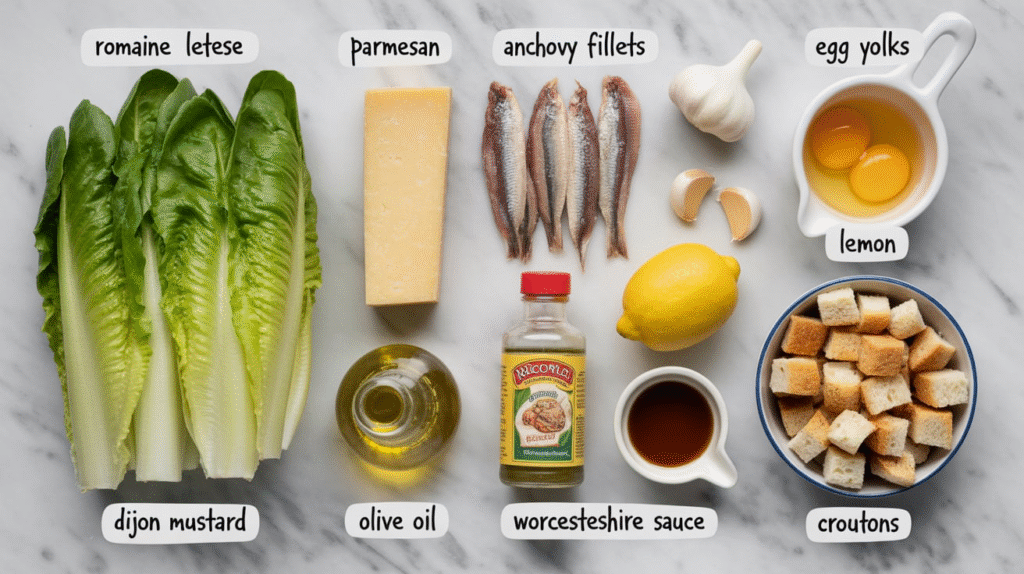
Before diving into the step-by-step procedure, let’s take a look at the essential ingredients you’ll need to make an authentic Caesar salad at home.
For the Salad Base:
- 1 large head of romaine lettuce, washed, dried, and chopped into bite-sized pieces
- 1 cup of croutons (homemade or store-bought)
- ½ cup freshly grated Parmesan cheese
For the Classic Caesar Dressing:
- 2 anchovy fillets (optional but traditional)
- 1 garlic clove, finely minced
- 2 large egg yolks (or 2 tbsp mayonnaise for a safer, no-raw-egg option)
- 2 tbsp freshly squeezed lemon juice
- 1 tsp Dijon mustard
- 1 tsp Worcestershire sauce
- ¼ cup extra-virgin olive oil
- Salt and black pepper, to taste
Optional Add-Ins:
- Grilled chicken breast, sliced
- Crispy bacon bits
- Soft-boiled eggs
- Avocado slices
These add-ons not only enhance the salad’s protein content but also make it hearty enough to serve as a main meal.
Step-by-Step Procedure for the Perfect Caesar Salad
Now that we have all the ingredients ready, let’s move on to the main part — the procedure. The Caesar Salad is all about balance: crisp lettuce, creamy dressing, crunchy croutons, and salty cheese, all coming together harmoniously.
Follow this step-by-step caesar salad recipe and procedure for best results:
Step 1: Prepare the Croutons
Homemade croutons add a delightful crunch and freshness that shop-bought ones rarely match.
- Preheat your oven to 180°C (350°F).
- Cut day-old bread (such as baguette or sourdough) into cubes.
- Toss the cubes in olive oil, a pinch of salt, pepper, and garlic powder.
- Spread them evenly on a baking tray and bake for 10–12 minutes until golden and crisp.
- Set aside to cool.
Croutons are not just textural elements; they also absorb a bit of the dressing, adding another layer of flavour to the salad.
Step 2: Make the Dressing
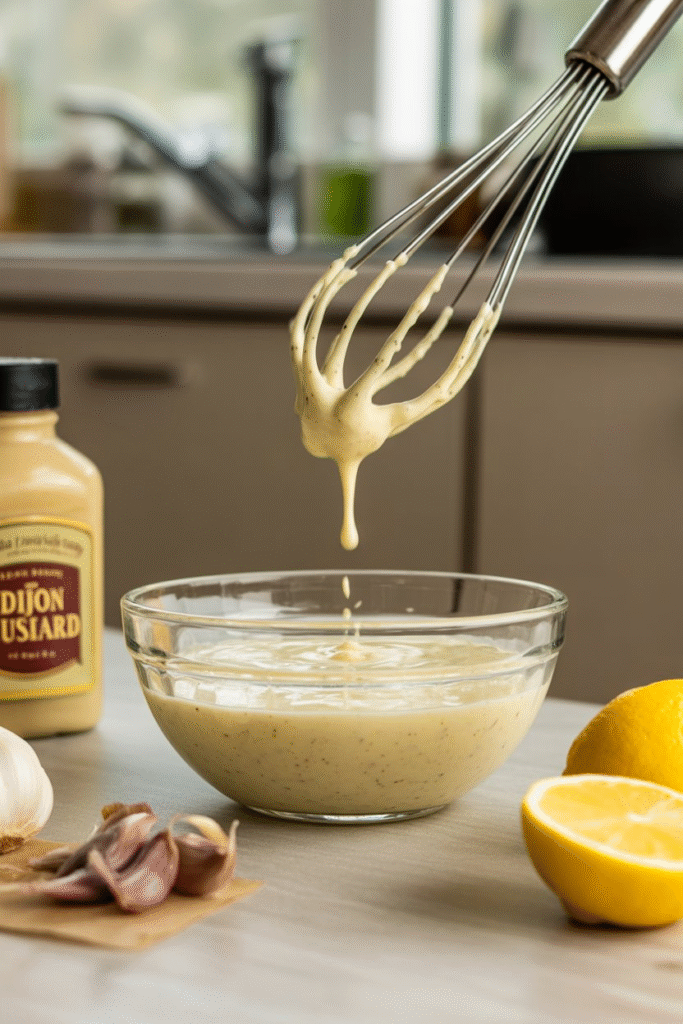
This step defines the Caesar Salad. The creamy, tangy dressing is its soul — rich from egg yolks and oil, savoury from anchovies, and brightened by lemon juice.
- In a mixing bowl, combine minced garlic, anchovies, Dijon mustard, and egg yolks.
- Whisk thoroughly until smooth.
- Gradually drizzle in olive oil while whisking continuously to emulsify the mixture.
- Add lemon juice, Worcestershire sauce, and season with salt and pepper.
- Taste and adjust seasoning — add a touch more lemon juice for acidity or oil for smoothness.
If you prefer a lighter, modern version, blend the dressing using Greek yoghurt instead of egg yolks for a tangy twist.
Step 3: Prepare the Lettuce
Romaine lettuce is the heart of this dish, so freshness matters.
- Separate the leaves and wash them thoroughly.
- Pat dry with a paper towel or use a salad spinner — dressing won’t cling to wet leaves.
- Tear or chop into bite-sized pieces. Avoid slicing with a knife if possible, as torn leaves retain their crispness longer.
Tip: Chill the lettuce for 10 minutes before assembling. The cold leaves make the salad extra refreshing.
Step 4: Assemble the Salad
- In a large mixing bowl, combine the chilled romaine lettuce and croutons.
- Drizzle in about half the Caesar dressing, tossing gently to coat every leaf.
- Add freshly grated Parmesan and toss again lightly.
- Taste and adjust — add more dressing or cheese as you prefer.
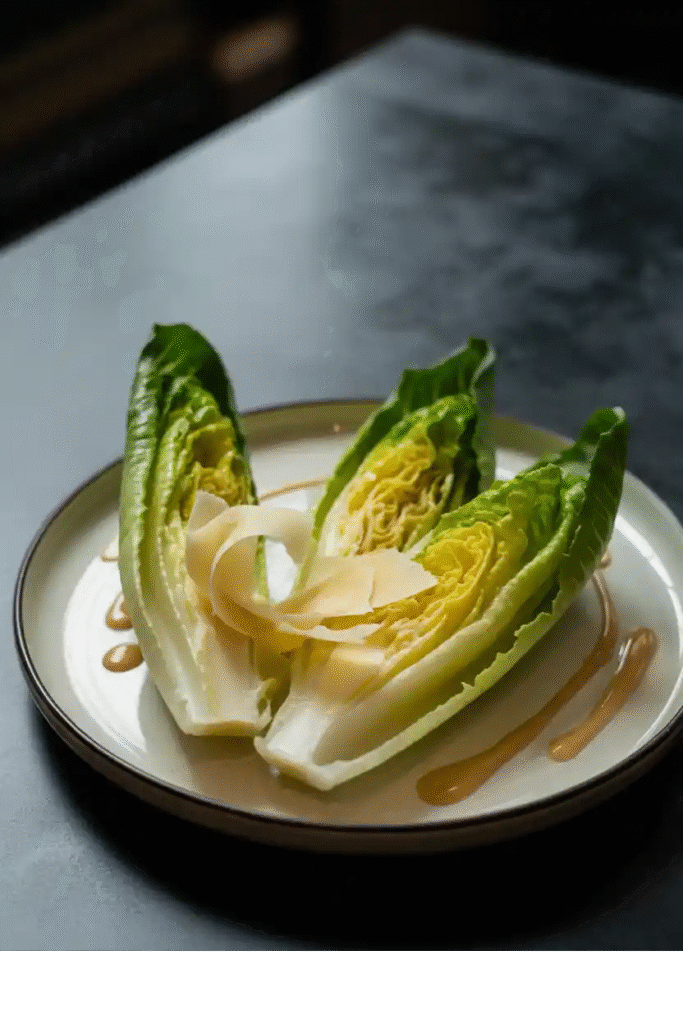
For presentation, you can also serve the salad in individual bowls or on a large platter with extra Parmesan shavings on top.
Step 5: Optional Add-Ons and Variations
The classic Caesar is timeless, but modern palates often crave a touch of creativity. Here are a few popular twists:
- Grilled Chicken Caesar Salad: Add strips of seasoned grilled chicken breast for a high-protein meal.
- Shrimp Caesar: Toss in pan-seared prawns for a seafood version.
- Kale Caesar: Replace romaine with kale for a more nutrient-dense option.
- Vegan Caesar: Swap anchovies for capers and use vegan mayo or tahini-based dressing.
Each variation respects the core of the Caesar Salad while offering new textures and flavours.
Serving and Plating Tips
Caesar Salad can shine as a side dish or a complete meal, depending on how it’s served.
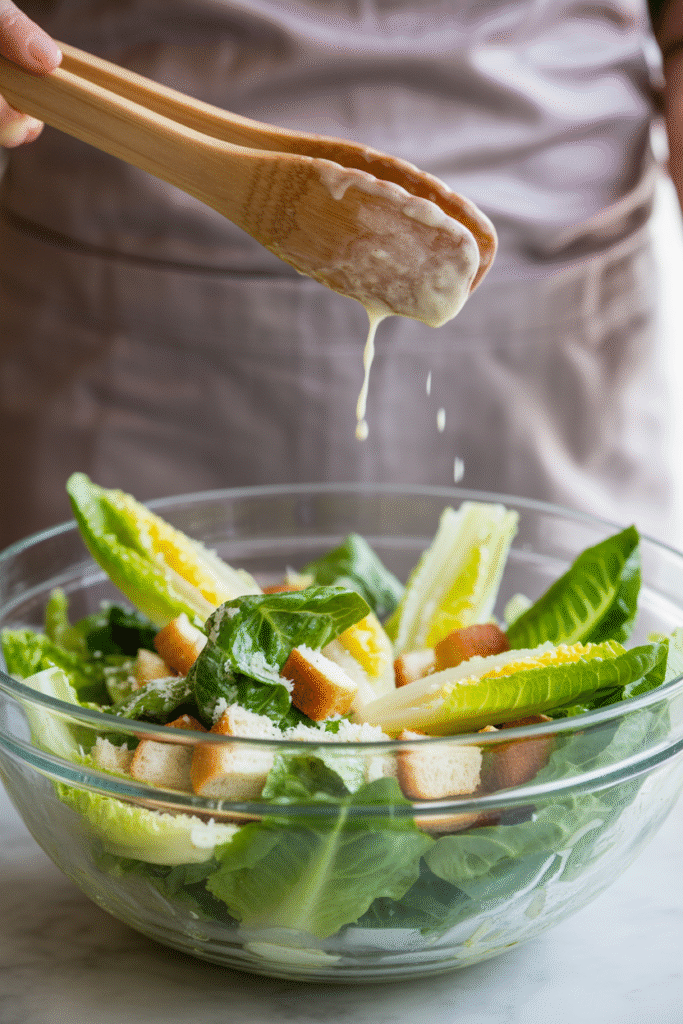
- For a classic restaurant look, serve on chilled plates with a sprinkling of Parmesan and a few croutons artfully placed on top.
- For lunch boxes or meal prep, store the dressing separately and toss just before eating to keep the lettuce crisp.
- For dinner parties, layer the ingredients on a flat platter — lettuce first, followed by croutons, Parmesan curls, and a drizzle of dressing for visual appeal.
A final touch of cracked black pepper and a squeeze of lemon just before serving adds brightness and depth.
Common Mistakes to Avoid
Even a simple dish like Caesar Salad can go wrong if not handled carefully. Here’s what to watch out for:
- Overdressing the salad: Too much dressing can make the lettuce soggy. Start with a small amount and build up.
- Skipping anchovies: They’re essential for authentic umami depth. Even a small amount makes a big difference.
- Using wilted lettuce: The freshness of the greens defines the dish. Always use crisp, chilled leaves.
- Neglecting balance: Caesar Salad is about harmony — creamy, crunchy, salty, and tangy. Taste as you go.
Nutritional Value
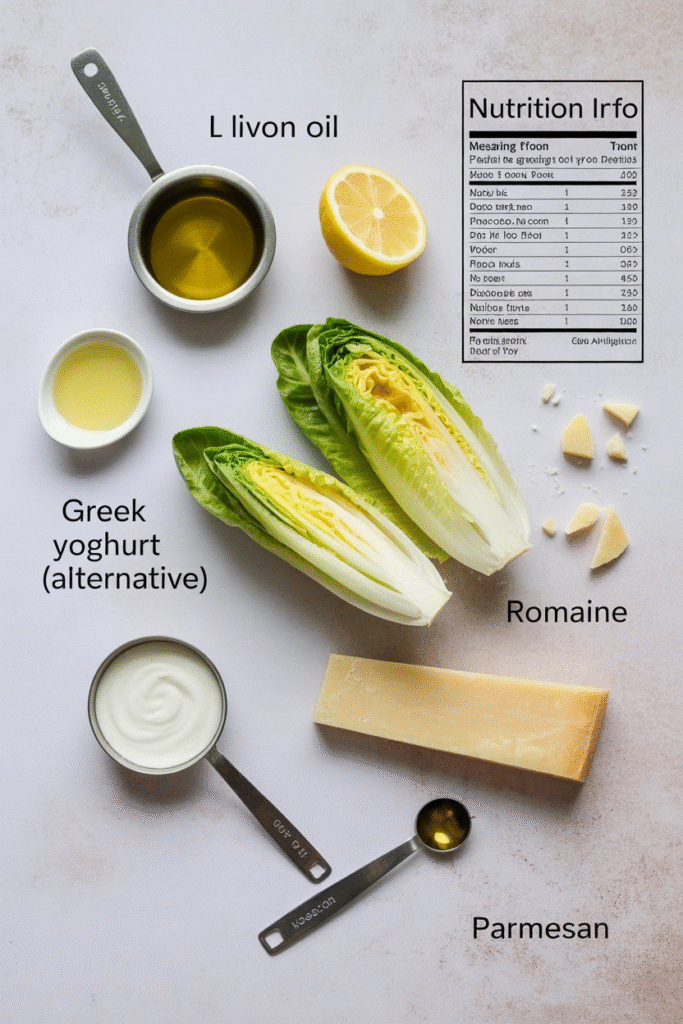
A classic Caesar Salad offers a healthy mix of fats, protein, and fibre, though it’s best enjoyed in moderation due to its rich dressing.
- Calories: ~350–400 per serving
- Protein: 8–10g
- Fats: 25–30g
- Carbohydrates: 10–12g
- Fibre: 3–4g
Opt for Greek yoghurt or olive-oil-based dressings if you want a lighter, heart-healthy version.
Final Thoughts
The Caesar Salad is proof that simplicity, when executed with quality ingredients and balance, can deliver extraordinary flavour. Whether served as a refreshing side or a full meal topped with chicken or prawns, it remains an enduring classic for a reason.
By following this caesar salad recipe and procedure, you can recreate restaurant-quality results right in your own kitchen — crisp, creamy, and utterly delicious every time.