
20 Bakery-Style Dessert Recipes You Can Actually Make at Home
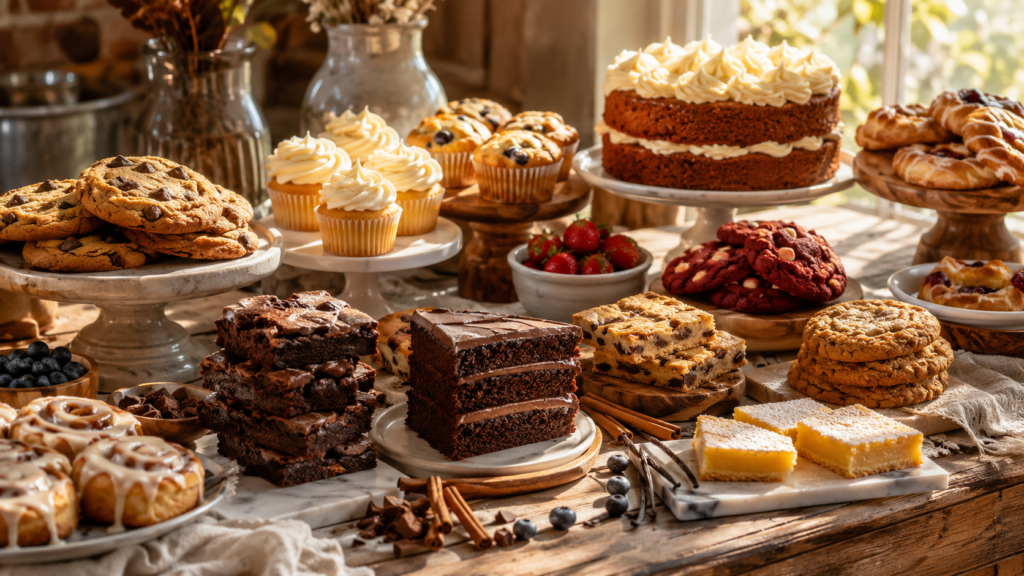
There’s a specific kind of disappointment that comes from baking a “bakery style” cookie at home and pulling out something flat, pale, and sad compared to the glossy, thick, perfectly domed version from your favorite shop. The good news: the gap between home baking and bakery baking usually comes down to a handful of fixable habits, not talent or fancy equipment.
This guide walks through 20 bakery style dessert recipes that recreate that shop-quality look and texture at home, along with the specific techniques that get you there.
What Makes a Dessert Taste “Bakery Style”?
A few things separate bakery desserts from average homemade ones:
- Higher fat and sugar ratios for richer texture and better shelf life
- Chilled dough before baking, which controls spread and deepens flavor
- Underbaking slightly and letting residual heat finish the job, for soft centers
- Weighing ingredients instead of scooping cups, for consistency
- Quality butter and chocolate, since these carry most of the flavor
Keep these five ideas in mind as you work through the recipes below — they apply across almost all of them.
Cookies
1. Thick Bakery-Style Chocolate Chip Cookies
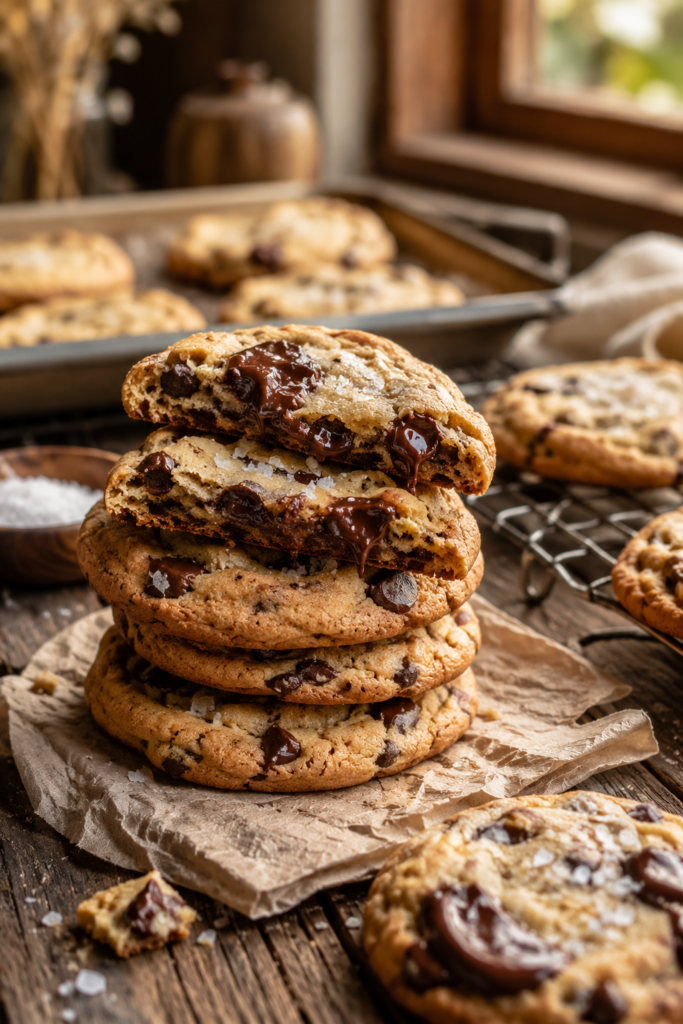
Use a mix of melted and softened butter, chill the dough for at least an hour (ideally overnight), and bake at a slightly higher temperature (375°F/190°C) for a shorter time. Pull them out when the edges are set but the centers still look underdone — they’ll firm up as they cool.
2. Double Chocolate Chunk Cookies
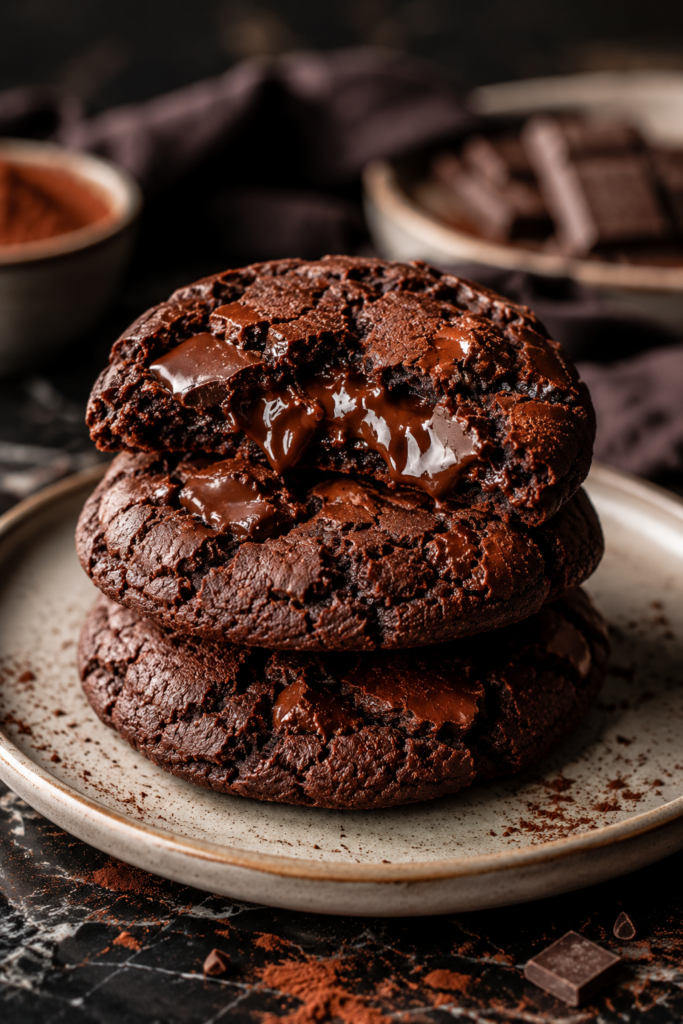
Swap a portion of the flour for cocoa powder and use chopped chocolate bars instead of chips, since chunks melt into pools rather than holding their shape. A pinch of espresso powder deepens the chocolate flavor without adding coffee taste.
3. Oatmeal Chocolate Chip Cookies
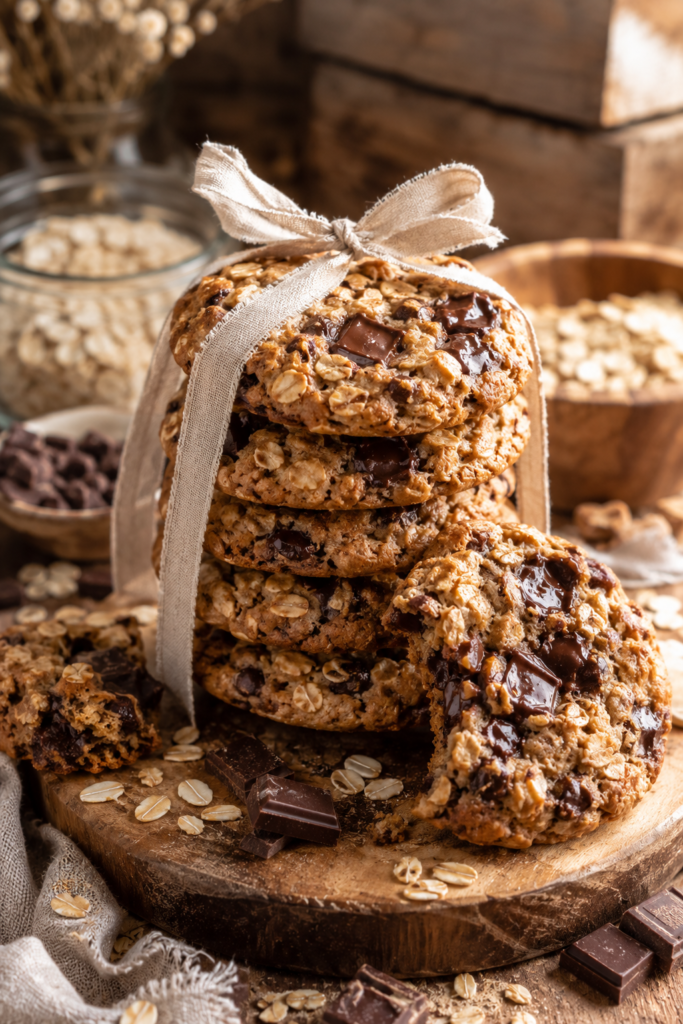
Toast the oats briefly in a dry pan before mixing them in — it adds a nuttier flavor that plain oats don’t have. Brown butter instead of just melted butter takes these from good to genuinely bakery-level.
4. Snickerdoodles
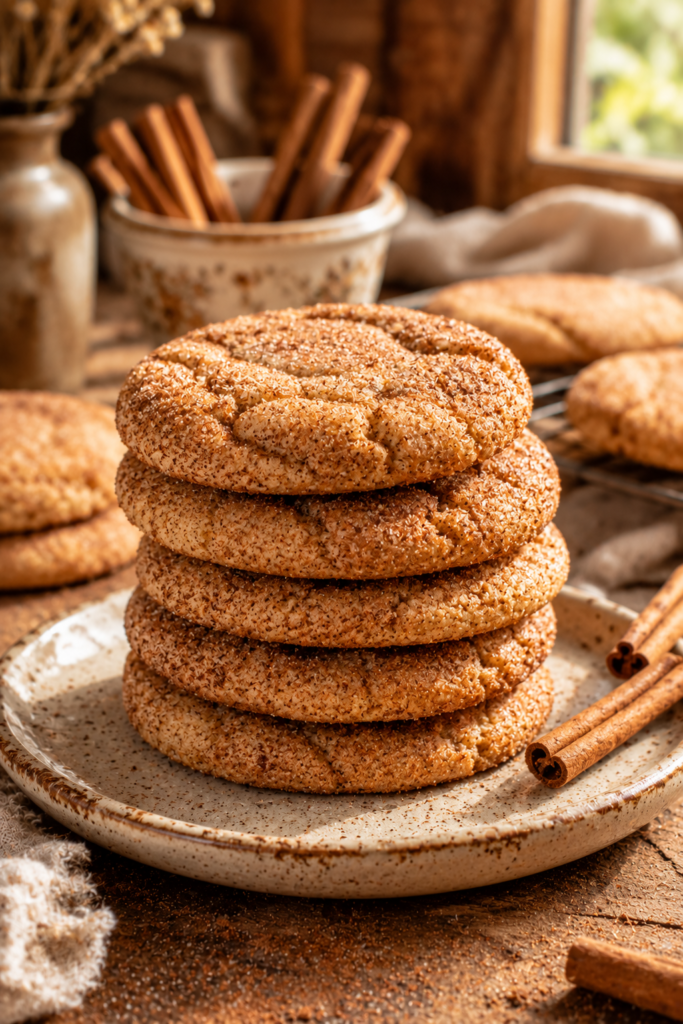
The tang comes from cream of tartar, not just cinnamon sugar. Don’t skip it — it’s what makes a snickerdoodle taste different from a plain sugar cookie.
5. Red Velvet Crinkle Cookies
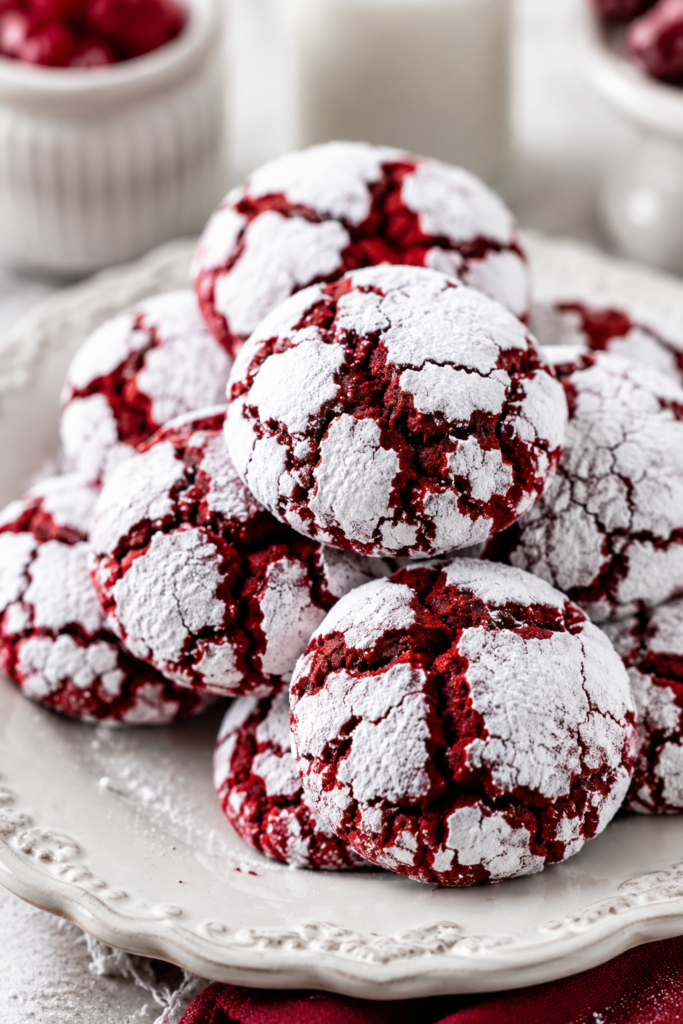
Chill the dough thoroughly before rolling in powdered sugar, or the sugar coating will dissolve into the dough as it bakes instead of staying crackly on top.
Cakes
6. Classic Vanilla Layer Cake
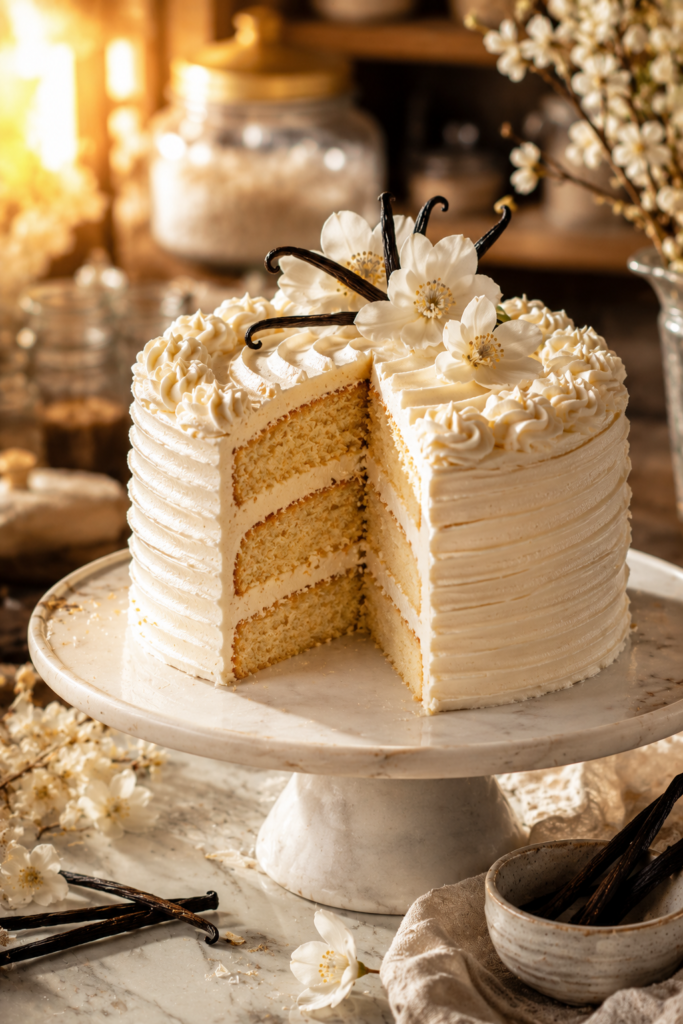
Cream the butter and sugar for a full 3-4 minutes, not 30 seconds — this is where the light, tender crumb comes from. Use cake flour if you have it; it has less protein than all-purpose and produces a softer texture.
7. Moist Chocolate Cake
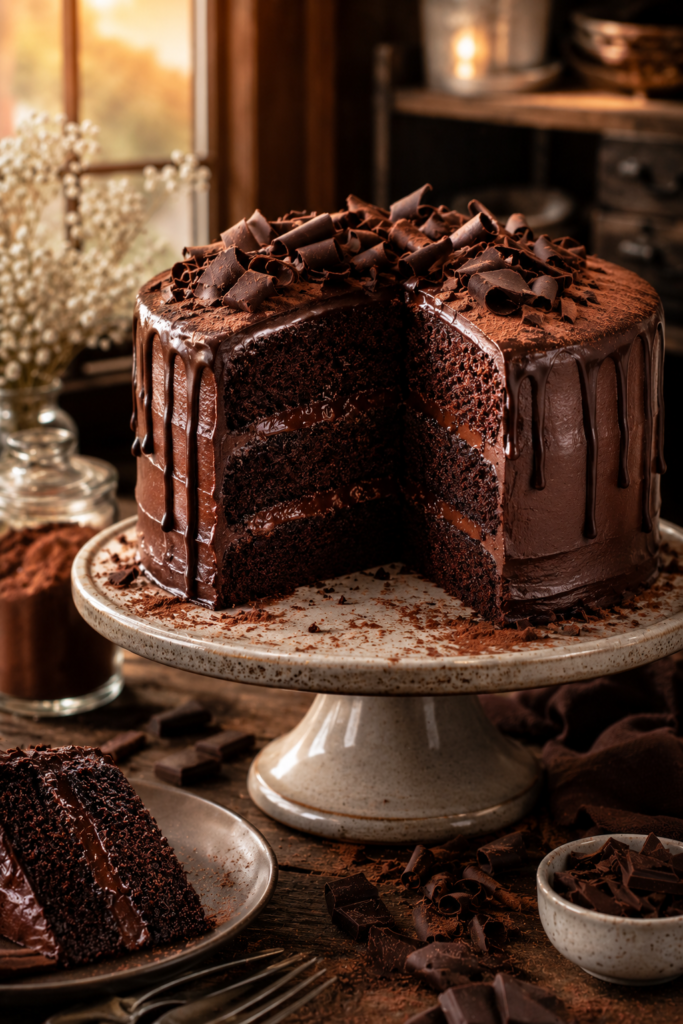
Adding hot coffee to chocolate cake batter isn’t a gimmick — it blooms the cocoa powder and intensifies the chocolate flavor without making the cake taste like coffee.
8. Carrot Cake with Cream Cheese Frosting
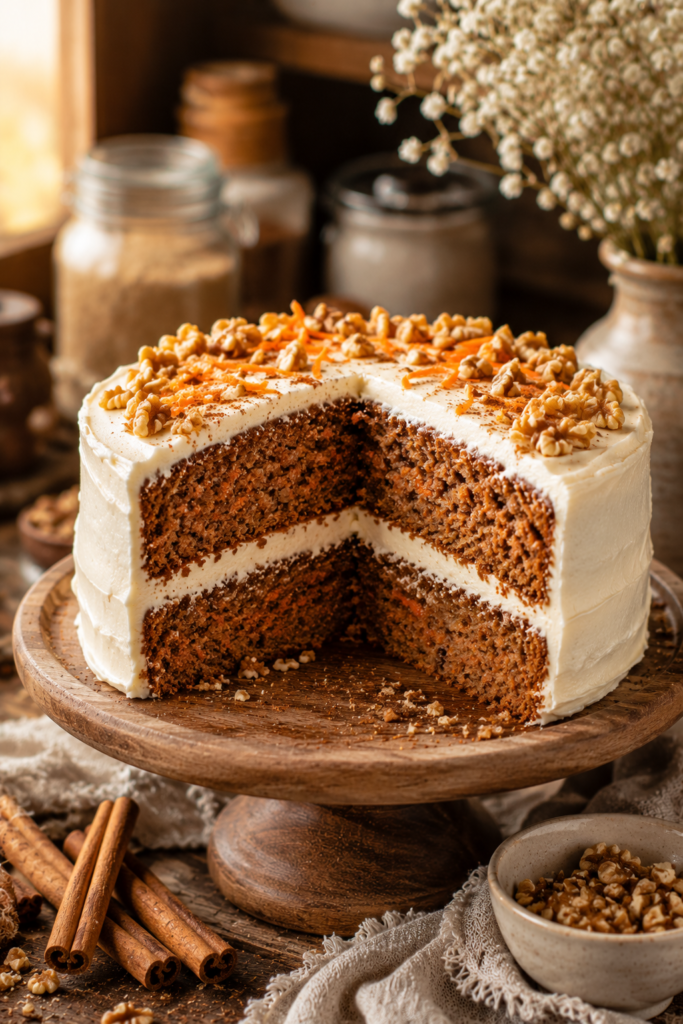
Grate the carrots finely rather than using pre-shredded bagged carrots, which tend to be too dry and coarse. Toast the walnuts or pecans before folding them in.
9. Red Velvet Cake
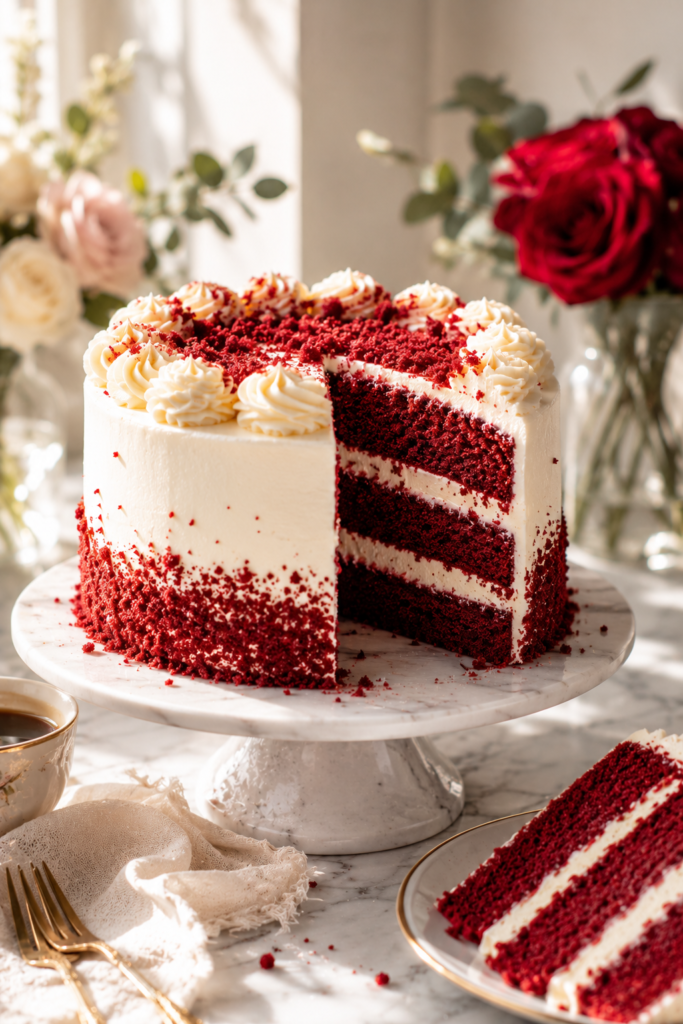
Buttermilk and a small amount of vinegar activate the baking soda and give red velvet its characteristic tender, slightly tangy crumb.
10. Lemon Pound Cake
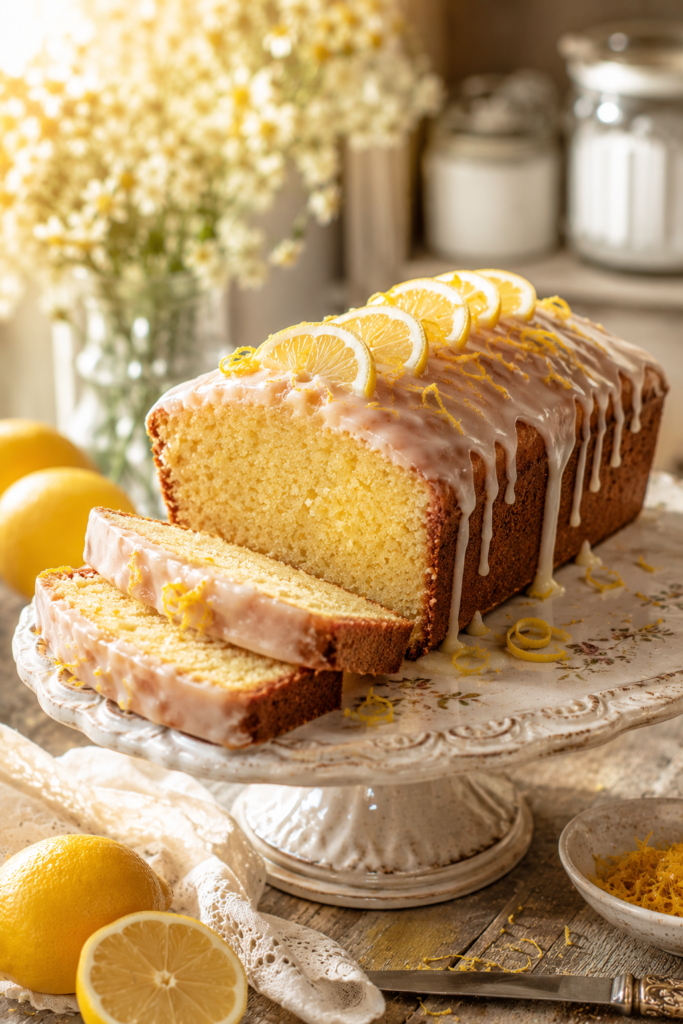
Zest the lemons directly into the sugar and rub them together with your fingers before creaming — this releases the citrus oils and distributes flavor far more evenly than just tossing zest in later.
Cupcakes and Muffins
11. Vanilla Bean Cupcakes
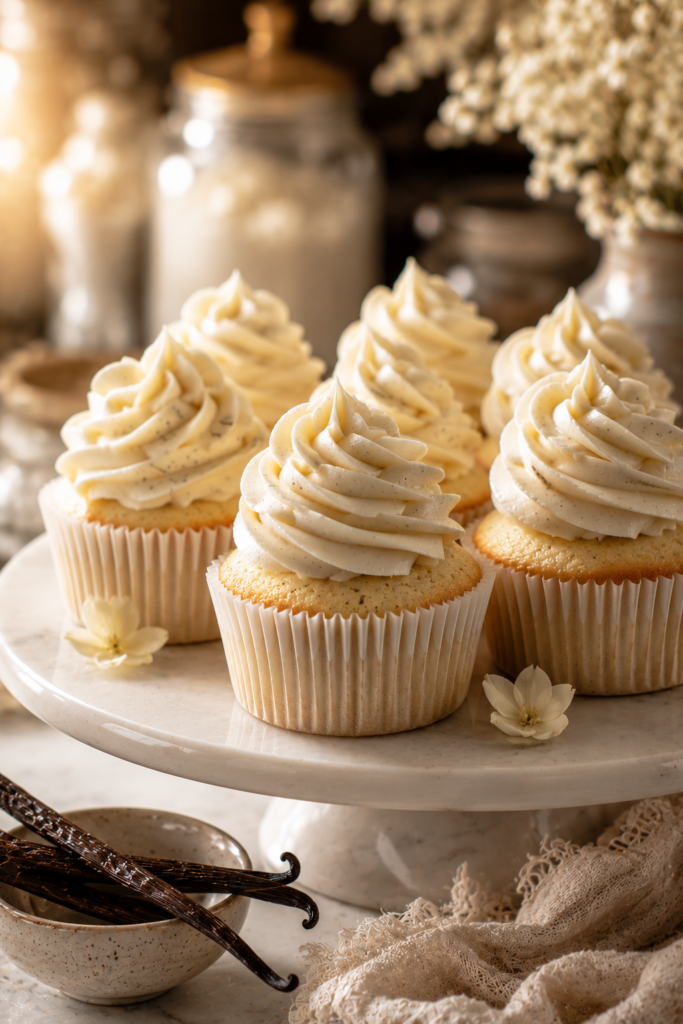
Fill liners only two-thirds full for a proper dome, and resist opening the oven door in the first 15 minutes, which can cause cupcakes to sink in the middle.
12. Chocolate Cupcakes with Ganache Frosting
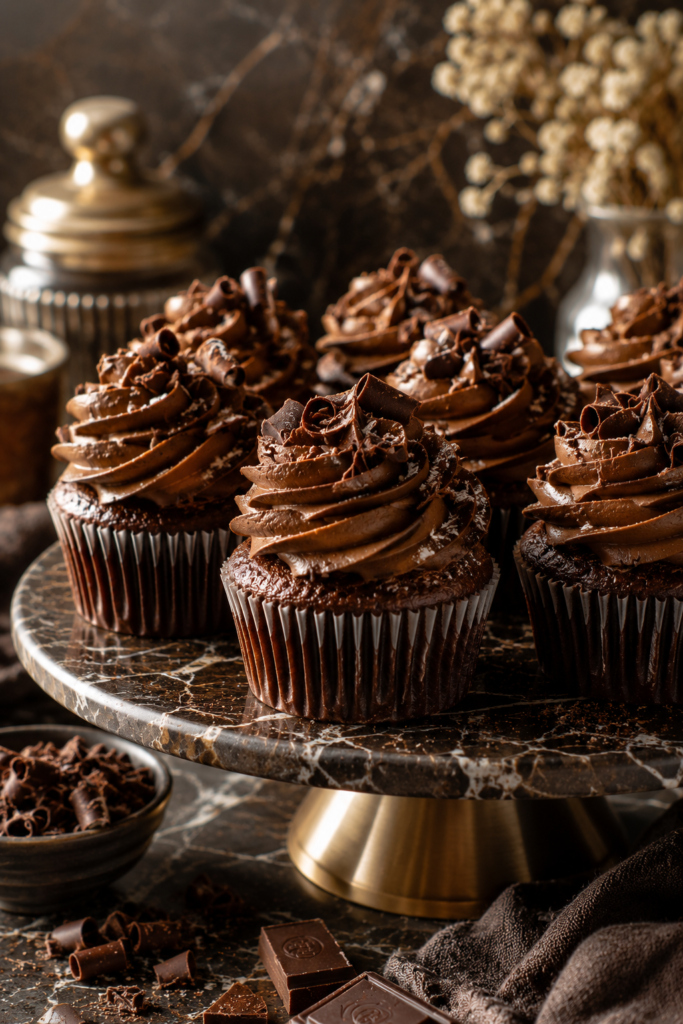
A ganache frosting (chocolate and hot cream, cooled and whipped) gives a glossier, more professional finish than a standard buttercream.
13. Blueberry Muffins with Streusel Topping
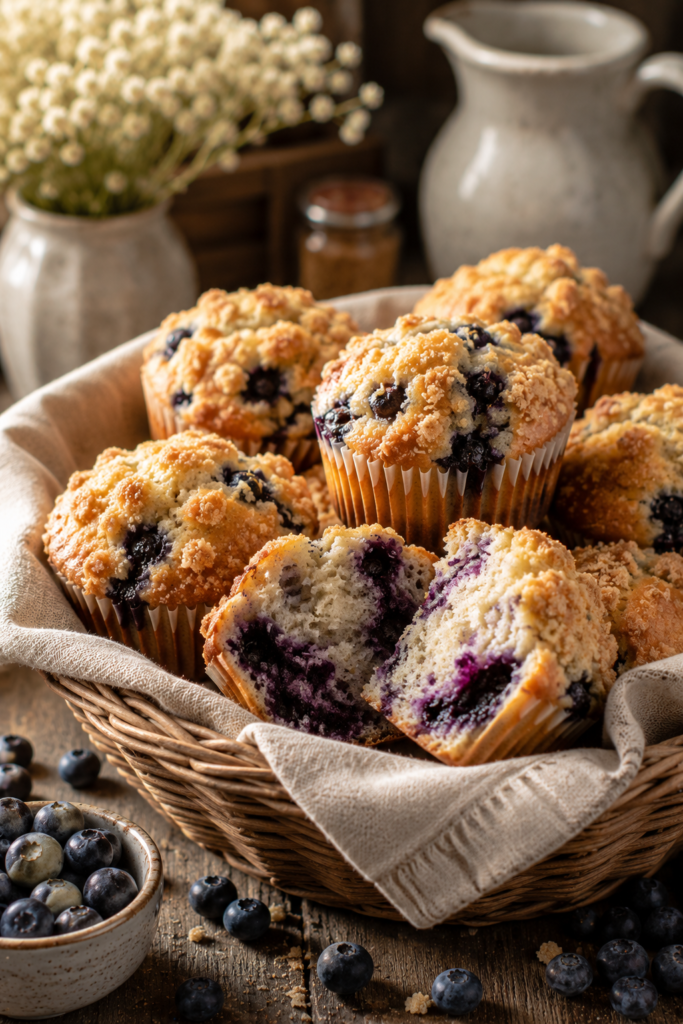
Toss fresh blueberries in a spoonful of flour before folding them into the batter so they don’t all sink to the bottom.
14. Banana Nut Muffins
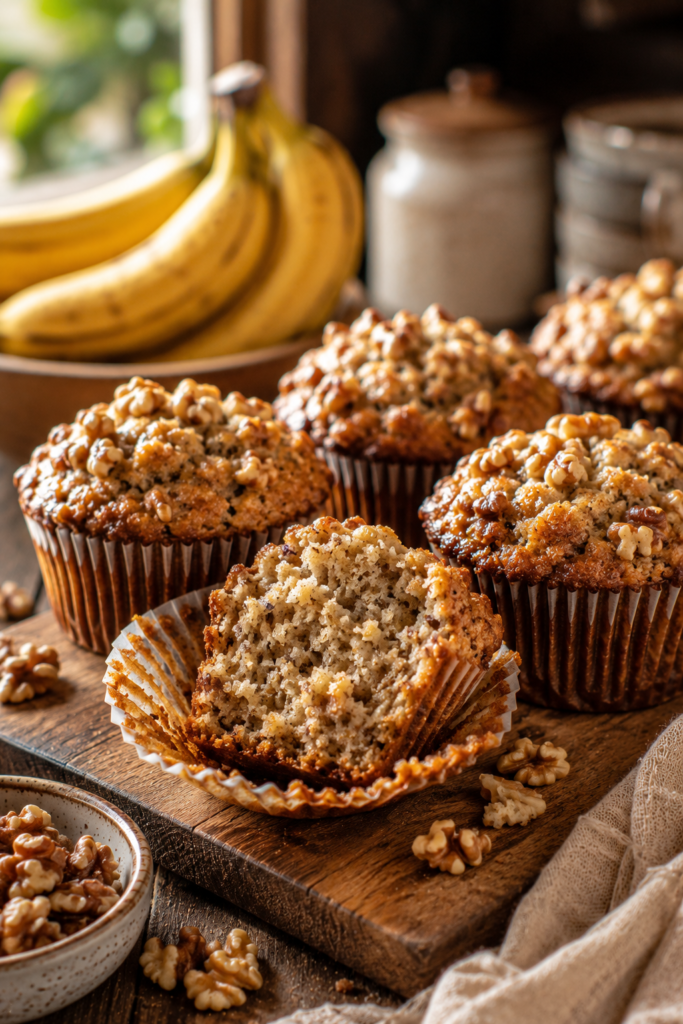
Use overripe, almost-black bananas — the extra sugar development makes a real difference in sweetness and moisture.
Bars and Brownies
15. Fudgy Bakery-Style Brownies
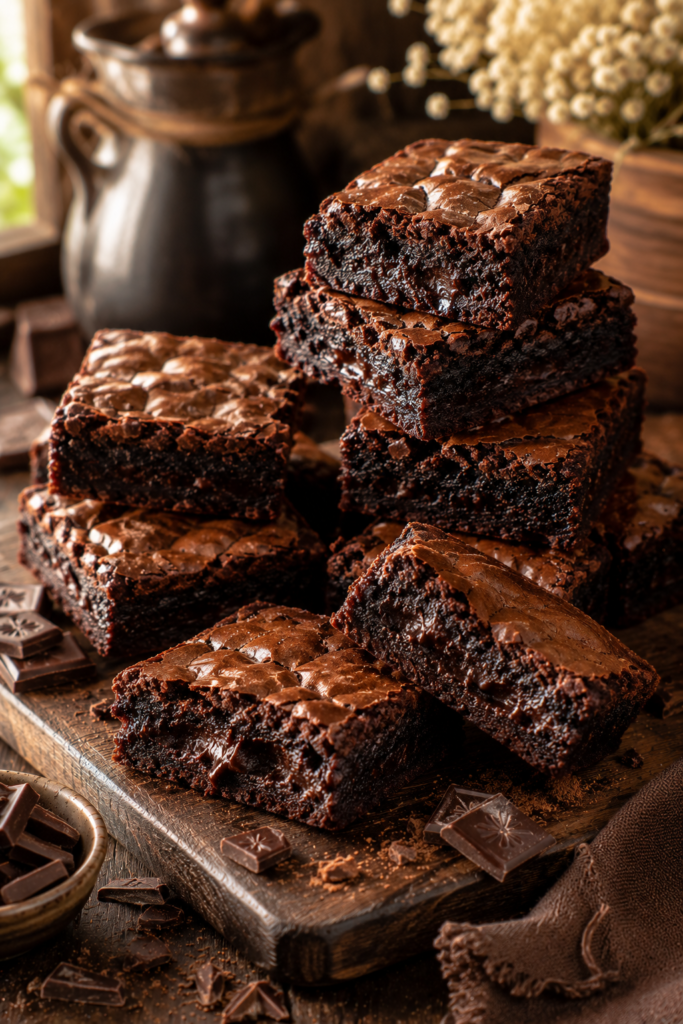
Use a higher ratio of chocolate to flour, and don’t overbeat the eggs into the batter — overmixing incorporates too much air and pushes brownies toward cakey instead of fudgy.
16. Blondies
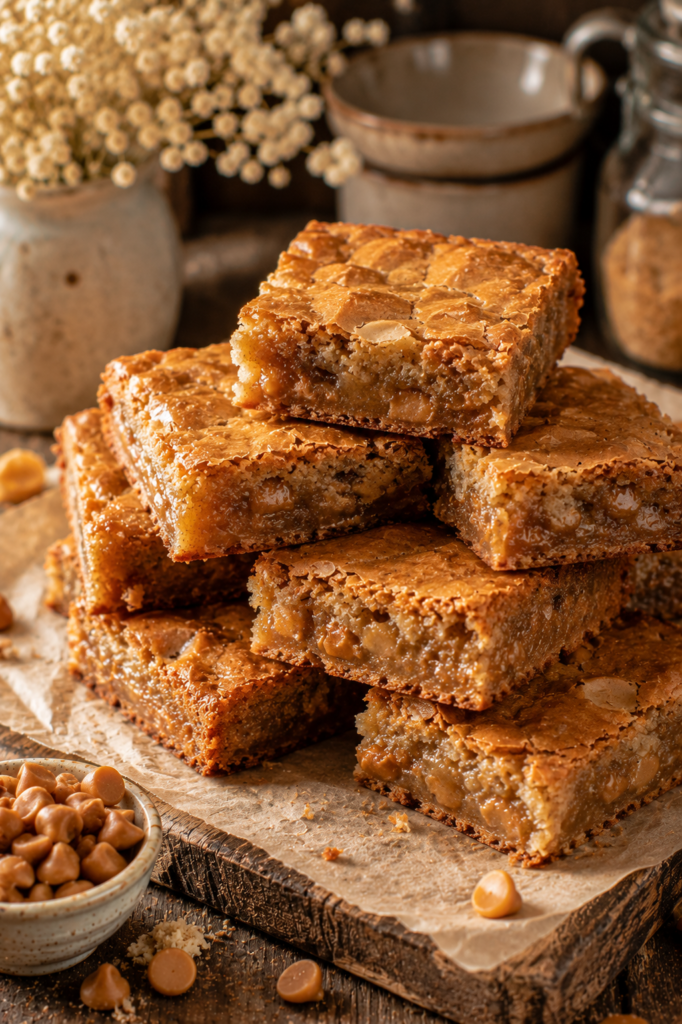
Brown butter and dark brown sugar (instead of white) give blondies a caramel, almost butterscotch depth.
17. Lemon Bars
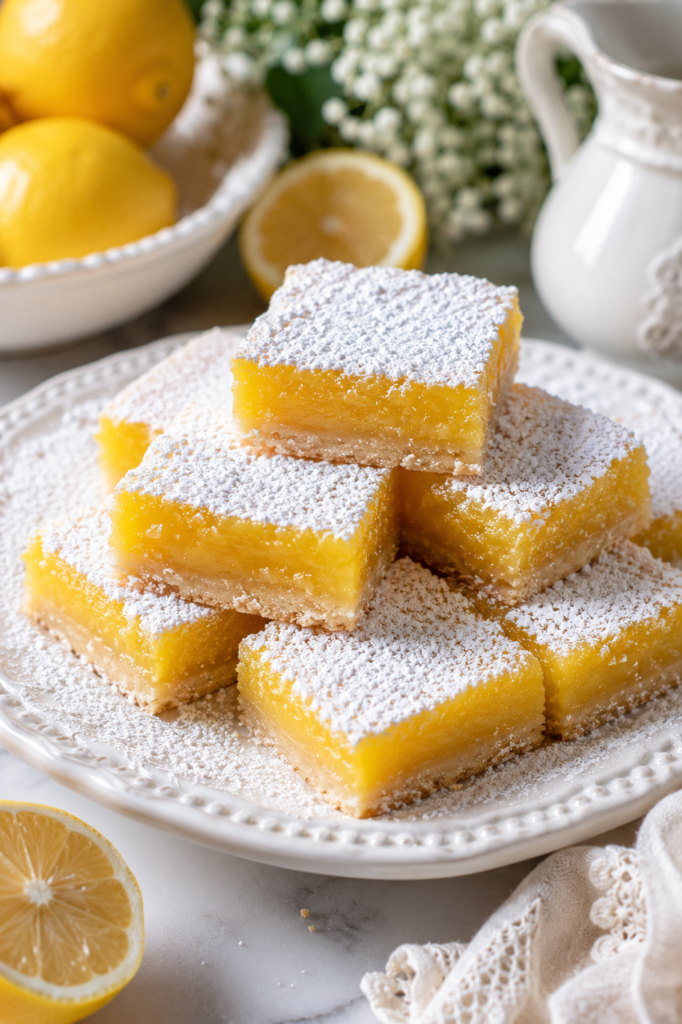
Bake the shortbread base until it’s just past pale gold before adding the filling, or the bottom layer will turn soggy once the lemon curd goes in.
18. Seven-Layer Bars
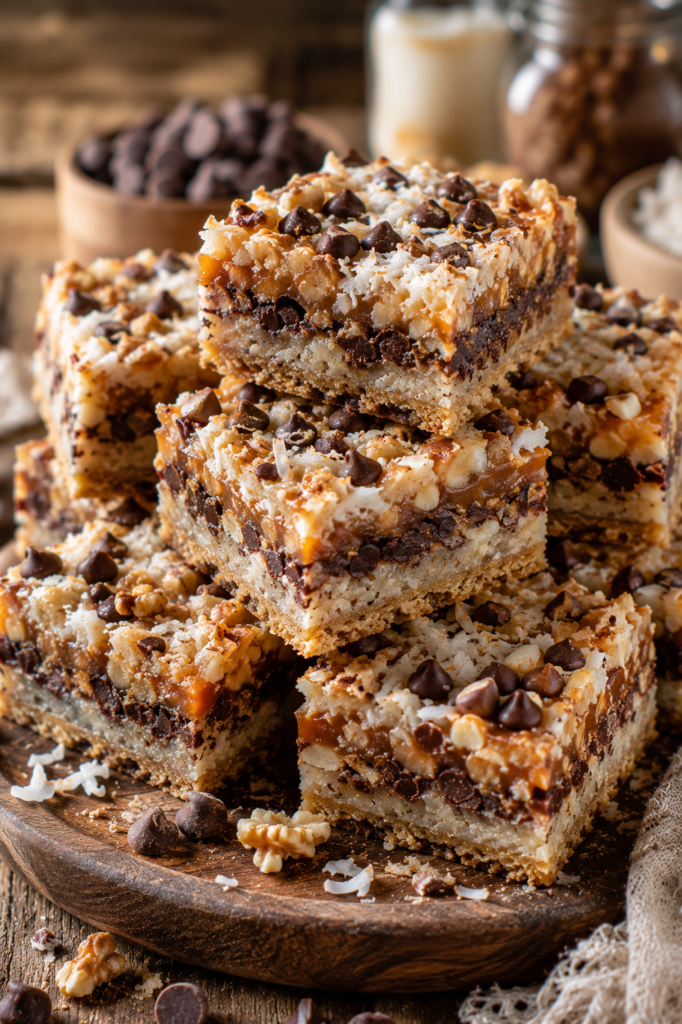
Layer the ingredients in the order the recipe specifies — it affects how everything sets and melts together.
Pastries
19. Cinnamon Rolls
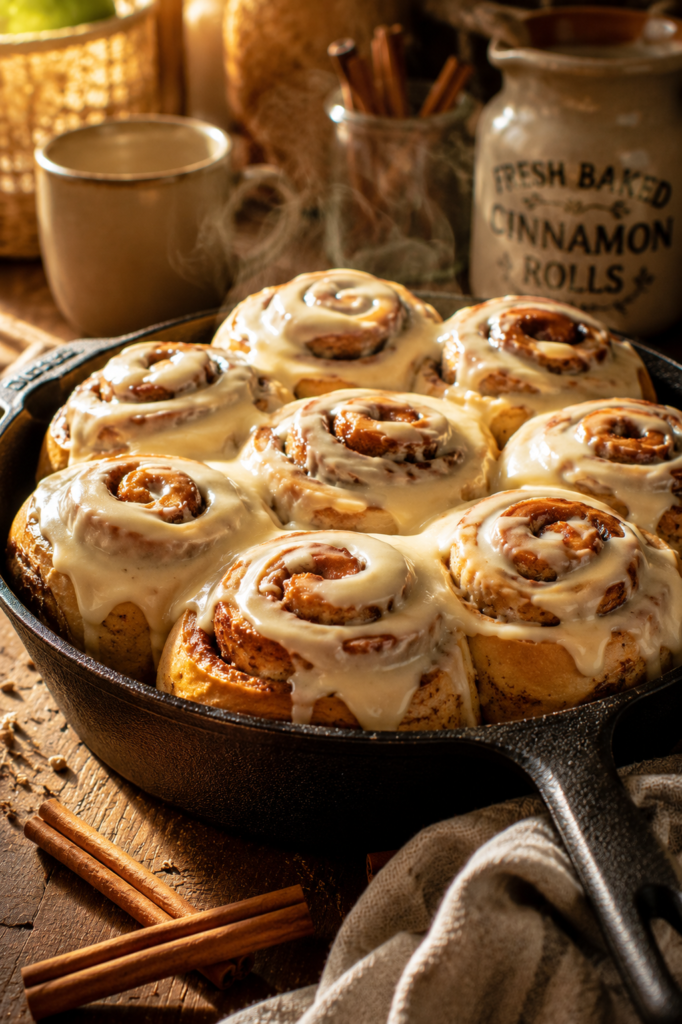
An overnight, cold-proof in the fridge (rather than rushing the rise at room temperature) develops more flavor and makes the dough easier to handle in the morning.
20. Croissant-Style Danish (Shortcut Version)
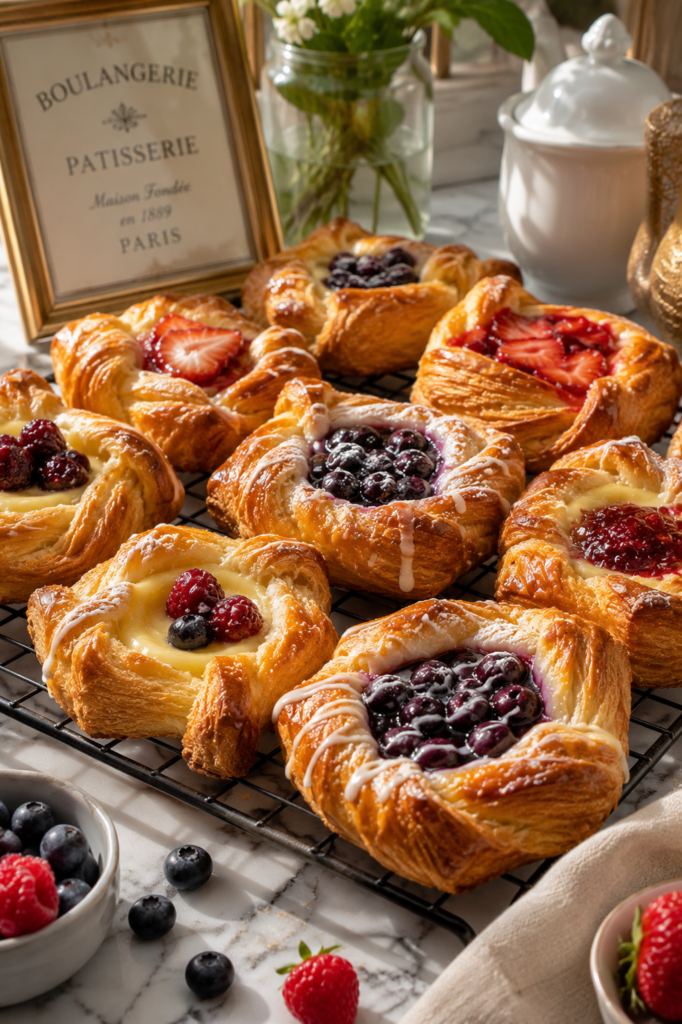
Using store-bought puff pastry as a base is a completely legitimate shortcut for home bakers — the trick to a bakery look is a proper egg wash and a hot oven (400°F/200°C) for a strong initial rise.
Frequently Asked Questions
Why do bakery desserts taste richer than homemade ones? Bakeries typically use more butter, more sugar, and higher-fat ingredients like European-style butter or heavy cream than most home recipes call for. Restaurant and bakery supply versions of butter also often have a higher fat percentage than standard grocery store butter.
Do I need a stand mixer to get bakery-quality results? No. A hand mixer works fine for creaming butter and sugar or whipping cream; you just need slightly more time and patience than a stand mixer would take.
Why did my cookies spread too thin? The most common causes are butter that was too warm, skipping the chilling step, or an oven that runs cooler than its display shows. An oven thermometer is a cheap fix for the last issue.
Can I freeze bakery-style desserts? Most of these freeze well, especially cookie dough (frozen in portioned balls), unfrosted cake layers, and brownies. Wrap tightly in plastic wrap and then foil to prevent freezer burn.
What’s the difference between Dutch-process and natural cocoa powder? Natural cocoa is acidic and pairs with baking soda; Dutch-process is alkalized and pairs better with baking powder. Swapping one for the other without adjusting the leavening can affect rise and flavor.
Why weigh ingredients instead of using cups? A cup of flour can vary by as much as 20-25% depending on how it’s scooped and packed, which is enough to noticeably change texture. A kitchen scale removes that variability.
A Few Closing Thoughts
None of these recipes require professional equipment or years of pastry school. The recurring themes — chilling dough, weighing ingredients, using good butter and chocolate, and resisting the urge to overbake — show up again and again because they’re the actual mechanics behind that “bakery” quality, not marketing language.
Pick one or two techniques from this list to focus on first (chilling dough and using a scale are the highest-impact, lowest-effort changes) rather than trying to overhaul your whole baking process at once.