
24 Food Garnishing Ideas That Turn Ordinary Plates Into Showstoppers
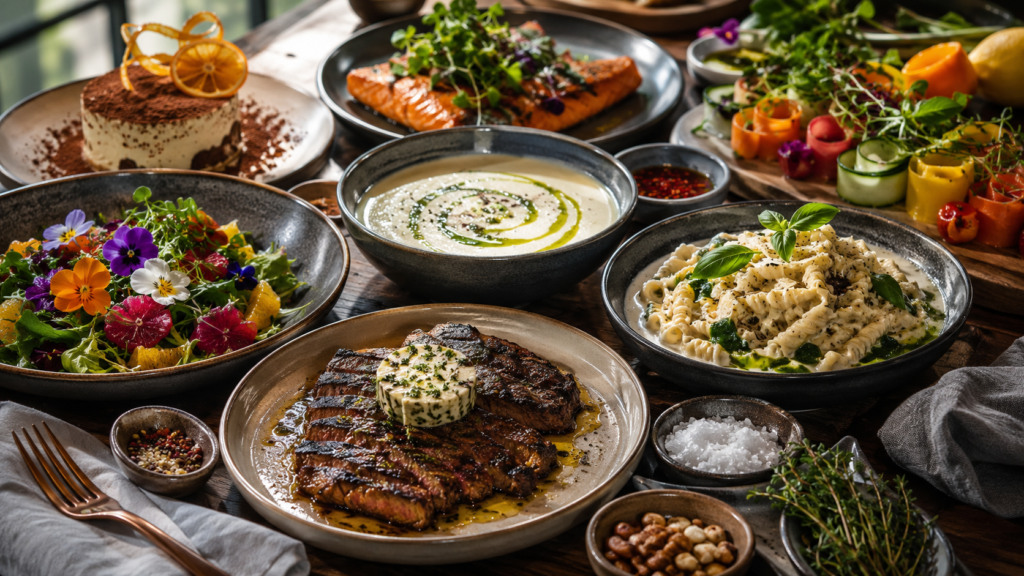
You’ve spent an hour on a dish. The flavors are balanced, the technique is solid, the plate is hot and ready to go. And then it hits the table looking… flat. No height, no color contrast, nothing to catch the eye before the fork does.
That’s the garnish gap. It’s the single most overlooked step in home cooking, and it’s also the cheapest, fastest fix available. A garnish rarely costs more than a few cents of extra ingredients, but it changes how a dish is perceived before anyone tastes it. Restaurants know this. It’s why a $14 pasta dish and a $34 pasta dish can use nearly identical ingredients but look worlds apart on the plate.
This guide covers 24 practical food garnishing ideas, organized by category, so you can match the right finishing touch to the right dish whether you’re plating a weeknight dinner or setting up a table for guests.
Why Garnishing Matters More Than You Think
Garnish isn’t decoration for decoration’s sake. Good garnishing does three things at once:
- It signals freshness. A scatter of chopped herbs or a citrus twist tells the eye “this was just finished,” even if the base dish was made an hour earlier.
- It adds a missing flavor note. The best garnishes aren’t purely visual — a squeeze of lime, a pinch of flaky salt, or a drizzle of chili oil rounds out a dish’s flavor profile.
- It creates contrast. Color, texture, and height break up a plate visually, which is why a single sprig of parsley laid flat does far less work than a small pile of finely chopped herbs mounded with some volume.
Keep those three goals in mind as you go through the ideas below, and you’ll naturally start choosing garnishes that work rather than ones that just sit on top.
Herb-Based Garnishes
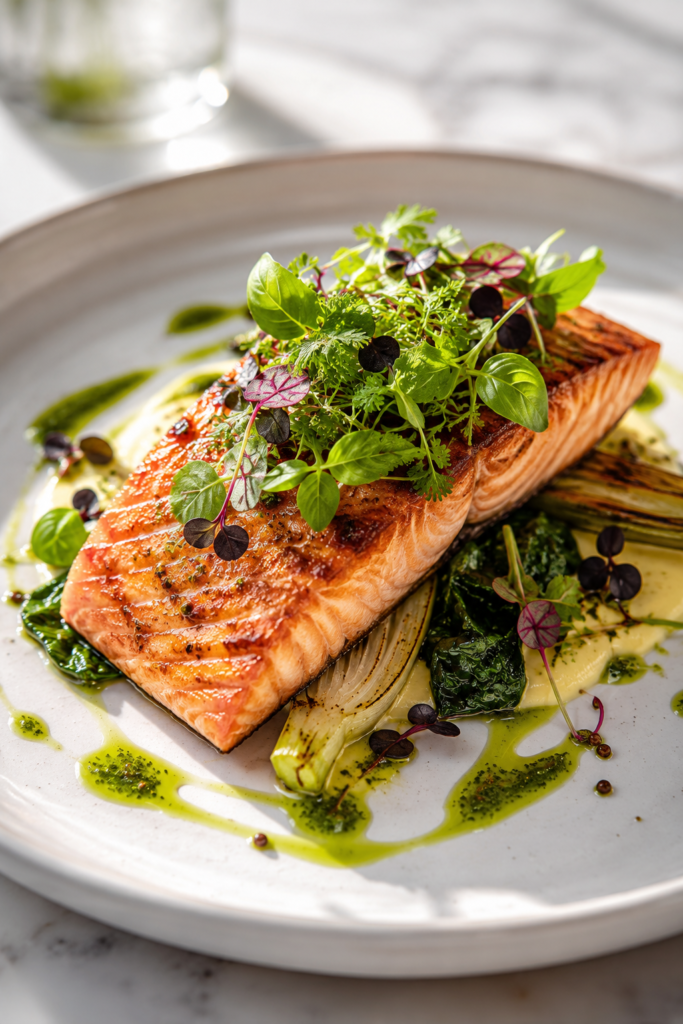
1. Micro herbs. Tiny, tender versions of herbs like basil, cilantro, or amaranth. They’re delicate, visually elegant, and add a burst of flavor without overwhelming the dish. Best for refined plates — soups, seared proteins, plated appetizers.
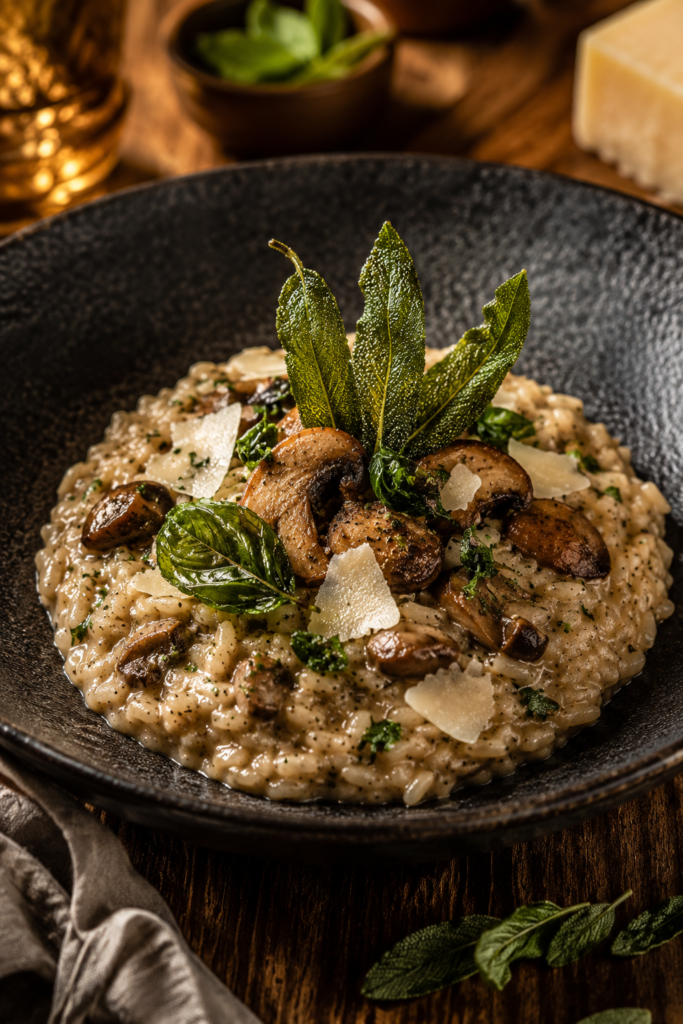
2. Fried herb leaves. Quickly frying sage, basil, or curry leaves in hot oil for a few seconds turns them crisp and intensifies their flavor. Great on risottos, pastas, and roasted vegetables.
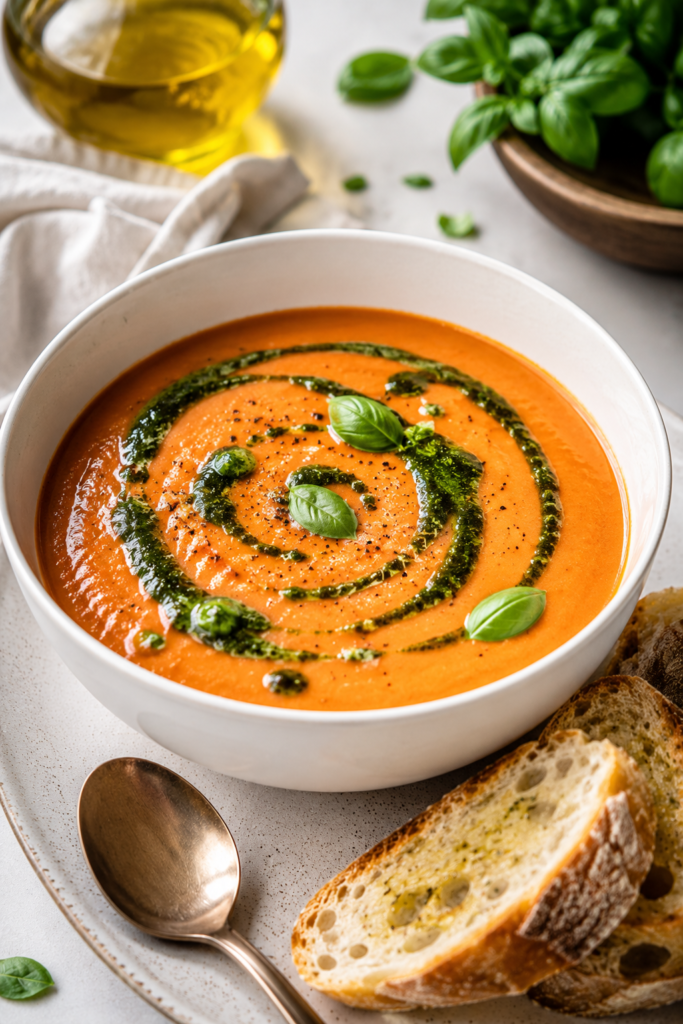
3. Herb oil drizzle. Blend a handful of parsley, basil, or chives with neutral oil, strain, and drizzle in a thin line or dots around the plate. This adds color contrast and a clean herbal flavor without adding bulk.
4. Chiffonade ribbons. Stack herb leaves like basil or mint, roll them tightly, and slice into thin ribbons. The ribbons unfurl slightly when scattered, giving more visual texture than roughly chopped herbs.
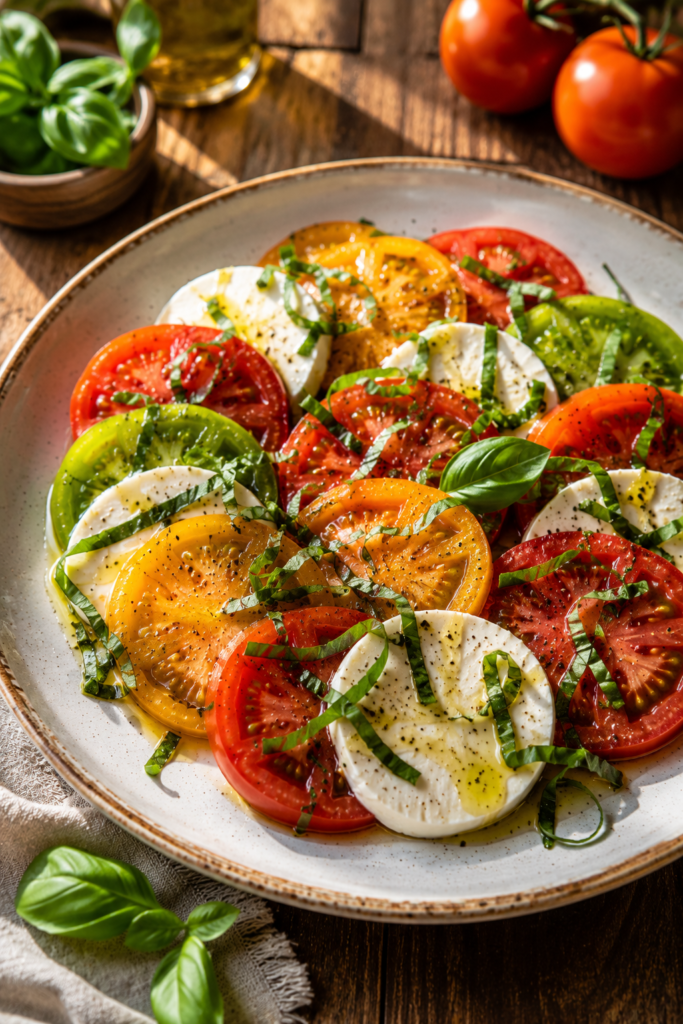
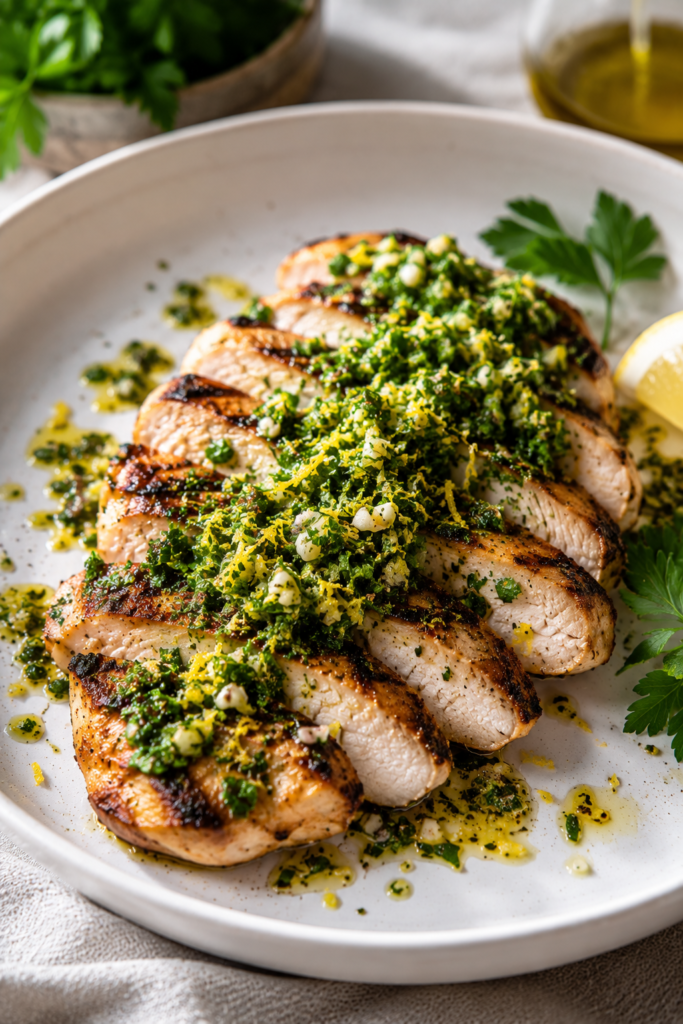
5. Herb and citrus zest mix. Combine finely chopped herbs with citrus zest (lemon, lime, or orange) for a gremolata-style topping. This works especially well on braises, grilled meats, and roasted fish.
Citrus and Acid-Based Garnishes
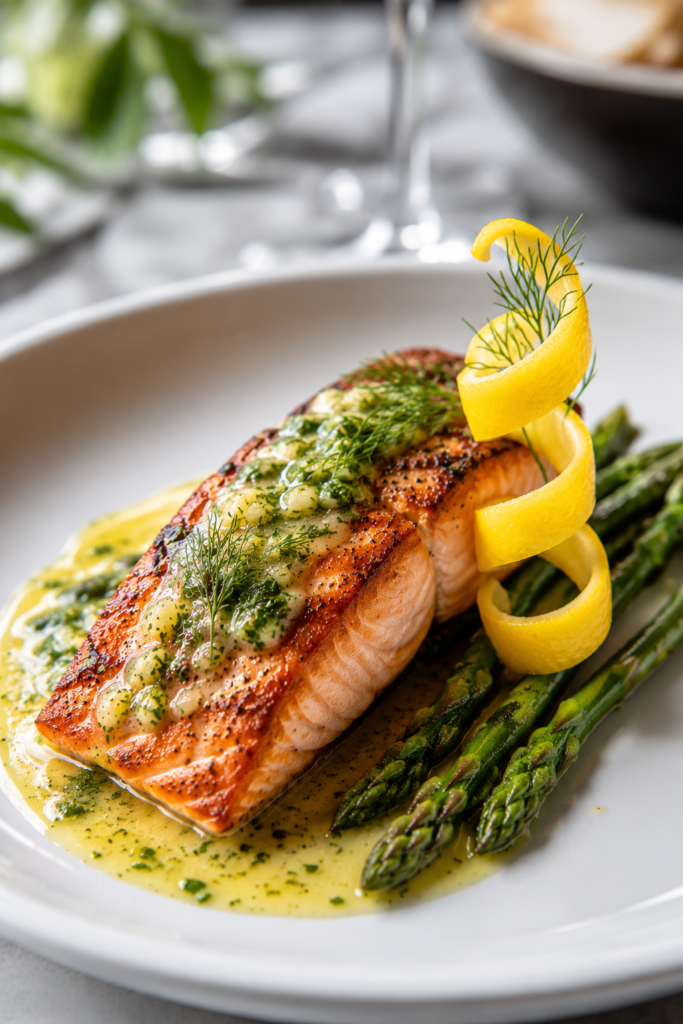
6. Citrus twists and curls. A thin strip of peel twisted into a curl adds height and a pop of color to cocktails, desserts, and seafood dishes.
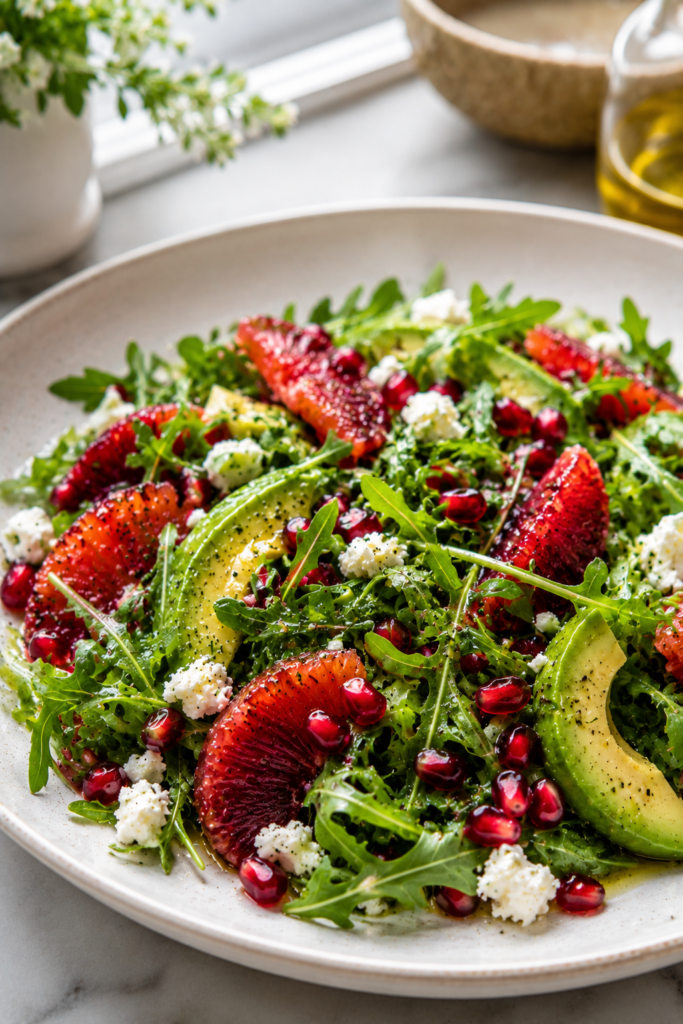
7. Supreme segments. Cutting citrus into clean, membrane-free segments (rather than wedges) gives a cleaner, more refined look and avoids the mess of seeds and pith. Ideal for salads and plated desserts.
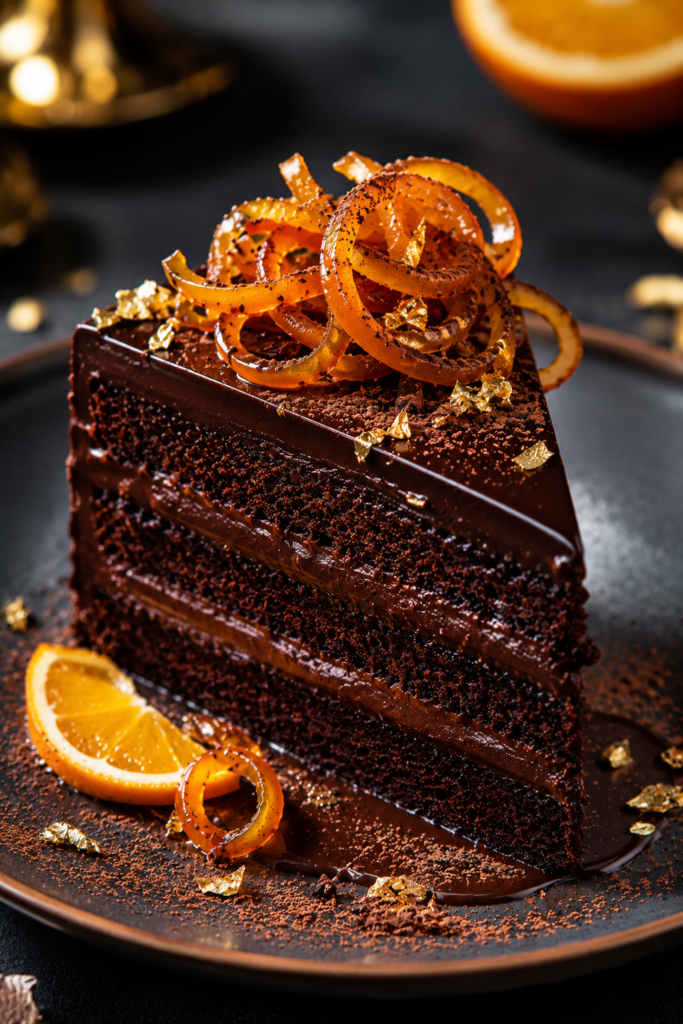
8. Candied citrus peel. Simmering peel in sugar syrup until translucent creates a sweet, slightly chewy garnish that works beautifully on cakes, tarts, and rich savory dishes that need a sweet counterpoint.
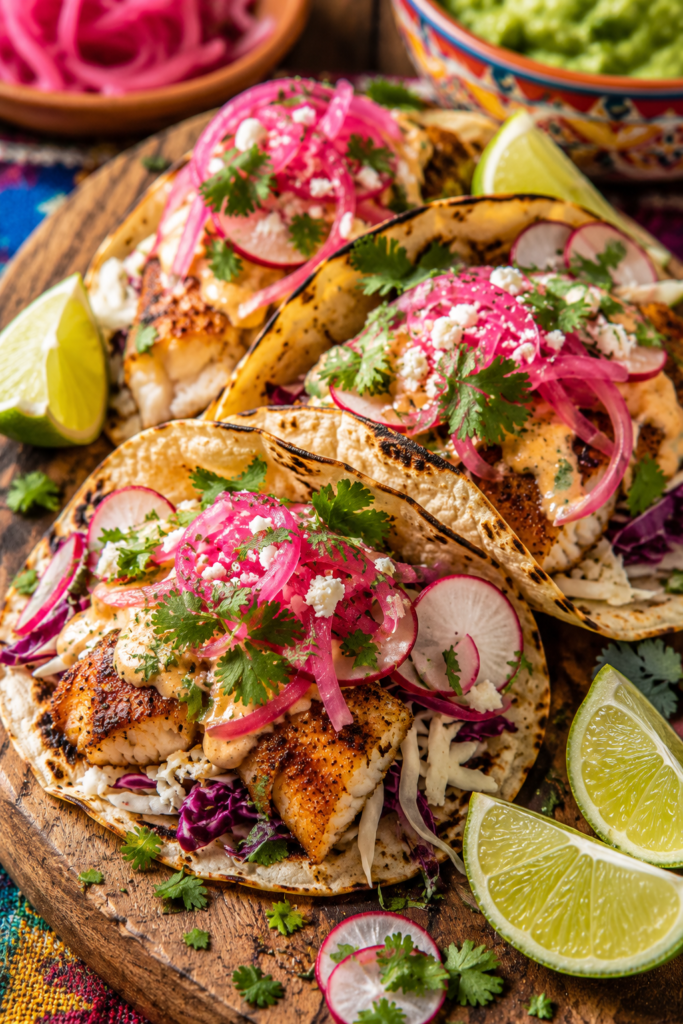
9. Pickled quick-pickles. Thin slices of onion, radish, or fennel quick-pickled in vinegar, sugar, and salt add acidity, crunch, and a bright pink or white color contrast. Excellent on tacos, sandwiches, and rich braised dishes.
Crunch and Texture Garnishes
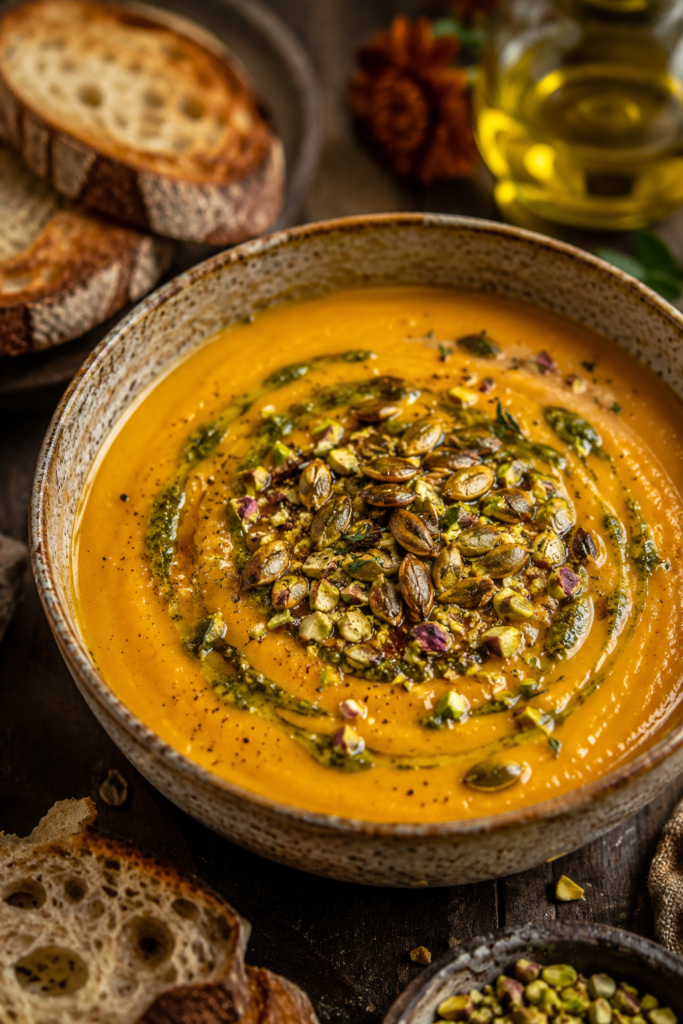
10. Toasted nuts and seeds. Toasted pine nuts, pistachios, sesame seeds, or pumpkin seeds add crunch and a warm, nutty aroma. Roughly chop larger nuts so they scatter more evenly across the plate.
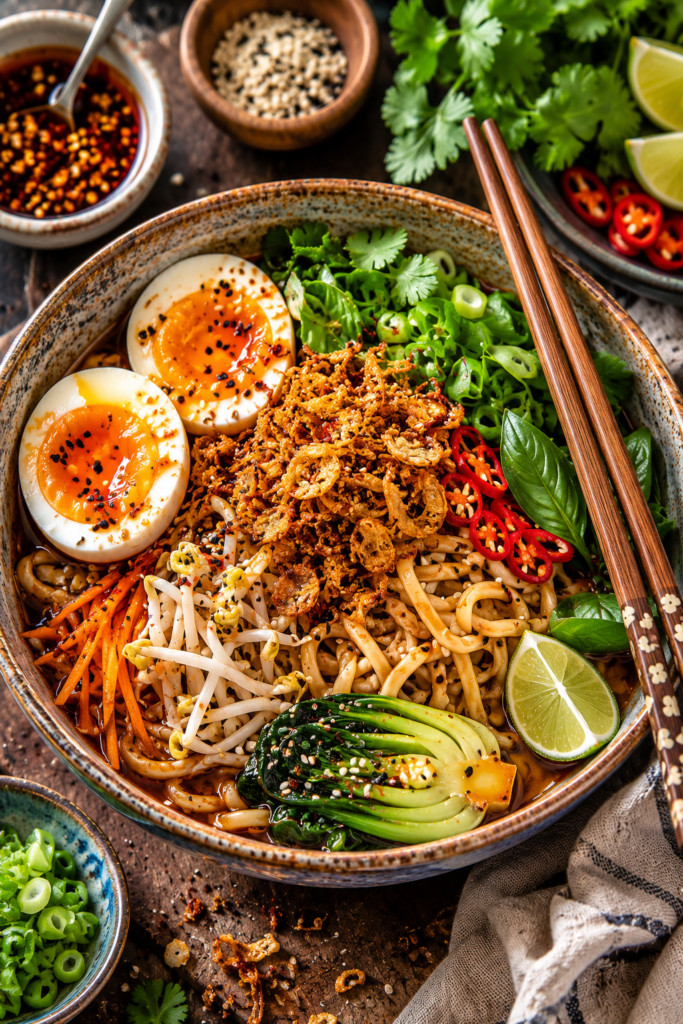
11. Crispy shallots or fried onions. Thin-sliced shallots or onions fried until golden and crisp add texture and a savory-sweet flavor. This is a classic finishing touch on noodle dishes, rice bowls, and green bean casseroles.
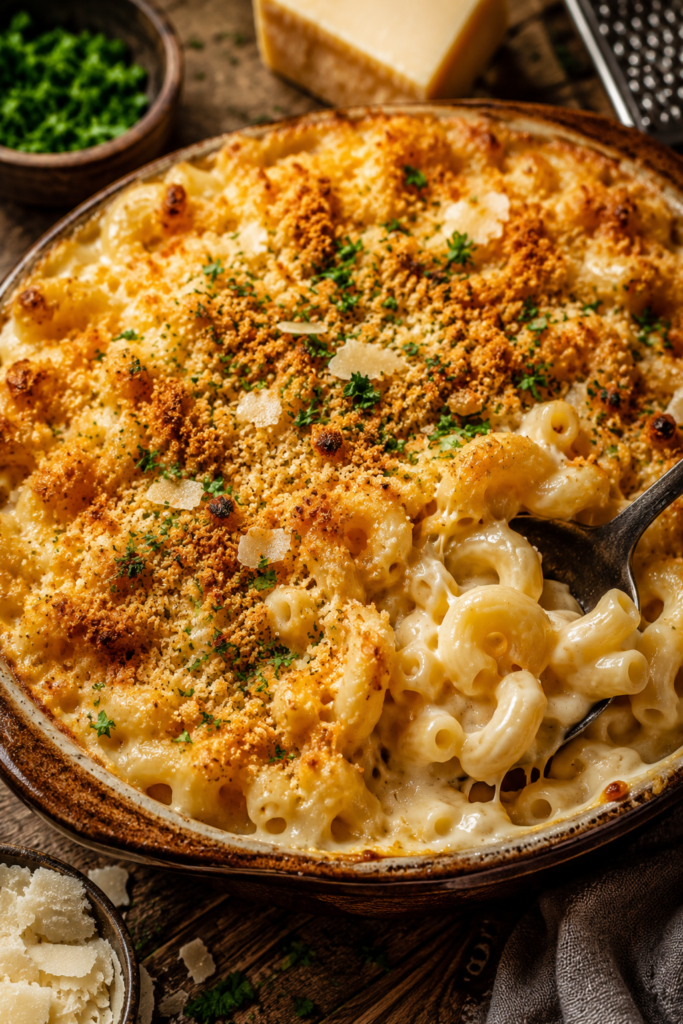
12. Panko or breadcrumb crumble. Toasted breadcrumbs, sometimes mixed with herbs or lemon zest, add crunch to soft dishes like pasta, mac and cheese, or baked fish.
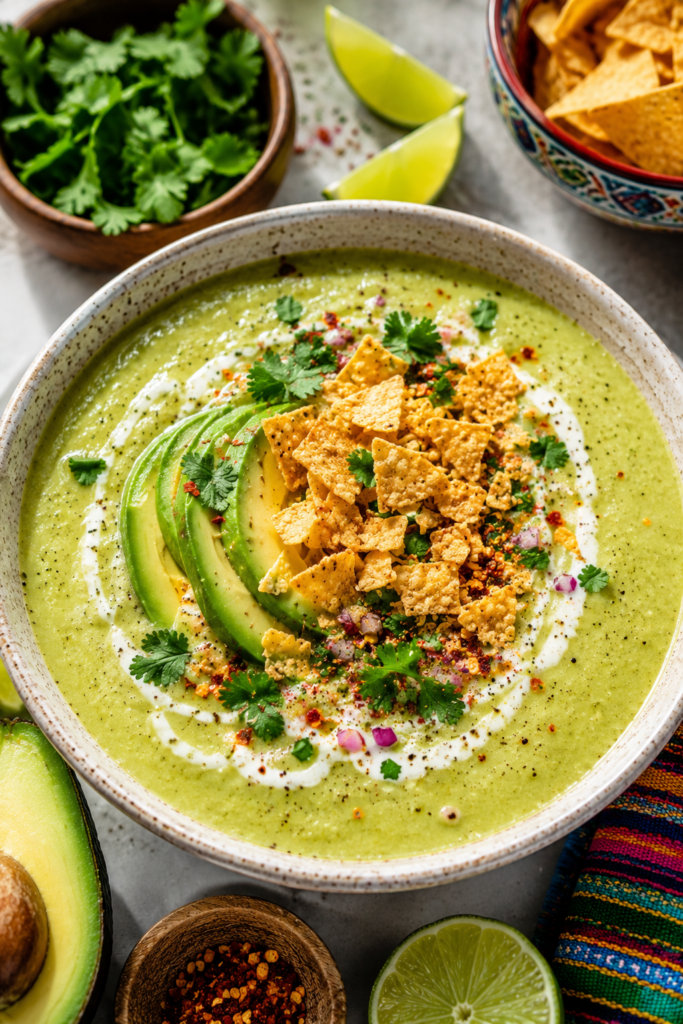
13. Crushed chips or crackers. A small pile of crushed tortilla chips, crackers, or even potato chips can add textural contrast to soups, dips, and salads without needing any technical skill.
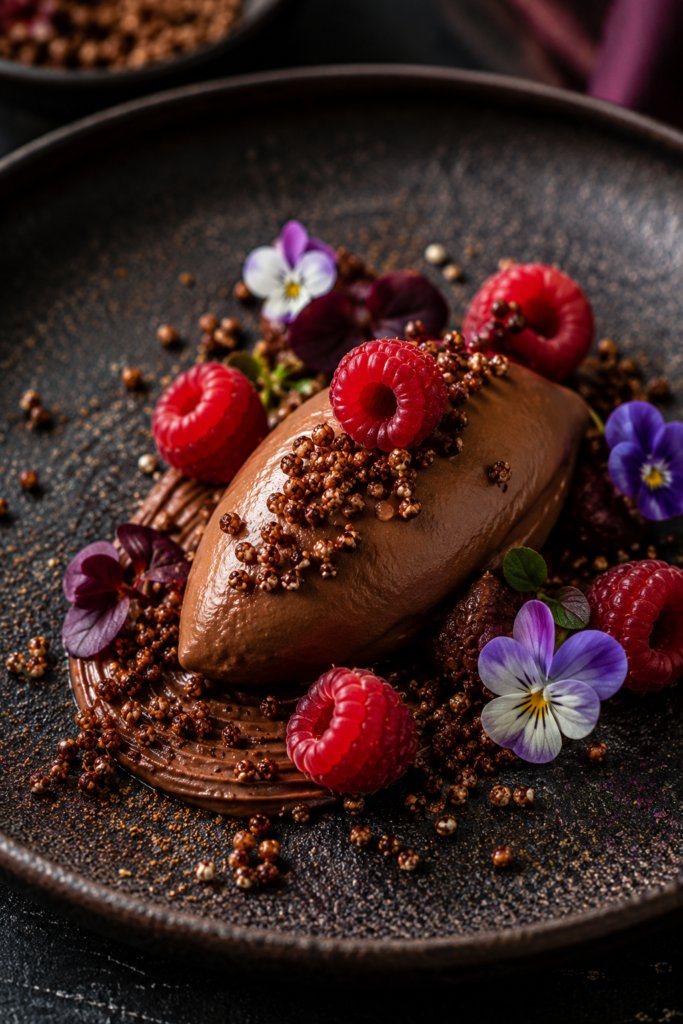
14. Puffed grains. Puffed rice, quinoa, or amaranth adds a light, airy crunch that’s especially striking on plated desserts and modern-style savory dishes.
Sauce and Drizzle Garnishes
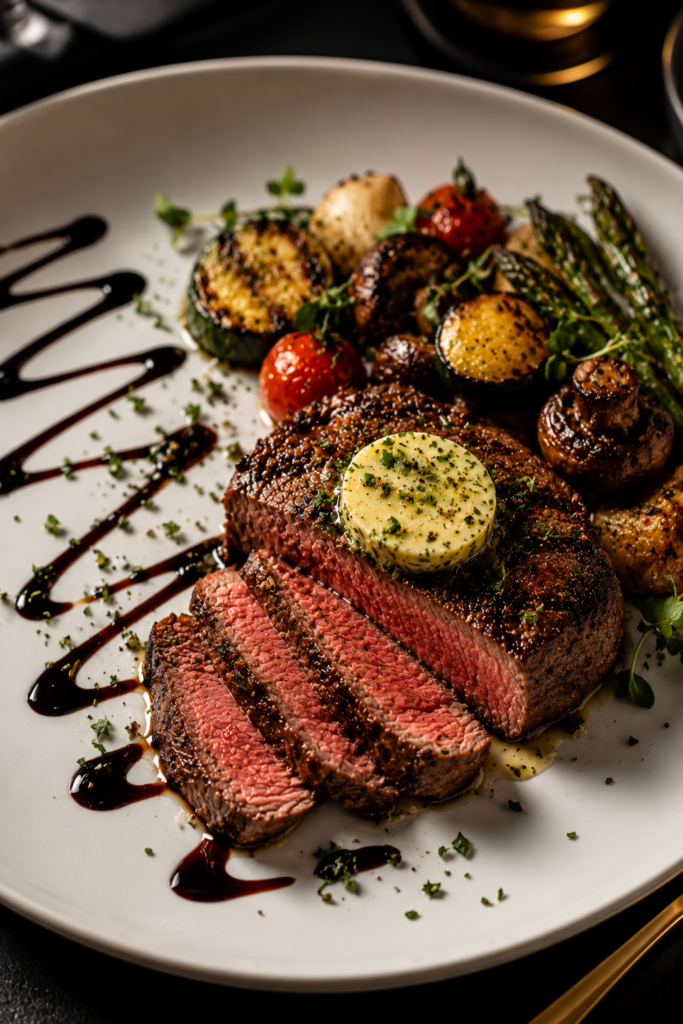
15. Reduction drizzles. A balsamic reduction, pan sauce, or fruit coulis drizzled in dots or a zigzag pattern adds both flavor and visual movement to the plate.
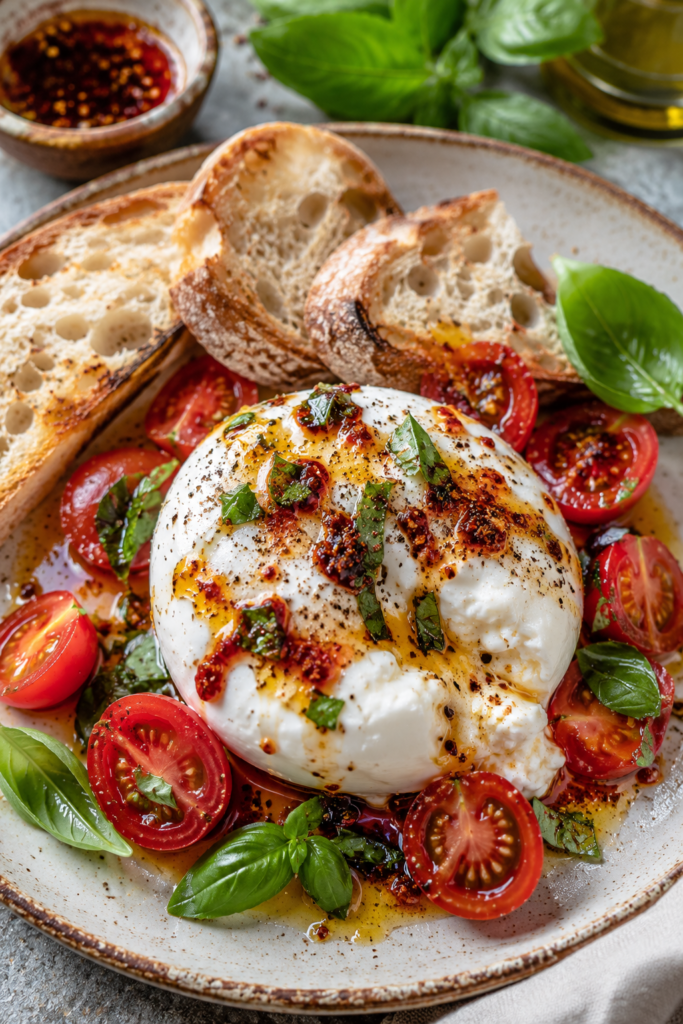
16. Flavored oils. Chili oil, garlic oil, or infused olive oil drizzled at the last second adds shine, flavor, and a professional finish. This is one of the fastest ways to elevate a plate with almost no extra effort.
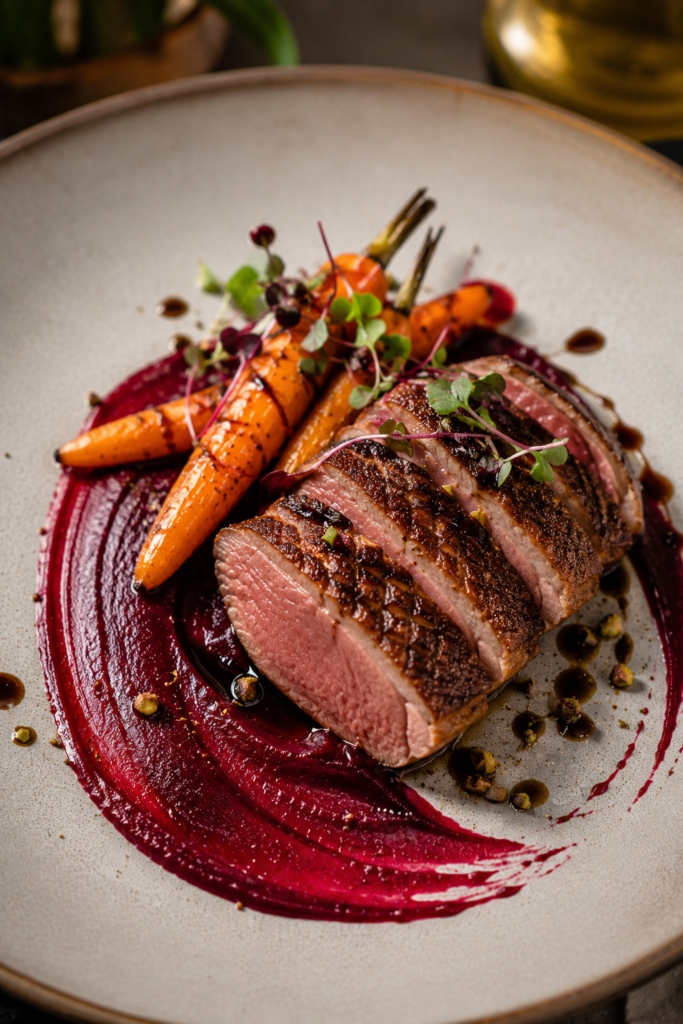
17. Swooshes and smears. Using the back of a spoon to drag a sauce or purée across the plate in a curved line is a classic modern plating technique. It works well with purées like cauliflower, beet, or pea.
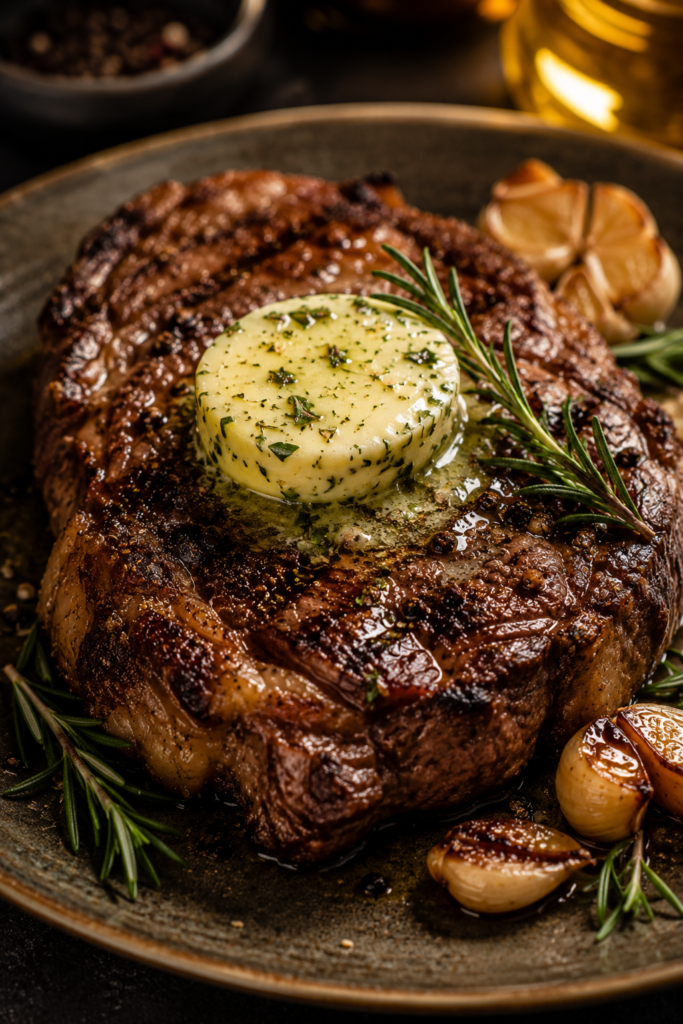
18. Compound butter discs. A slice of herb or citrus compound butter placed on a hot protein melts slowly at the table, creating a glossy, flavorful garnish that also functions as a built-in sauce.
Edible Flowers and Color Garnishes
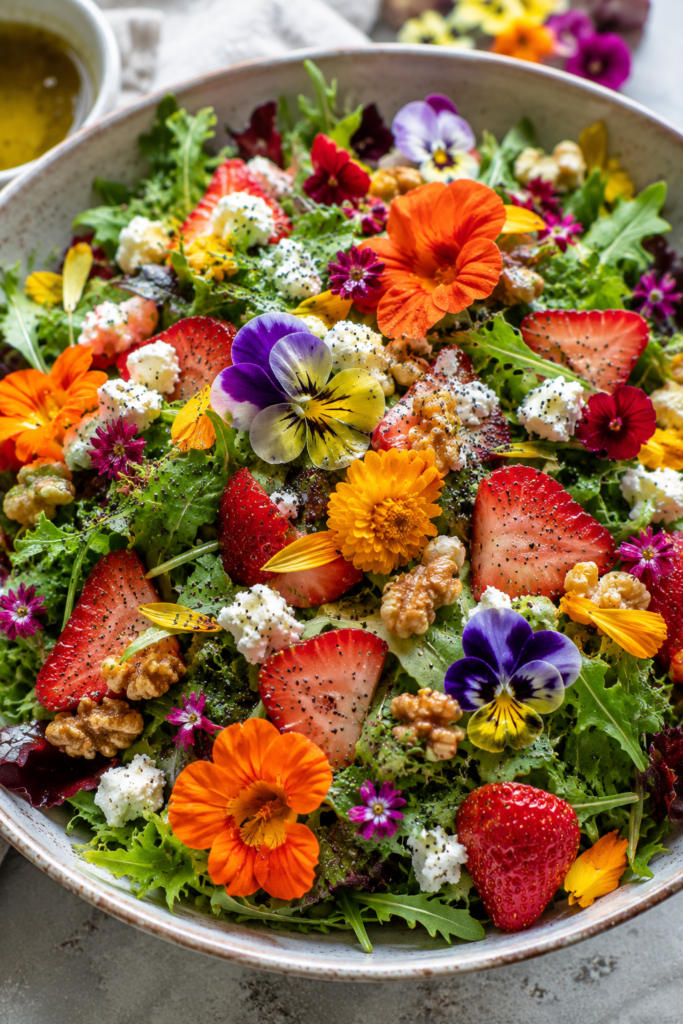
19. Edible flowers. Nasturtiums, pansies, and marigold petals add vivid color and a mild peppery or sweet flavor. Make sure any flowers used are specifically grown for eating — florist flowers are treated with pesticides not meant for consumption.
20. Vegetable ribbons and curls. A vegetable peeler can turn carrots, cucumbers, or zucchini into thin ribbons that add height and movement when loosely coiled on the plate.
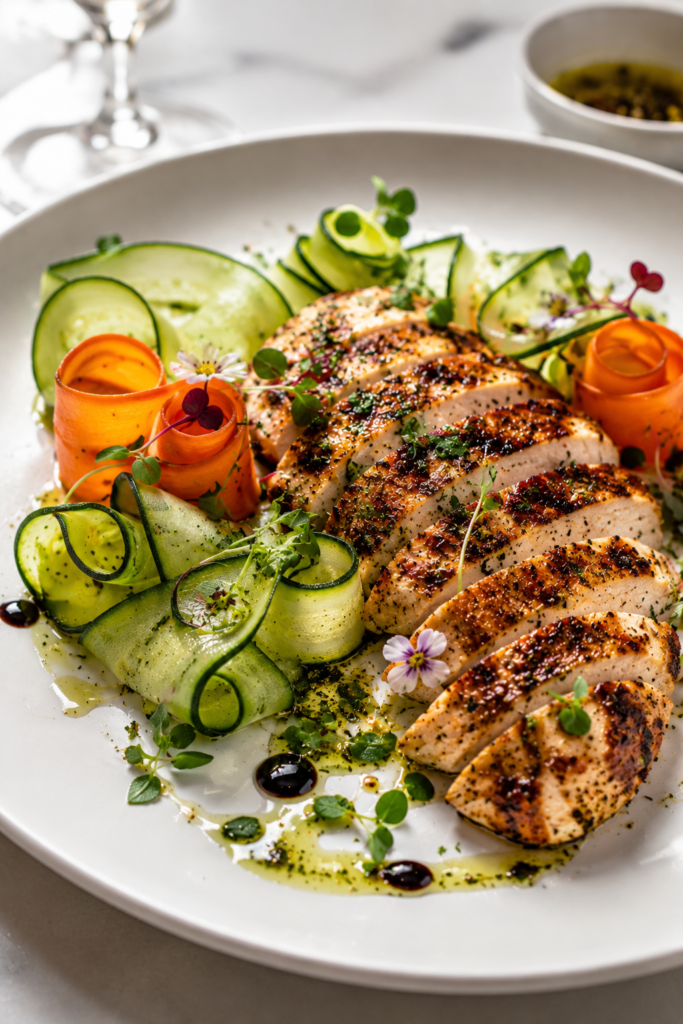
21. Colorful powders. A light dusting of paprika, turmeric, matcha, or cocoa powder along the plate’s edge adds a professional finishing line of color without affecting the dish’s core flavor.
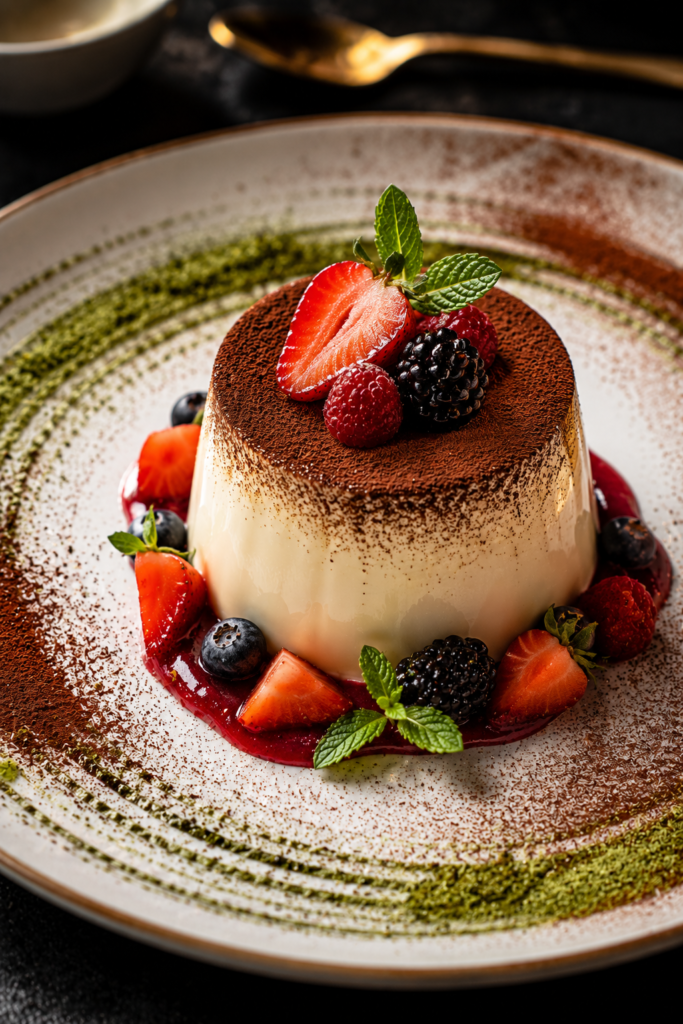
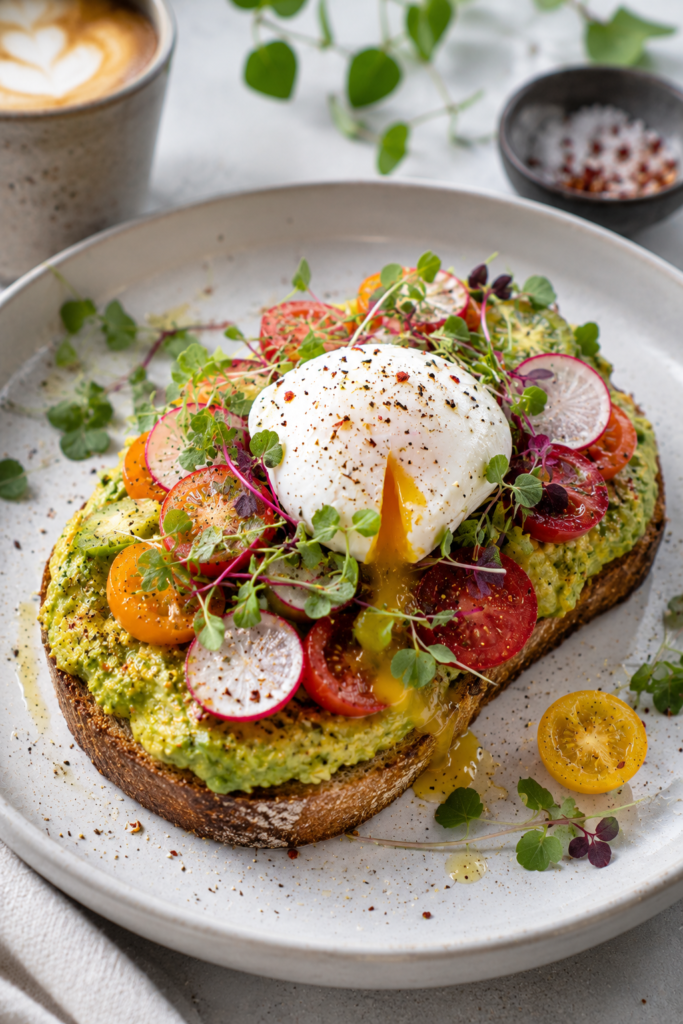
22. Microgreens. Similar to micro herbs but grown specifically for their delicate stems and leaves, microgreens like radish sprouts or pea shoots add height, color, and a mild, fresh flavor.
Finishing Salts and Final Touches
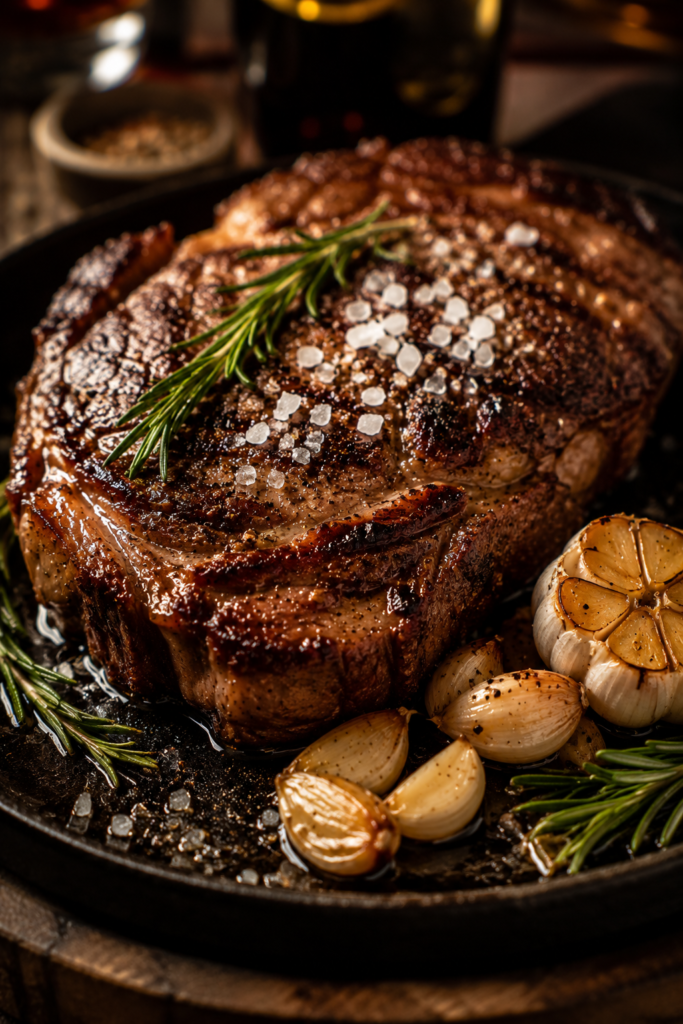
23. Flaky finishing salt. A pinch of flaky sea salt (like Maldon) added right before serving gives a light crunch and bursts of salinity that regular table salt can’t replicate. This works on nearly everything — desserts, grilled meats, roasted vegetables, even fruit.
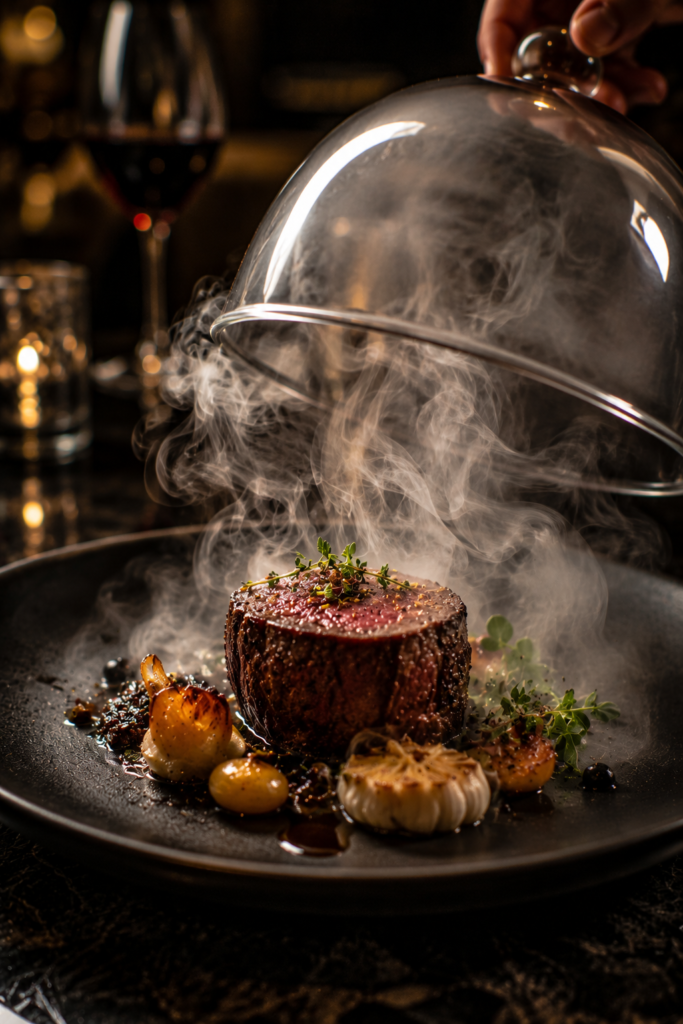
24. Smoke and steam presentation. For a dramatic effect, some dishes are finished tableside with a wisp of smoke from a smoking gun or a cloche lifted to release aroma. This isn’t practical for every meal, but for a special occasion dinner, it turns plating into an experience.
How to Choose the Right Garnish for Your Dish
With 24 options, it helps to have a simple framework rather than picking randomly. Ask three questions:
- Does the dish need color? If everything on the plate is brown or beige (think braises, roasted meats, casseroles), reach for herbs, citrus, or edible flowers.
- Does the dish need texture? If everything is soft or creamy (purées, risottos, soups), reach for crunch — toasted nuts, crispy shallots, or breadcrumbs.
- Does the dish need a flavor lift? If the dish is rich or one-note, reach for acid — a pickle, citrus segment, or vinegar reduction to cut through it.
Most well-garnished plates hit at least two of these three categories, not just one.
Common Garnishing Mistakes to Avoid
- Garnishing with something you can’t eat with the dish. A garnish should complement the flavor, not sit there as a purely visual afterthought that gets pushed to the side of the plate.
- Overcrowding the plate. One or two well-placed garnishes almost always look better than five competing elements.
- Wilted or browning herbs. Herbs added too early or held at room temperature too long lose their vibrant color and visual impact. Garnish as close to serving as possible.
- Ignoring the plate’s negative space. Garnishes placed with intention — off to one side, following the line of the food — read as more polished than garnishes scattered evenly across the whole plate.
Frequently Asked Questions
What’s the easiest garnish for a beginner to start with? Chopped fresh herbs and a squeeze of citrus. Both are inexpensive, require no special technique, and immediately make a dish look more finished.
Can garnishes be prepared ahead of time? Some can. Toasted nuts, fried shallots, candied citrus peel, and flavored oils all keep well and can be made in advance. Fresh herbs, microgreens, and anything meant to stay crisp should be added just before serving.
Do garnishes need to be edible? Yes, as a general rule. A garnish that isn’t meant to be eaten (like a plain lemon wedge used only for squeezing, or a decorative leaf) should still be safe to touch food and clearly understood as non-edible if it isn’t meant to be consumed.
How do I keep herb garnishes from wilting on the plate? Store cut herbs in a lightly damp paper towel in the refrigerator until the last moment, and add them to the plate only right before serving.
What’s a good garnish for desserts specifically? Candied citrus peel, edible flowers, toasted nuts, a light dusting of cocoa or matcha powder, and fruit coulis drizzles all work well on sweet plates.
Is there a difference between garnishing at home and in a restaurant? Mostly scale and consistency. Restaurants prep garnish components in batches ahead of service, then assemble quickly at the pass. At home, you can apply the same idea on a smaller scale: prep what you can in advance, and finish the plate right before it goes to the table.
Final Plate, Final Impression
A garnish is the last thing you do to a dish and the first thing a diner sees. It doesn’t need to be elaborate to work — a scatter of fresh herbs, a drizzle of good oil, and a pinch of flaky salt will out-perform an overworked plate almost every time. Start with one or two ideas from this list that fit dishes you already cook regularly, and build from there.
What’s the one garnish you always reach for, and which of these are you trying next?