
18 Sweet Brunch Recipes (Gluten Free) That Don’t Taste Like a Compromise
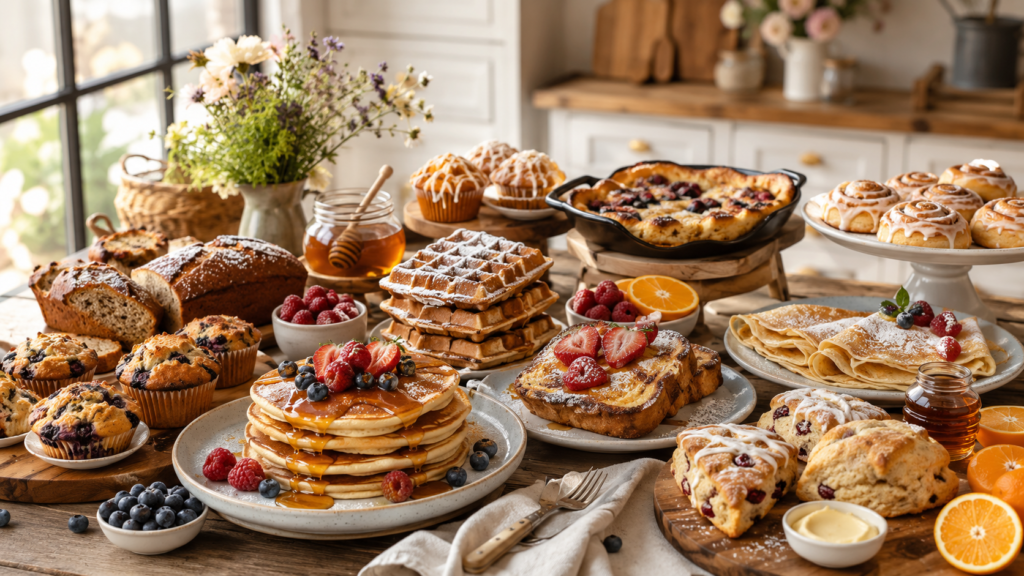
Gluten-free baking has a reputation problem. Say the words “gluten-free pancake” to most people and they picture something dense, gritty, and a little sad next to a stack of butter. That reputation is outdated. With the right flour blends and a few technique adjustments, gluten-free sweet brunch dishes can be just as fluffy, golden, and craveable as their wheat-based counterparts.
This list covers 18 sweet brunch recipes that work well without gluten, organized by category so you can build a full spread or just find the one thing you’re craving right now. Along the way, you’ll find practical notes on substitutions, common mistakes, and why certain ingredients behave the way they do.
A Quick Note on Gluten-Free Flour Before You Start
Not all gluten-free flour blends are interchangeable, and this trips up more home bakers than any single ingredient on this list. A good all-purpose gluten-free blend usually combines a starch (like tapioca or potato starch) with a protein-rich flour (like rice flour or a bean flour) and often a binder like xanthan gum. If your blend doesn’t already include xanthan or guar gum, add about 1/4 teaspoon per cup of flour for baked goods that need structure, like muffins or cakes. Pancakes and crepes are more forgiving and can often skip it.
Almond flour and coconut flour are not 1:1 substitutes for a standard gluten-free blend — they behave very differently (coconut flour especially absorbs a huge amount of liquid), so recipes built for them are noted separately below.
Pancakes and Waffles
1. Classic Buttermilk Pancakes
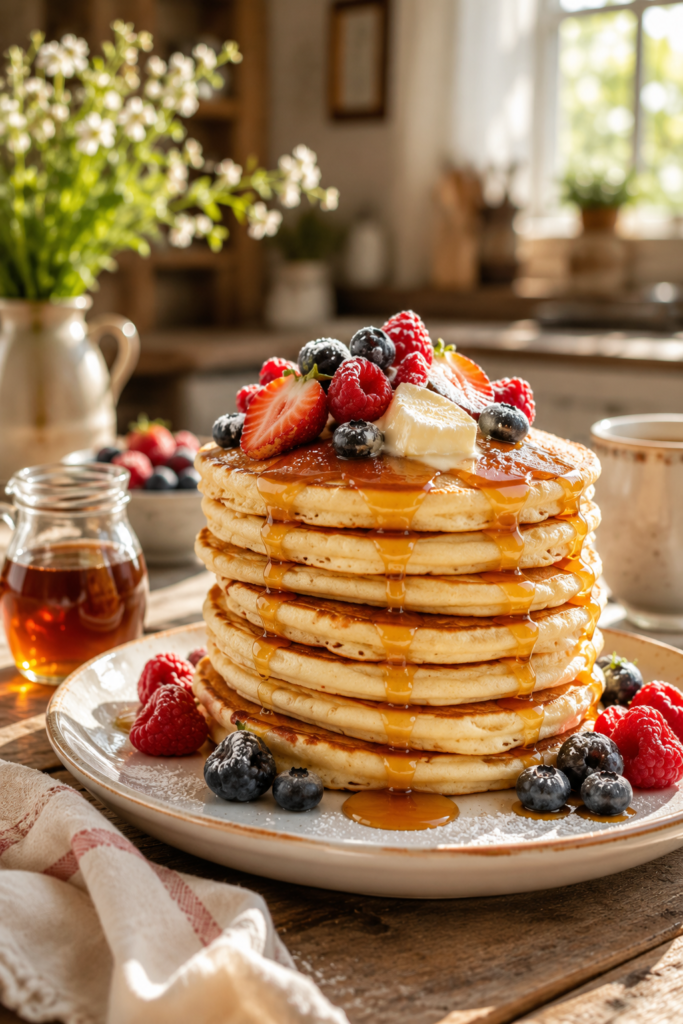
The buttermilk does double duty here: its acidity reacts with baking soda for lift, and it tenderizes the crumb so the pancakes stay soft instead of gummy, which is the most common complaint with gluten-free pancakes. Let the batter rest for 5–10 minutes before cooking — this gives the starches in the flour blend time to hydrate fully, which noticeably improves texture.
2. Banana Oat Pancakes
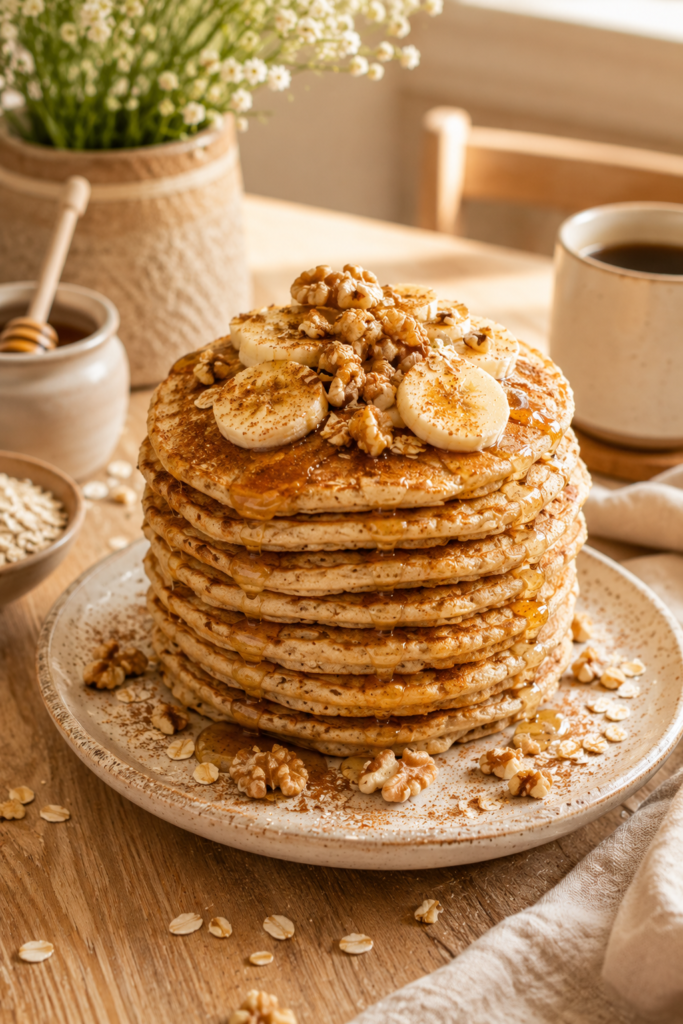
Make sure your oats are certified gluten-free, since oats are naturally gluten-free but are frequently cross-contaminated during processing. Blending the oats into a rough flour rather than leaving them whole gives a more cohesive pancake that holds together on the flip.
3. Lemon Ricotta Pancakes
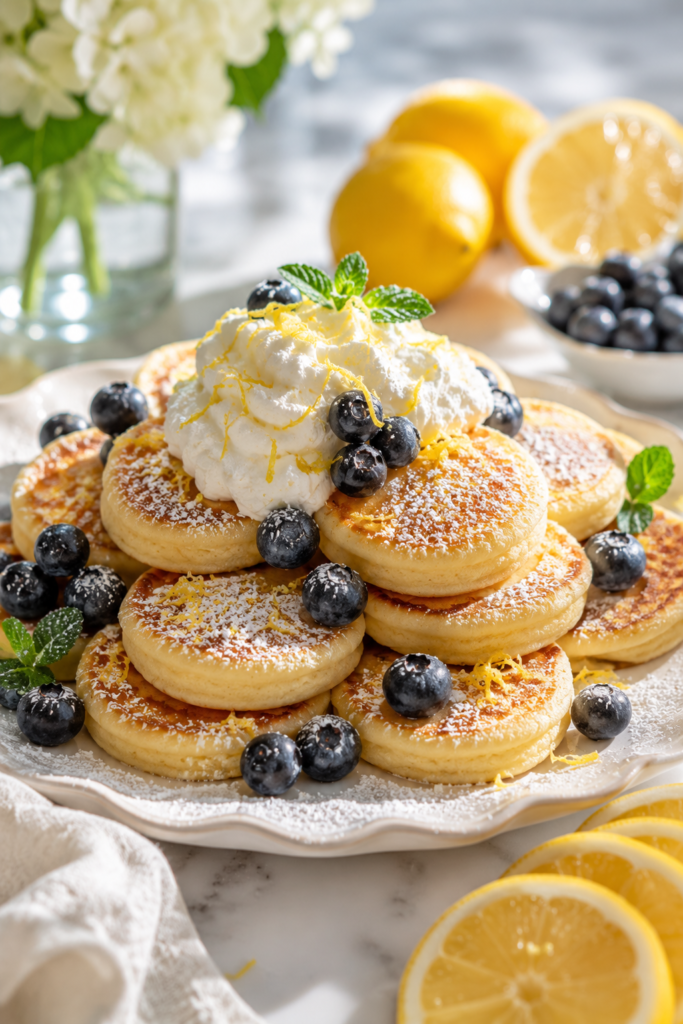
Ricotta adds moisture and a slight tang that plays well against a citrus glaze. Because gluten-free batters can be more delicate, keep these on the smaller side (about 3 inches) so they’re easier to flip without cracking.
4. Belgian Waffles
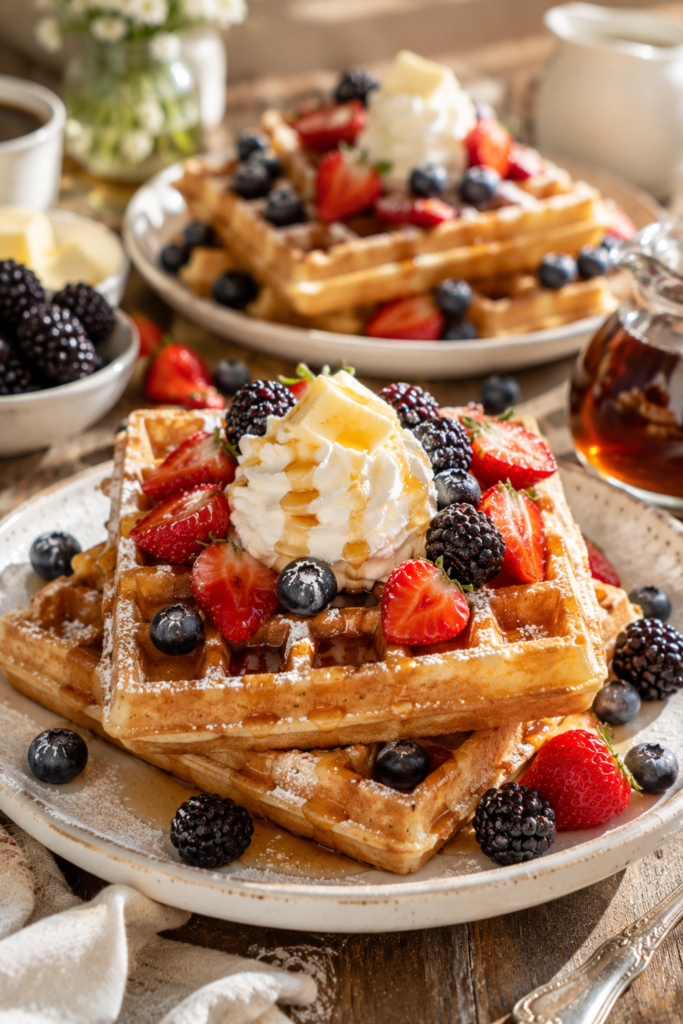
Waffle irons are actually more forgiving than a skillet for gluten-free batter, since the enclosed cooking creates steam that helps the crumb set evenly. A little extra cornstarch in the blend (about a tablespoon per cup of flour) gives that classic crisp shell.
5. Chocolate Chip Waffles
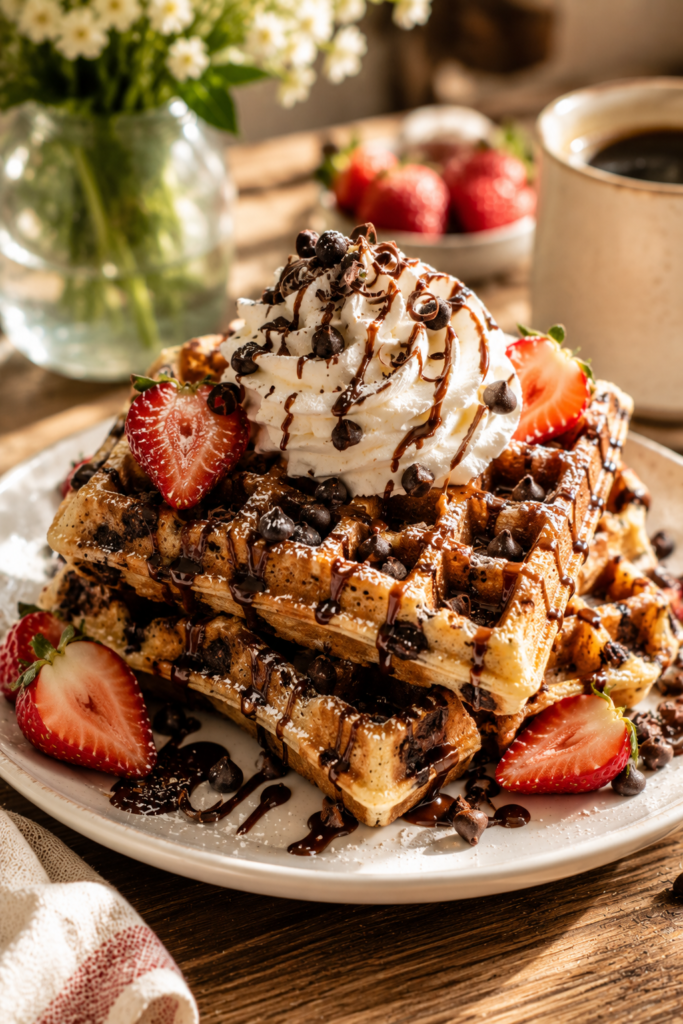
Fold the chocolate chips in at the very end, after the batter is mixed, so you’re not overworking a gluten-free batter trying to distribute them — overmixing can make some blends gummy since certain starches thicken with agitation.
Muffins and Quick Breads
6. Blueberry Muffins
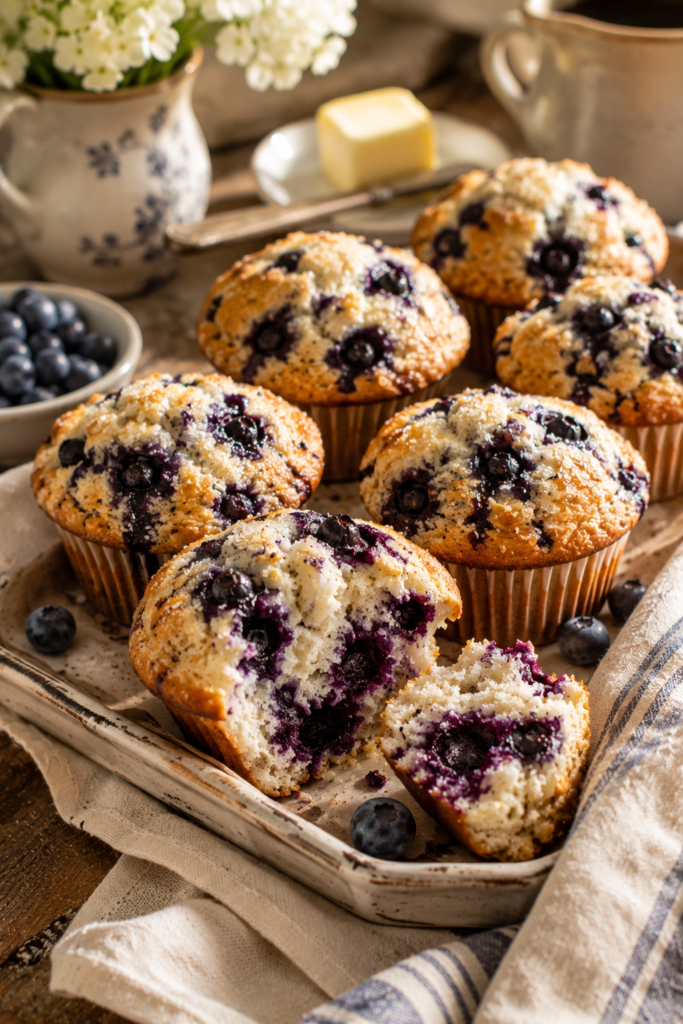
Toss fresh or frozen blueberries in a spoonful of your gluten-free flour blend before folding them in. This coats the berries and helps prevent them from sinking, which happens more in gluten-free batters because there’s less structural “grab” than gluten provides.
7. Cinnamon Streusel Coffee Cake
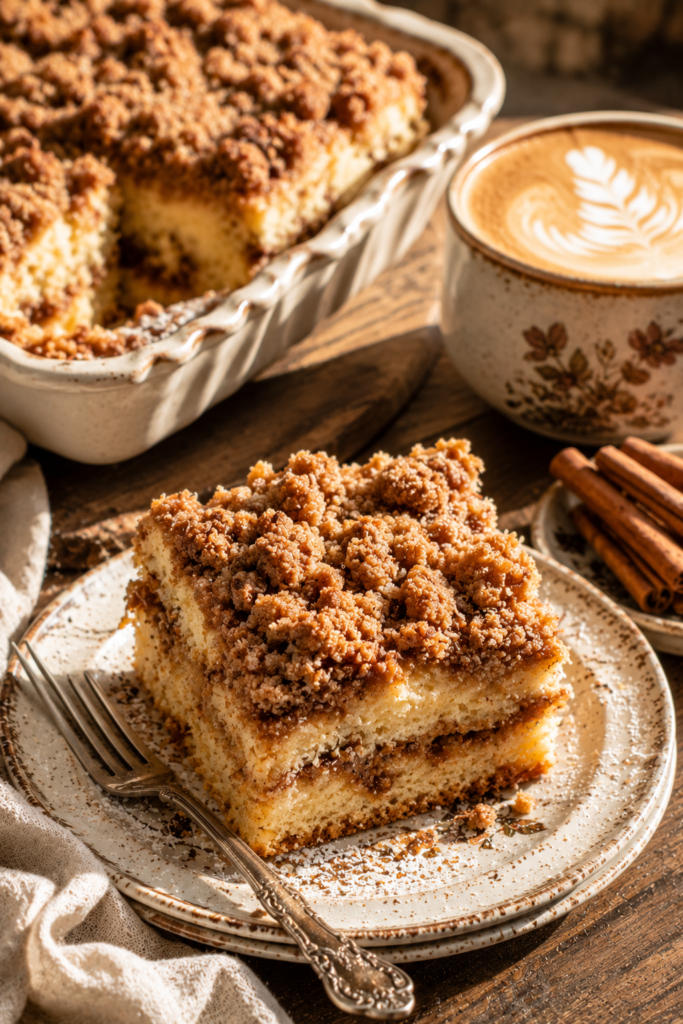
For the streusel topping, cold butter cut into the flour blend with a fork (rather than melted) gives you those distinct crumbly clumps instead of a sandy, flat layer. This is one place where a blend with some rice flour in it holds up better than an all-starch mix.
8. Banana Bread
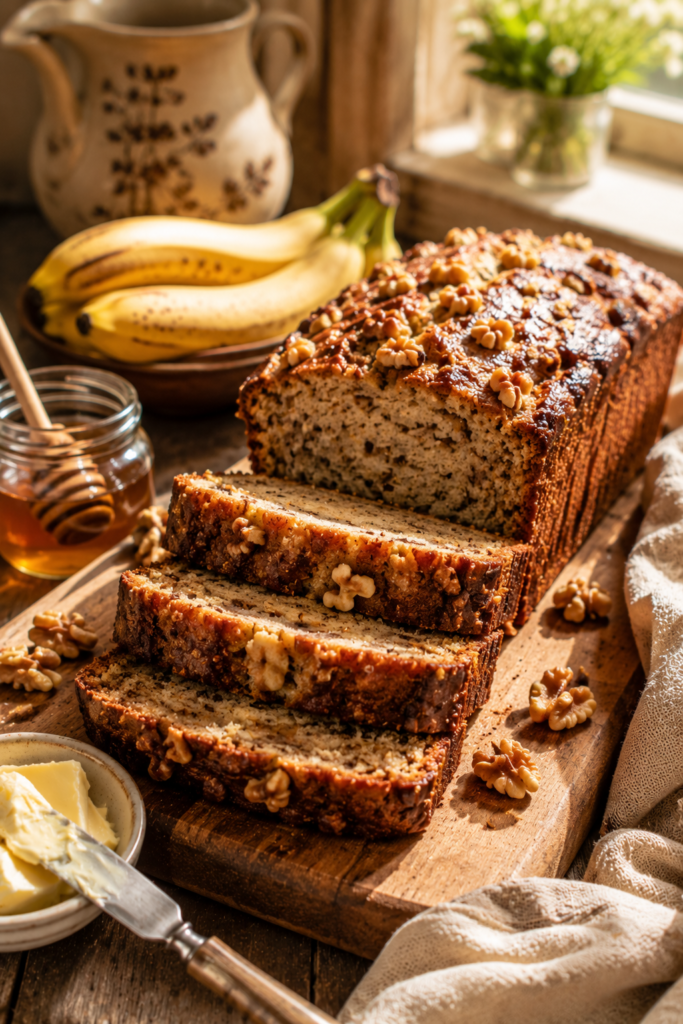
Overripe bananas aren’t optional here — they’re doing real structural work, adding both moisture and natural sugars that help browning. Gluten-free banana bread benefits from an extra 10–15 minutes of bake time at a slightly lower temperature (325°F instead of 350°F) so the center sets without the edges over-browning.
9. Pumpkin Muffins with Maple Glaze
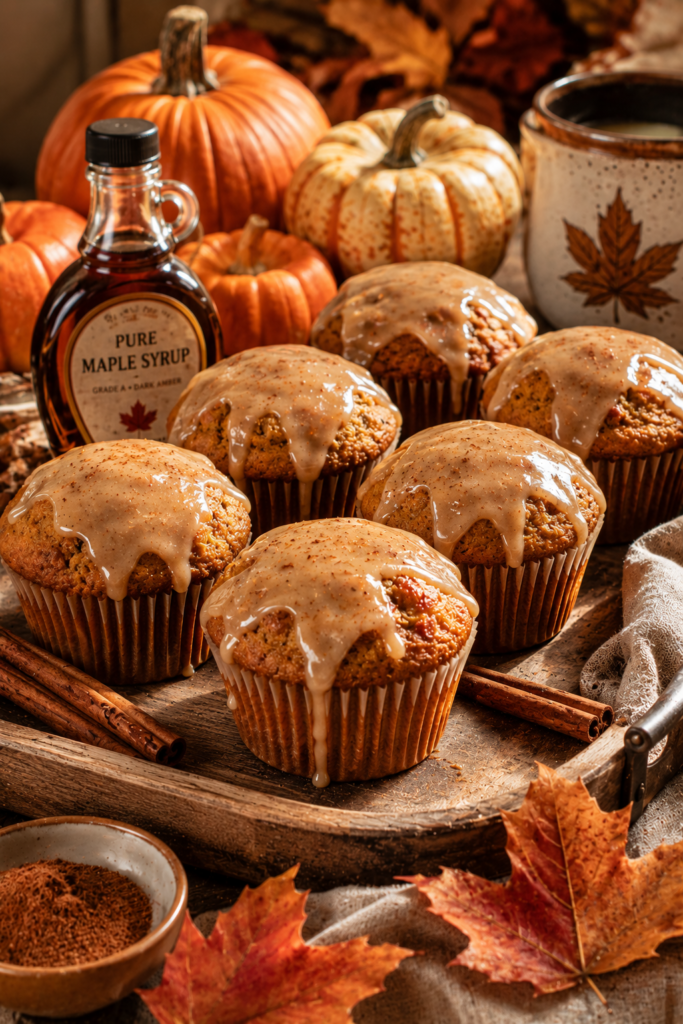
Pumpkin puree is a great moisture source for gluten-free baking, but too much can make the crumb gummy. Stick close to a standard 15-ounce can for a full batch of 12 muffins, and don’t substitute pumpkin pie filling, which has added sugar and spices that throw off the balance.
10. Almond Flour Zucchini Bread
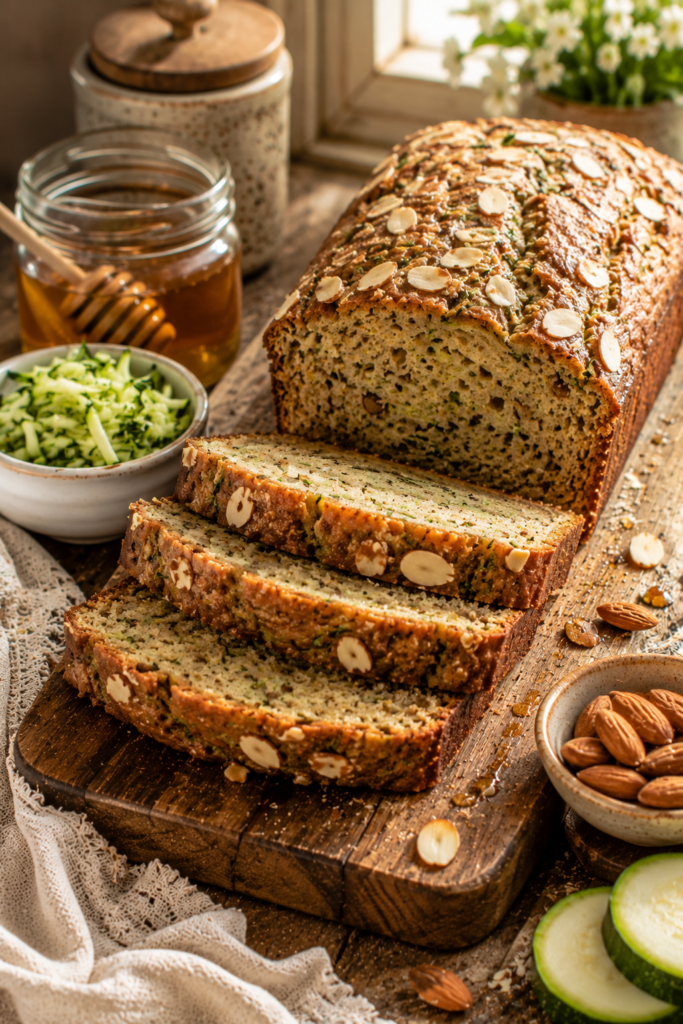
This one uses almond flour specifically rather than a gluten-free blend, since almond flour’s natural fat content pairs well with the moisture from zucchini. Squeeze the shredded zucchini in a clean towel to remove excess water first — skip this step and you’ll end up with a dense, wet loaf.
Pastries and Baked Goods
11. Flaky Gluten-Free Croissants
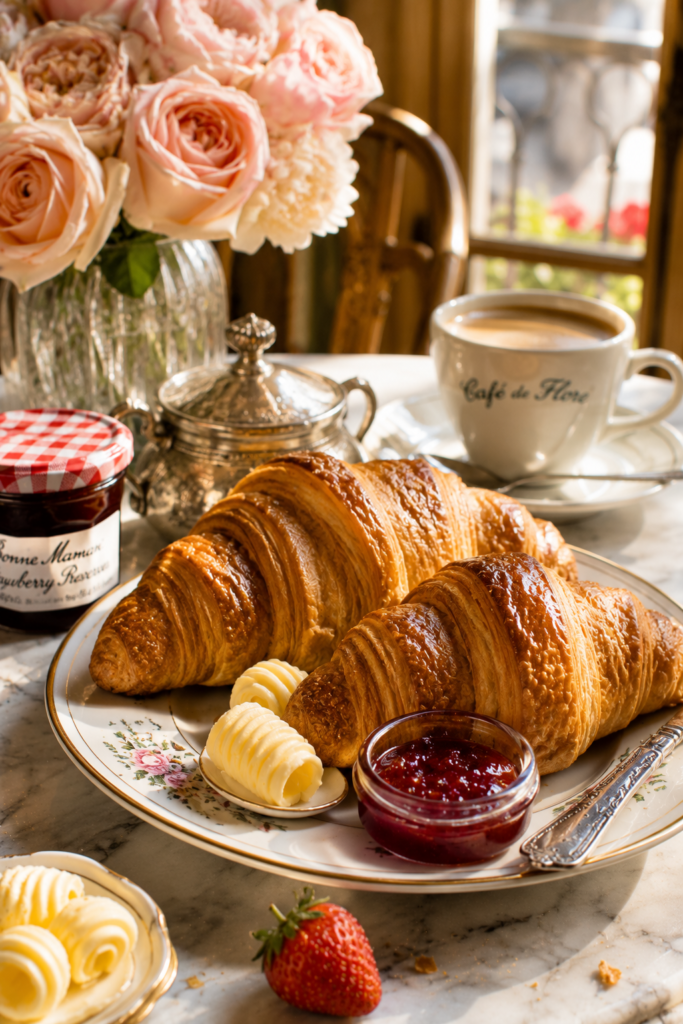
The hardest recipe on this list, and worth saying so upfront. Gluten-free laminated dough is possible but temperamental keep the butter and dough cold throughout, work quickly, and don’t expect the same dramatic lift as a wheat croissant. The payoff is still a buttery, layered pastry that’s far better than a store-bought gluten-free substitute.
12. Cinnamon Rolls
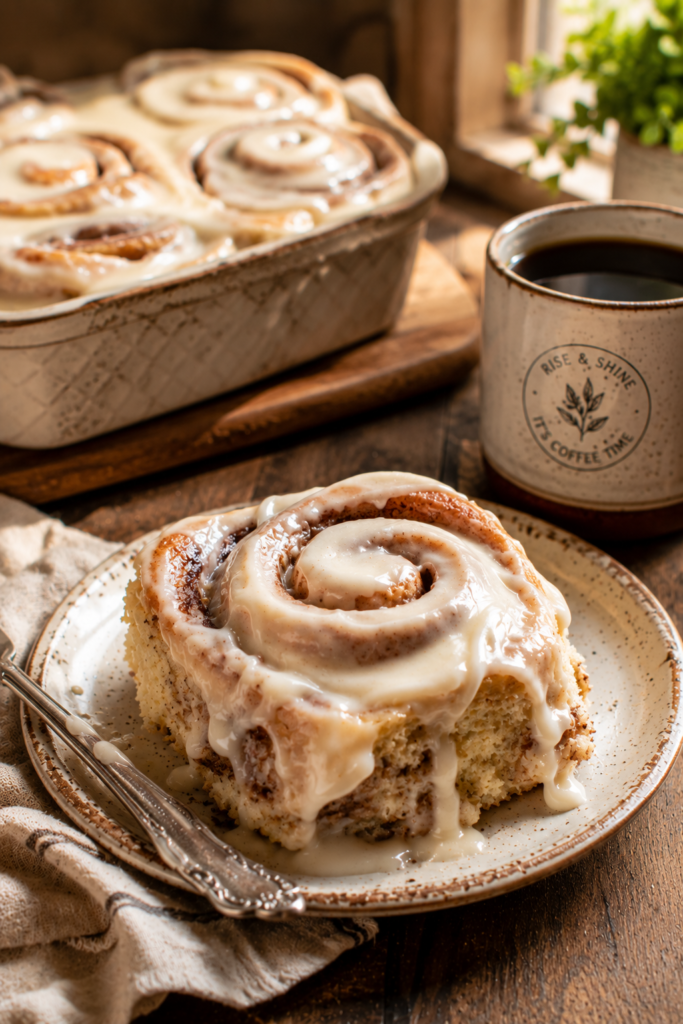
A tangzhong-style cooked flour paste (cooking a small portion of the flour blend with milk before adding it to the dough) makes a real difference in gluten-free yeasted dough, giving it more elasticity and a softer bite the next day.
13. Scones (Cranberry Orange)

Scones are naturally more crumbly than other baked goods, which works in gluten-free baking’s favor. Grate frozen butter directly into the dry ingredients for even distribution without overworking the dough.
14. Coffee Cake Muffin Tops
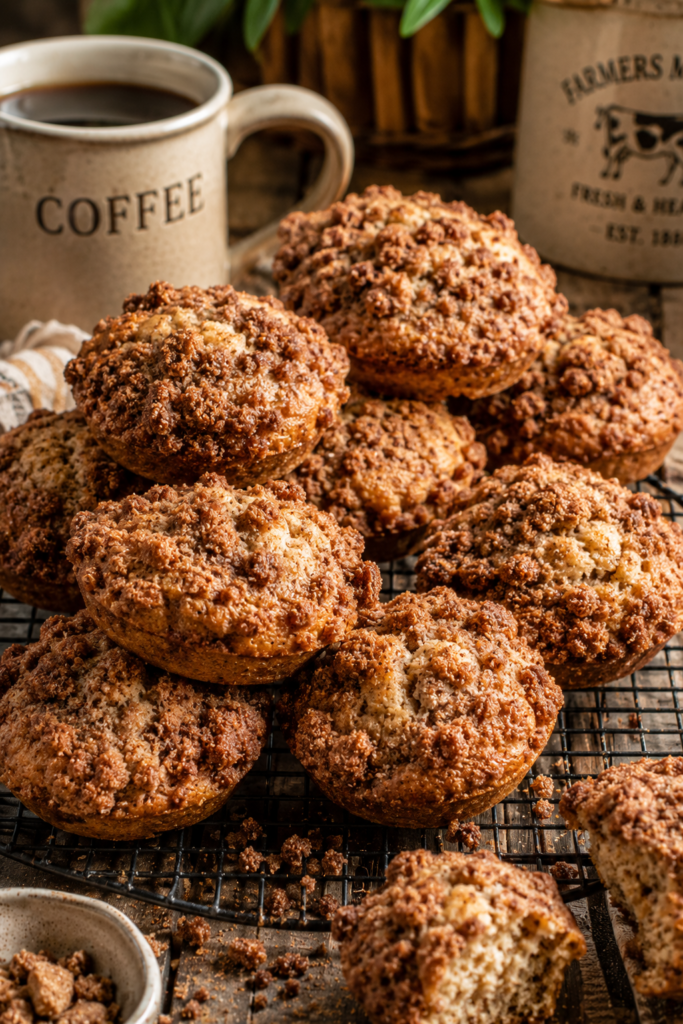
Baking the batter in a muffin top pan or a wide, shallow pan gives you more surface area for the streusel-to-cake ratio, and shorter bake times reduce the risk of a gummy center — a common issue when gluten-free quick breads are baked too thick.
French Toast, Crepes, and Egg-Based Sweets
15. Classic French Toast
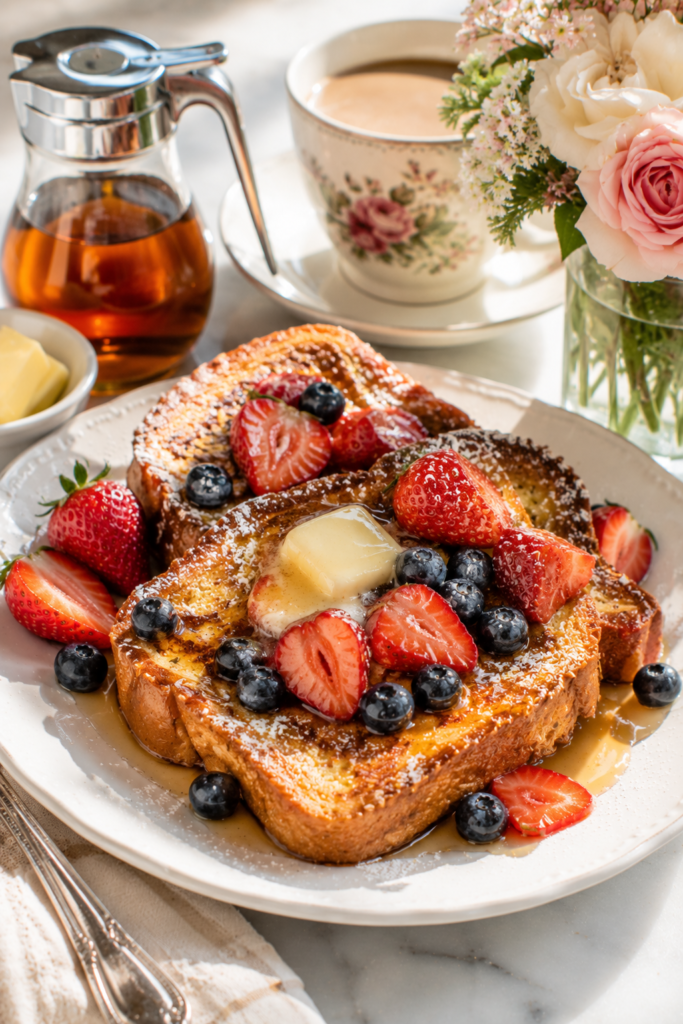
Use slightly stale gluten-free bread — day-old or lightly toasted first. Gluten-free bread tends to be more absorbent and can fall apart if soaked while too fresh and soft.
16. Crepes
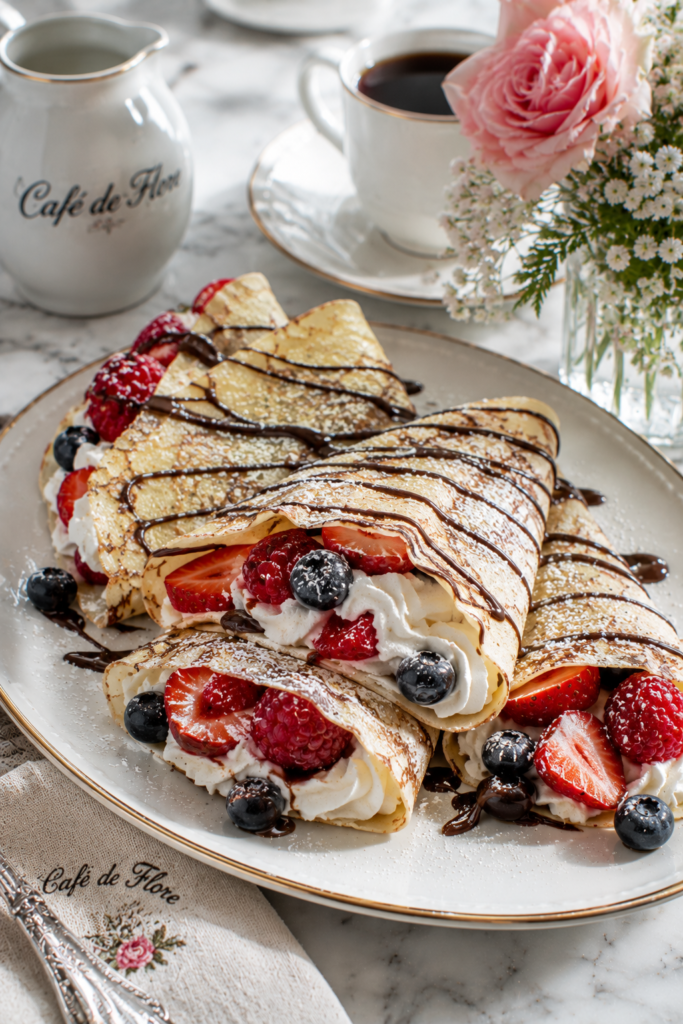
Crepe batter is naturally thin and gluten-free flour handles it well since there’s minimal structure needed. Rest the batter for at least 30 minutes; this settles air bubbles and makes for a smoother, more even crepe.
17. Baked French Toast Casserole
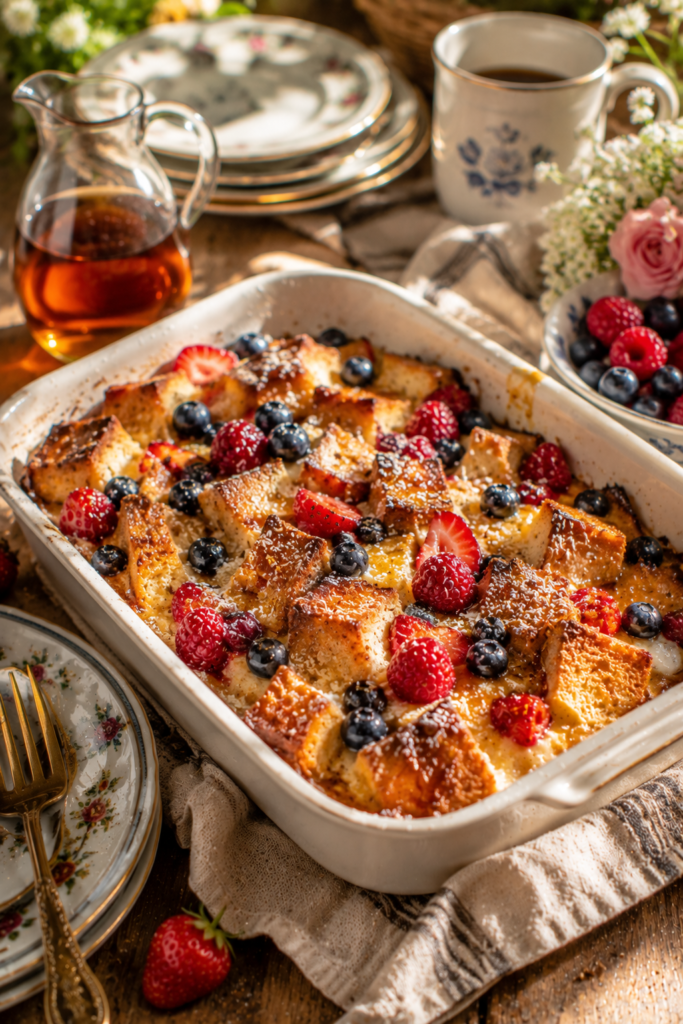
This format is more forgiving than pan-fried French toast because the custard has time to fully soak in during an overnight rest in the fridge. It’s a good option if you’re serving a crowd and don’t want to stand at the stove.
18. Dutch Baby (German Pancake)
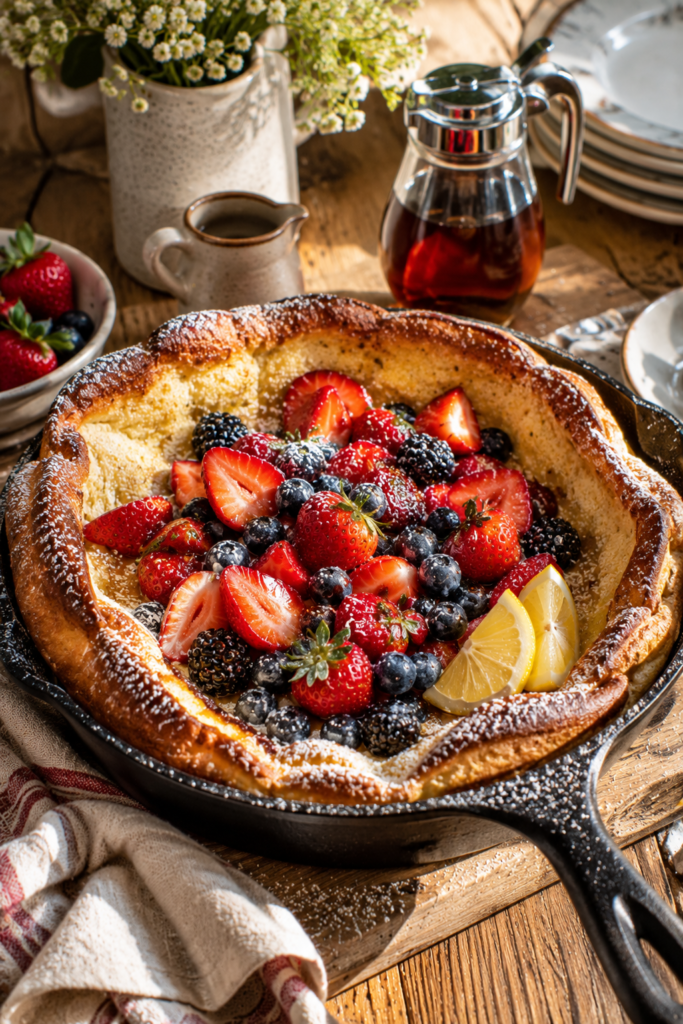
The blender method — eggs, milk, flour blend, and a pinch of salt blitzed together — works particularly well for Dutch babies because gluten-free batter doesn’t need the gentle folding a wheat batter would to avoid toughness. Bake in a very hot, buttered cast iron skillet for the best puff.
Frequently Asked Questions
Do I need to buy a special gluten-free flour for each recipe, or can I use one blend for everything? A good all-purpose gluten-free blend with xanthan gum already added will work for most of these recipes. The exceptions are the almond flour zucchini bread, which specifically relies on almond flour’s fat content, and coconut flour-based recipes, which need much more liquid.
Why do my gluten-free baked goods turn out gummy in the middle? This is almost always underbaking or too much liquid relative to the flour blend’s absorbency. Gluten-free batters often need a slightly lower oven temperature and a few extra minutes so the center fully sets without over-browning the outside. A toothpick test is less reliable here — look for the edges pulling slightly away from the pan as an additional signal.
Can I substitute a 1:1 gluten-free flour blend in any regular recipe? Often, but not always. Recipes that rely heavily on gluten’s stretch — like laminated pastry or chewy yeast bread — need more adjustment than recipes like pancakes, muffins, or quick breads, which were never depending on strong gluten development in the first place.
Is oat flour safe for celiac disease? Only if it’s labeled certified gluten-free. Oats don’t naturally contain gluten, but they’re often processed in facilities that also handle wheat, leading to cross-contamination.
What’s the best egg substitute if I also need these recipes to be egg-free? A flax egg (1 tablespoon ground flaxseed plus 3 tablespoons water, rested for 5 minutes) works reasonably well in muffins, quick breads, and pancakes. It performs less well in recipes like Dutch baby or French toast custard, where eggs are doing structural, not just binding, work.
Bringing It All Together
The common thread across all 18 of these recipes is that gluten-free baking rewards small technique adjustments more than it punishes the absence of gluten itself. Rest your batters, respect moisture ratios, and don’t be afraid to bake a few minutes longer at a slightly lower temperature. Once you get a feel for how your particular flour blend behaves, these become just as reliable as their traditional counterparts — no compromise required.
Start with one or two recipes that fit your skill level, whether that’s a simple stack of pancakes or a more ambitious batch of cinnamon rolls, and build your brunch spread from there.