
20 Amazing Food Decoration Ideas That Turn Every Meal Into a Masterpiece
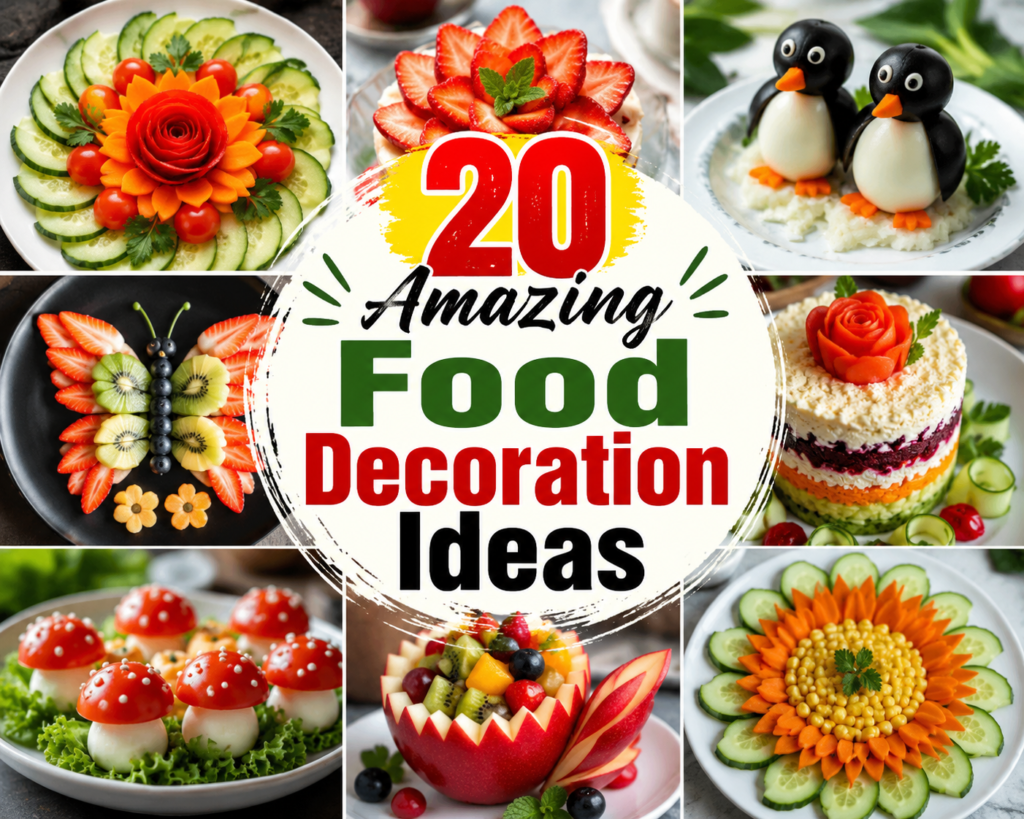
A few years ago, I placed a bowl of plain oatmeal in front of my niece. She stared at it, pushed it away, and refused to eat. Fifteen minutes later, I rebuilt that exact same oatmeal into a bear face using banana slices, blueberry eyes, and a strawberry nose. She devoured it in under four minutes.
That moment completely changed how I think about food. The taste was identical. The nutrition was identical. But the decoration turned rejection into delight. That is the power of food presentation, and it works on adults just as effectively as it works on five-year-olds.
Here’s what most people get wrong about amazing food decoration: they think it requires professional training, expensive tools, or hours of spare time. It does not. After years of experimenting in my own kitchen, hosting dinner parties for 20-plus guests, and testing ideas that flopped spectacularly before I found what actually works, I’ve distilled the best food decoration ideas into a guide that anyone can use starting tonight.
You will find ideas here for casual weeknight dinners, elaborate celebration cakes, Instagram-worthy brunch spreads, and every occasion in between. Some of these ideas cost nothing. Some require a five-dollar piping bag. None of them require culinary school.
What Makes Food Decoration Worth Your Time?
Food decoration is not vanity. It is psychology. Research consistently shows that visual presentation influences how people perceive taste, portion satisfaction, and even how much they enjoy the overall dining experience. A 2017 study published in the journal Flavour found that participants rated identically prepared dishes as significantly more flavorful when presented attractively versus carelessly plated.
Think about the last time you ordered food at a restaurant that looked stunning when it arrived. Chances are you enjoyed it more before you even tasted it. That pre-taste anticipation is real, measurable, and you can create it in your own kitchen.
Beyond the science, food decoration builds connection. A birthday cake with hand-piped flowers says something that a plain frosted cake does not. A charcuterie board arranged with intention communicates hospitality. These are not small things. They are the details people remember long after the food is gone.
20 Amazing Food Decoration Ideas You Can Start Using Today
1. The Herb Oil Drizzle: Effortless Elegance in 60 Seconds
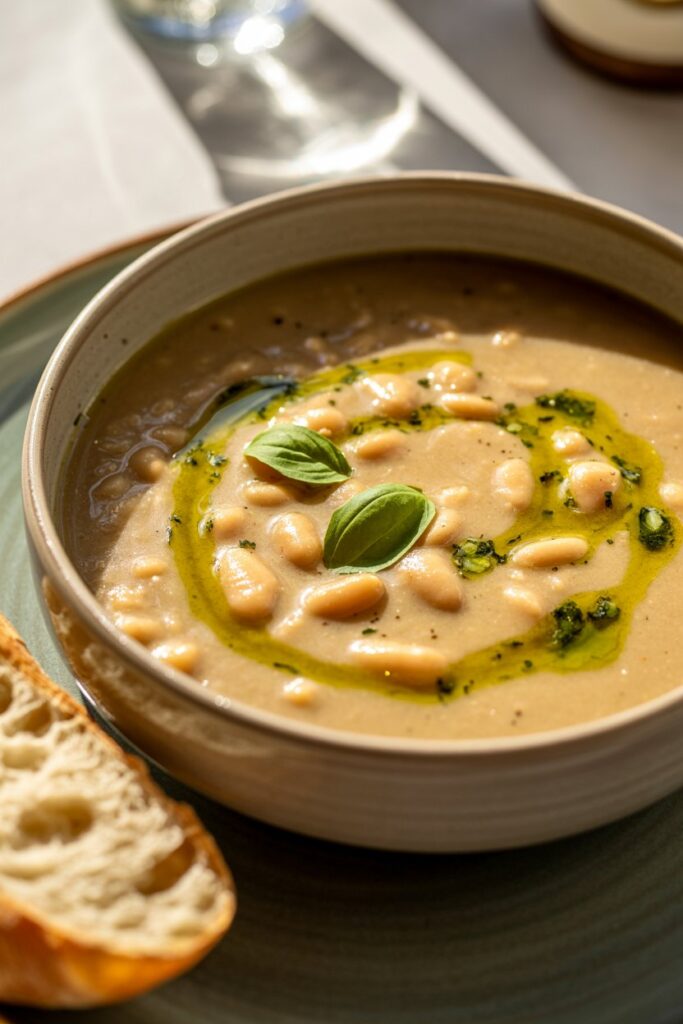
Herb oil drizzles transform the visual appeal of soups, pastas, and appetizers with minimal effort and maximum impact. The technique involves blending fresh herbs with olive oil, then drizzling the vivid green result in a spiral or zigzag across your dish just before serving.
Blend 1 cup of fresh basil, parsley, or chives with half a cup of good olive oil (I use Brightland’s Alive variety, around $37 for 250ml as of early 2025). Strain it through a fine mesh sieve, then transfer to a squeeze bottle. The result is a brilliant, fragrant oil that makes a simple white bean soup look like it came from a Michelin-starred kitchen.
The mistake most beginners make is adding the drizzle too early, letting it sink and disappear. Add it at the very last second before the dish reaches the table. The contrast between the vivid green and the base color of your dish creates visual depth that photographs beautifully and signals freshness to your guests.
This technique works on everything from tomato soup to burrata to scrambled eggs. The squeeze bottles that work best are the OXO Good Grips squeeze bottles at around $12 for a two-pack.
2. Edible Flowers: The Fastest Way to Add Luxury
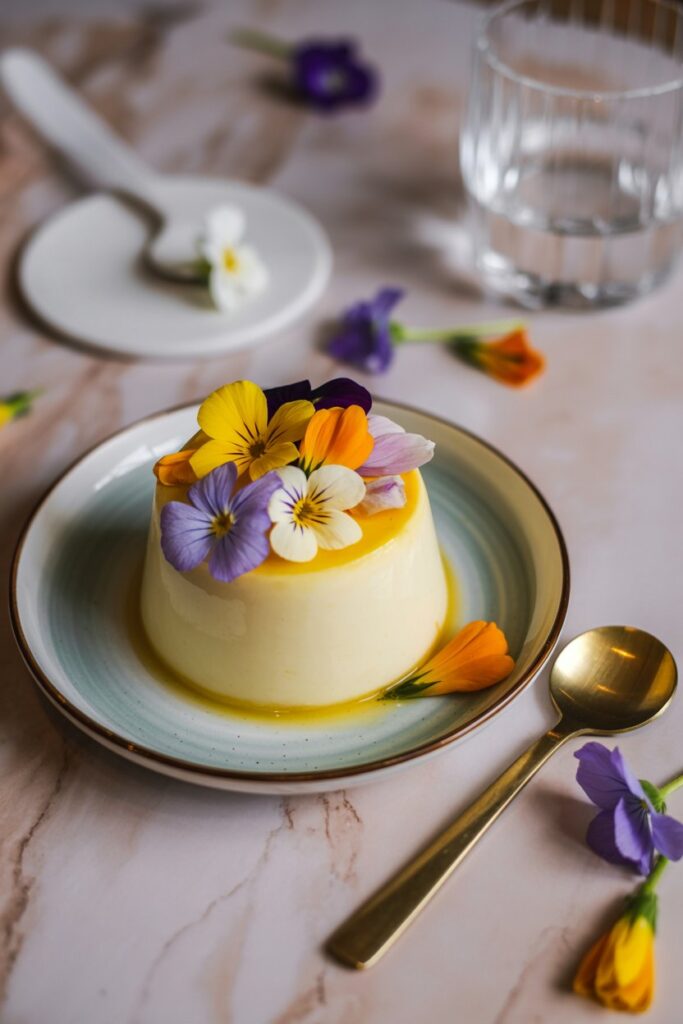
Edible flowers placed thoughtfully on cakes, salads, dessert plates, or cocktails add immediate visual luxury with almost no skill required. The key word is “thoughtfully,” which means not randomly scattered but deliberately placed in clusters or along a natural visual line.
Violas, nasturtiums, calendula, and borage are widely available at Whole Foods, most farmers markets, and specialty grocers year-round. A small container runs $4 to $8. They last three to four days refrigerated between damp paper towels.
The insider secret here is that odd numbers always look more natural than even. Three small flowers grouped together outperform two or four almost every time. Place them at the 10 o’clock position on a round plate rather than dead center, and you will immediately achieve a restaurant-quality aesthetic.
I used this technique for a dinner party last spring, scattering viola petals across a lemon panna cotta. Every single guest commented on the presentation before they tasted a bite. Cost per plate: approximately 40 cents. Impact: substantial.
3. Chocolate Shards: Dramatic Cake Decoration Without a Pastry Degree
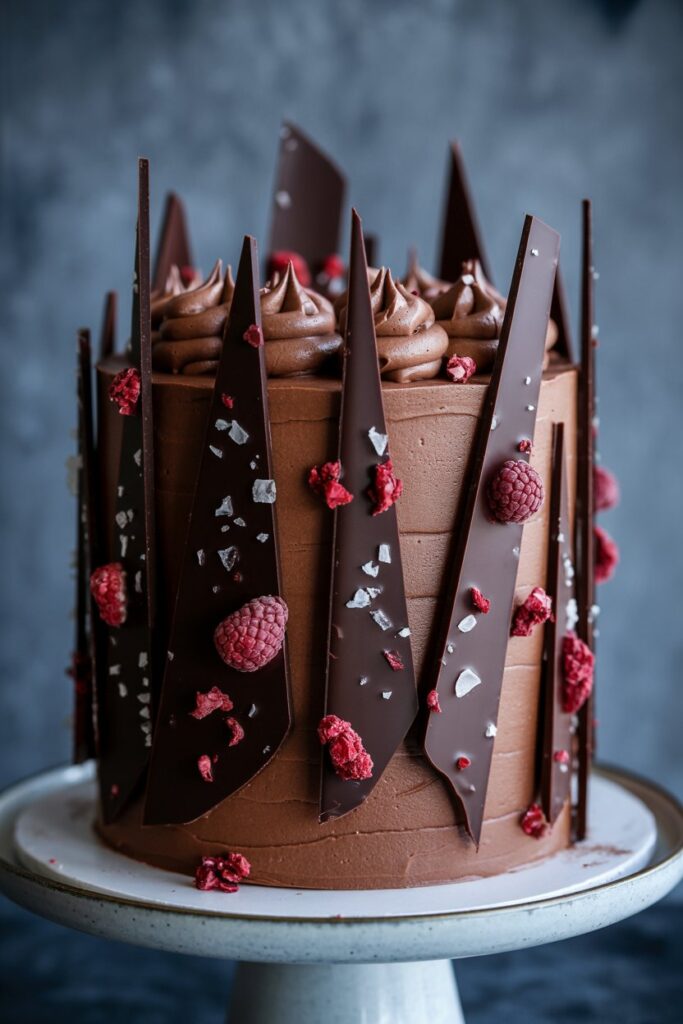
Chocolate shards, also called chocolate bark shards, add dramatic height and visual texture to cakes, tarts, and dessert plates without requiring any specialized skill. Melt dark or white chocolate, spread it thin on parchment paper, scatter toppings like sea salt or crushed freeze-dried raspberries, and refrigerate until set. Break into irregular shards and press gently into frosting.
The beauty of this technique is that imperfection works in your favor. Jagged, irregular shapes look intentional and artisanal. Callebaut 811 dark chocolate (about $14 per pound) melts beautifully and sets with a professional-looking sheen. Add a sprinkle of Maldon sea salt flakes before refrigerating for a modern, sophisticated contrast that cuts through sweetness.
For a birthday cake I decorated in late 2024, I used this technique with white chocolate tinted pale pink using oil-based food coloring (gel colors, not water-based, which seize the chocolate). Guests assumed it came from a bakery. It took me 20 minutes.
4. Microgreens as a Finishing Touch
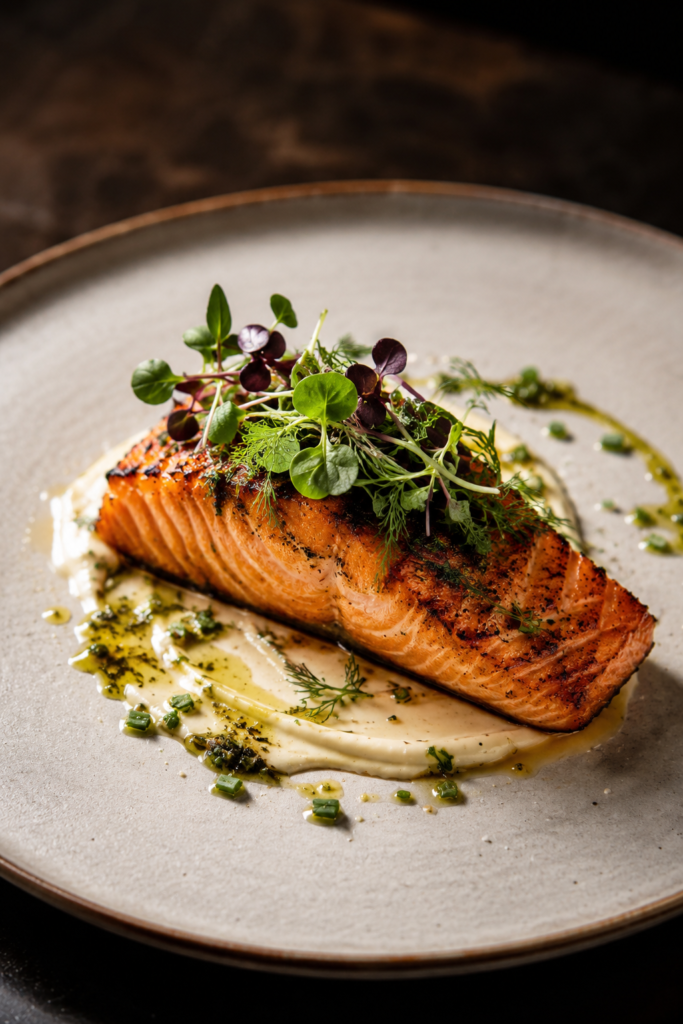
Microgreens placed on savory dishes add color contrast, textural complexity, and a signal of freshness that elevates even simple plating to restaurant quality. A small handful placed at the center top of a dish, not spread uniformly, creates height and visual interest.
Sunflower microgreens, pea shoots, and radish microgreens work best because they have distinct color and enough structural integrity to hold their shape on a warm plate. True Leaf Market sells microgreen seed varieties, and you can grow your own trays in 7 to 10 days using a simple 10×20 growing tray for about $3. Buying pre-grown from a grocery store runs $4 to $6 per clam shell.
The mistake I see constantly is using too many. A small cluster about the size of a golf ball creates far more impact than a bird’s nest covering the entire dish.
5. The Sauce Smear: Plating Like a Professional Chef
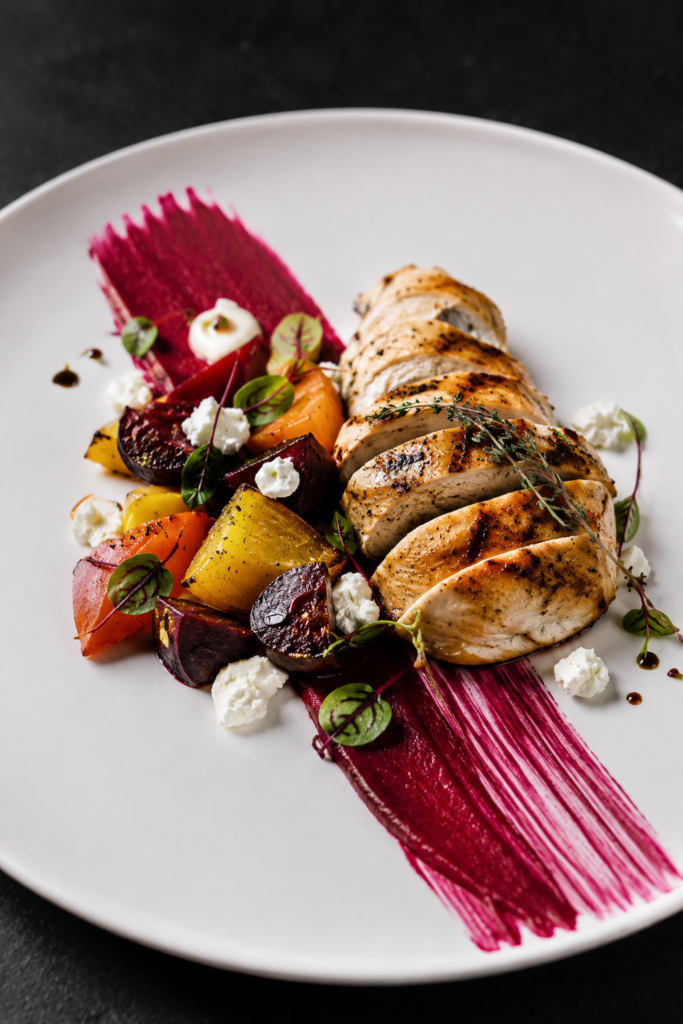
The sauce smear is the single technique that most dramatically transforms home plating into professional-looking presentation, and it takes under ten seconds. Place a spoonful of puree or sauce near the top of a plate. Press the back of a spoon flat against it and drag it toward you in one confident motion.
This works with hummus, beet puree, avocado cream, romesco, or any sauce with medium thickness. Too thin and it runs. Too thick and it drags unevenly.
The trick most tutorials skip: warm your spoon slightly under hot water, dry it, then smear. The warmth helps the sauce spread evenly without tearing. Practice on a second plate first. Within five attempts, your technique will look polished.
6. Citrus Supremes as a Garnish
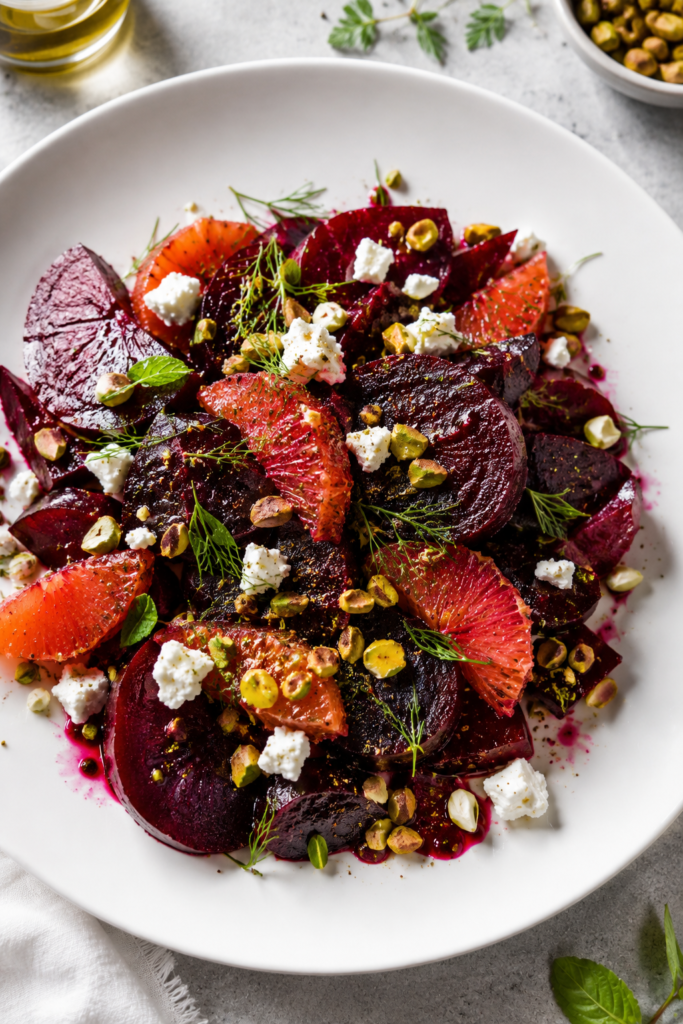
Citrus supremes (segments removed cleanly from their membrane) add vibrant jewel-like color to both sweet and savory dishes. Blood orange supremes on a beet salad. Grapefruit supremes across seared scallops. Meyer lemon supremes on a creamy panna cotta.
The technique: slice the top and bottom from the fruit, cut away the peel and pith following the curve of the fruit, then cut each segment free from its membrane over a bowl to catch the juice. You can use that juice as part of a dressing or sauce.
One blood orange yields about 8 to 10 supremes. They photograph stunningly against white plates and green herbs. The visual contrast alone makes a salad look curated rather than assembled.
7. Patterned Powdered Sugar Stenciling
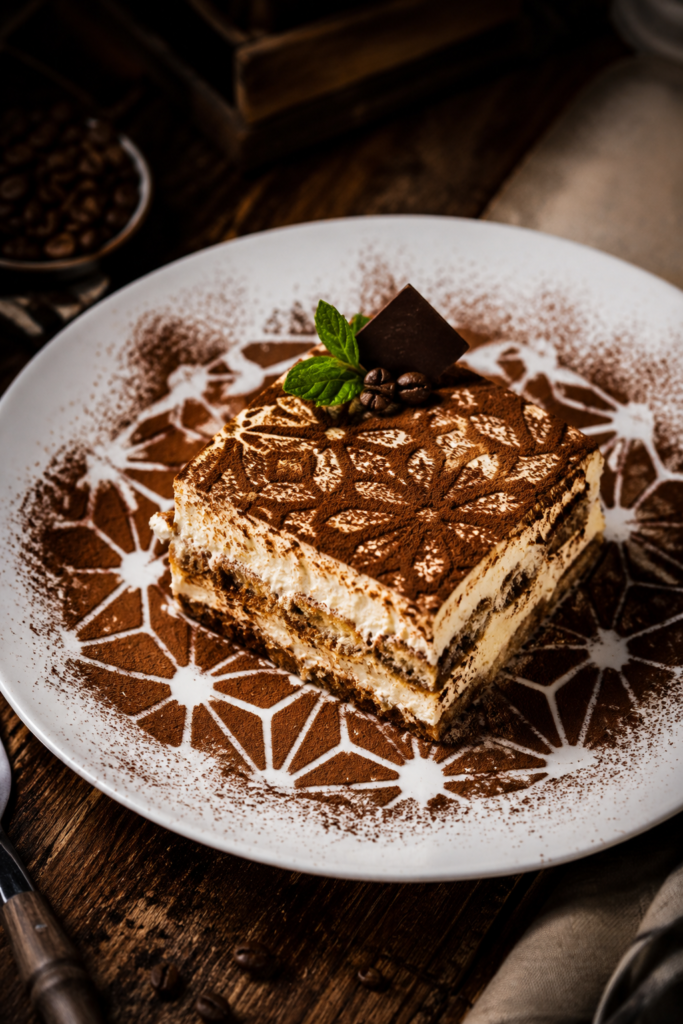
Stenciling with powdered sugar or cocoa powder creates professional-looking patterns on cakes, waffles, pancakes, and dessert plates in under two minutes. You can purchase laser-cut metal stencils from Ateco (around $8 to $12 per set) or cut your own from cardstock.
Hold the stencil about half an inch above the surface of the food to keep the edges sharp. Dust with a fine-mesh sieve rather than a shaker for more even distribution. Lift the stencil straight up rather than dragging to avoid smearing.
This is especially effective on tiramisu, where cocoa powder dusting through a geometric stencil creates a striking visual without altering the flavor. I used a star pattern for a Christmas dinner tiramisu that required zero additional decorating skill but received more compliments than anything else on the table.
8. Cucumber Ribbons and Vegetable Spirals
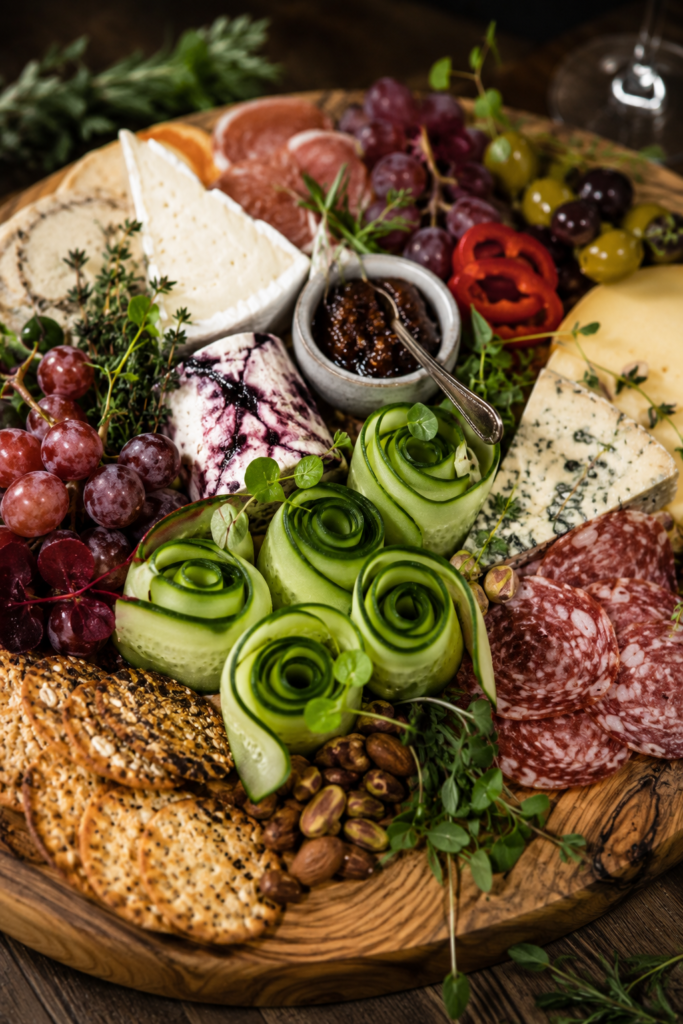
Thinly sliced vegetable ribbons add height, movement, and color to salads, appetizer boards, and main plate garnishes. A Y-shaped peeler (OXO makes a reliable one at $10) creates long, thin cucumber or zucchini ribbons in seconds. Fold them loosely into rosette shapes or drape them across the plate in overlapping layers.
For charcuterie boards, cucumber ribbons folded in accordion pleats add a fresh green element that also signals abundance. Yellow squash ribbons next to green zucchini creates a color-blocked effect that photographs beautifully.
The important insight here: these vegetable preparations also serve as palate cleansers and add genuine nutritional value. Decoration that also improves the eating experience is always worth the small time investment.
9. Layered Parfaits: Architecture You Can Eat
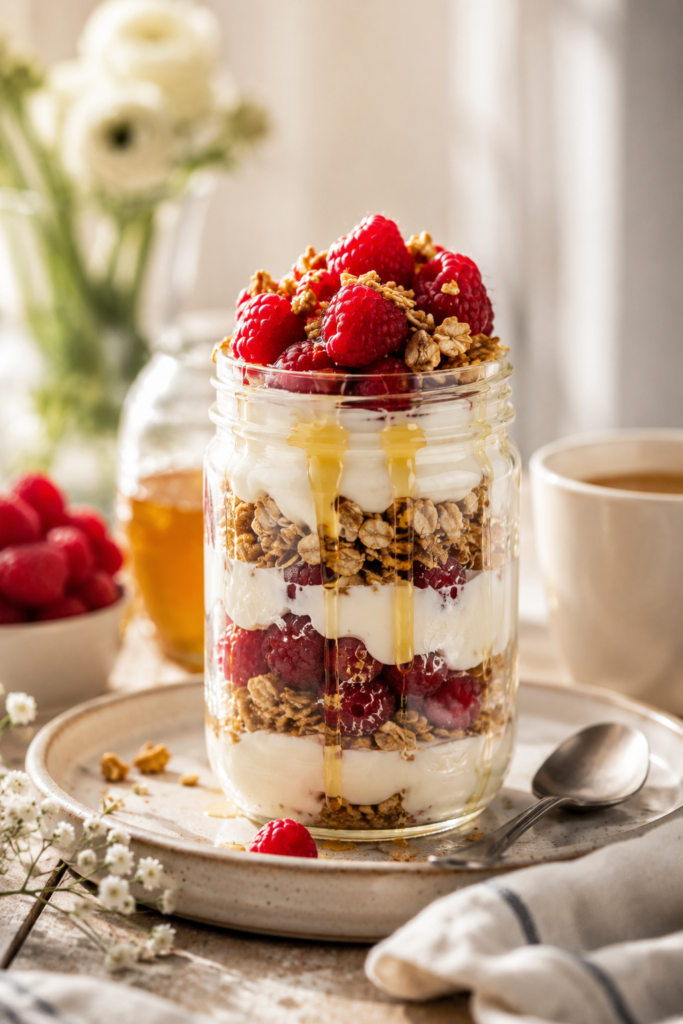
Parfaits decorated in visible layers through clear glass vessels transform simple ingredients into elegant, show-stopping desserts that work for both casual brunches and formal dinner parties. The visual layering communicates craft and intention even when the components are straightforward.
The key is contrast between layers: color contrast (dark granola against pale yogurt), texture contrast (crunchy against smooth), and height variation (fruit piled slightly higher than the rim). Use a piping bag to layer yogurt or cream cleanly against the glass for crisp visible bands.
For a brunch I hosted in early 2025, I built raspberry parfaits in wide-mouth mason jars using Greek yogurt, homemade granola, and fresh raspberries. Total cost per serving was under $2. Guests asked repeatedly where I bought them.
10. Fresh Fruit Carving: Simpler Than You Think
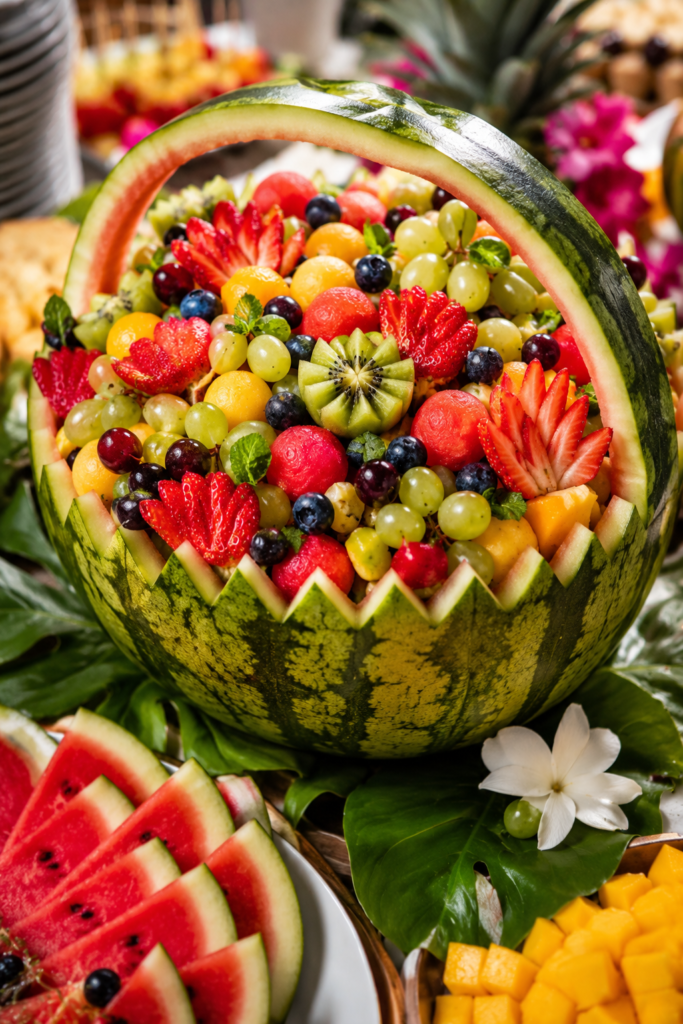
Basic fruit carving, particularly watermelon baskets and strawberry fans, adds a striking decorative element to fruit platters and buffet displays with surprisingly modest skill requirements. You do not need a professional melon baller or specialized kit to get started.
A strawberry fan is the entry point: make four to five thin cuts from just below the stem cap to the tip, keeping the base intact. Fan the slices outward gently. The result looks intricate and takes about 15 seconds per berry.
For watermelon baskets, use a small paring knife to cut a zigzag pattern around the equator of the melon, then separate the halves and hollow out the top. Fill with mixed fruit. Jacobsen Salt Co. sells a melon carving kit for about $22 that includes the tools needed for more advanced patterns, but a sharp paring knife handles most beginner designs.
11. Compound Butter Shapes: Elegant and Practical
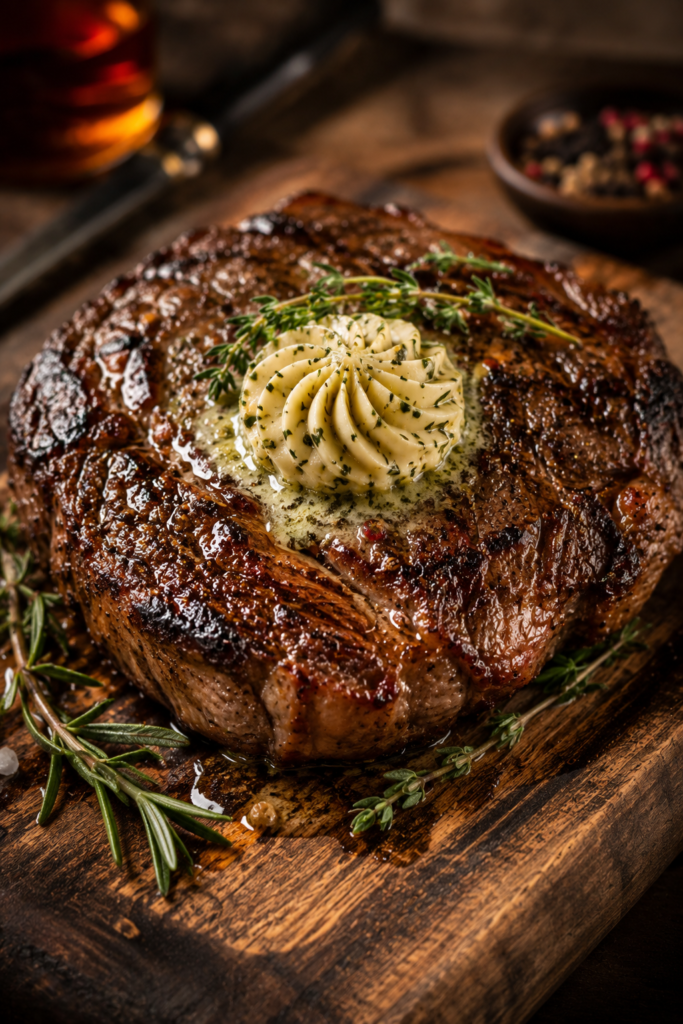
Compound butters rolled into logs, sliced into rounds, or pressed into small molds add visual refinement to bread baskets, steak plates, and vegetable dishes while simultaneously improving flavor. They can be prepared days in advance and refrigerated or frozen.
Blend softened butter with herbs, citrus zest, or spices. Roll tightly in plastic wrap, twist the ends, and refrigerate until firm. Slice into coins and place directly on warm food so they melt theatrically at the table.
For a dinner party steak course, a rosette of herb butter (made using a piping bag fitted with a 1M star tip) placed on top of a resting ribeye creates an instant restaurant aesthetic. Williams Sonoma sells silicone butter molds in shell and leaf shapes for around $18, which create perfectly formed decorative pats without any piping skill required.
12. Dehydrated Citrus Wheels
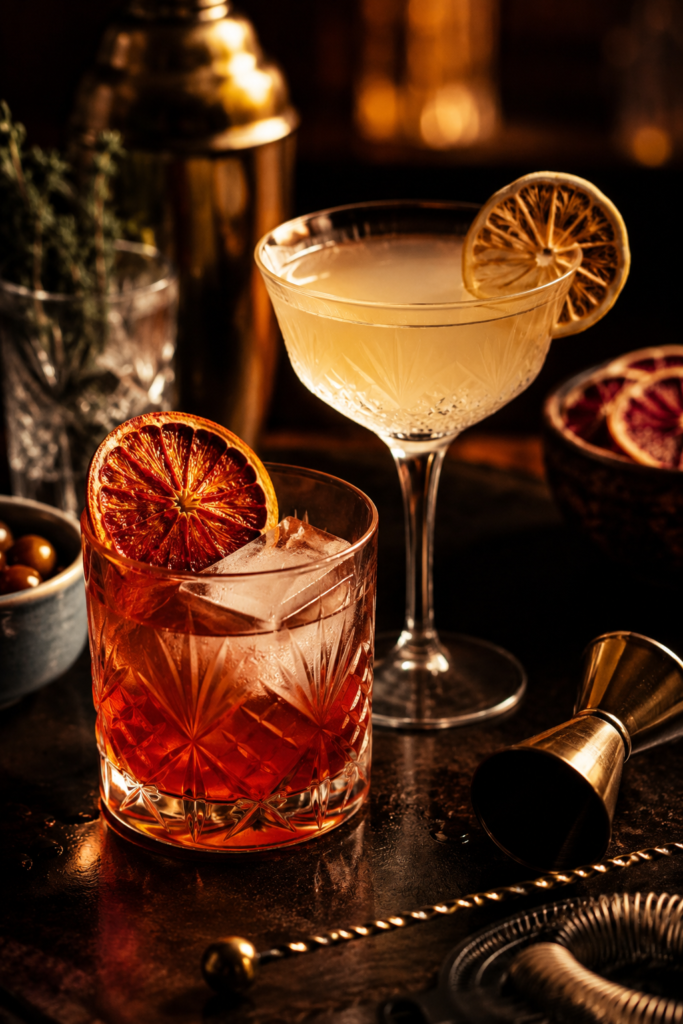
Dehydrated citrus wheels used as garnishes on cocktails, cake tops, and dessert plates combine long shelf life with striking visual appeal and a slight intensification of citrus aroma. Slice citrus 4mm thick, pat dry, and dehydrate at 170°F for 6 to 8 hours in a standard oven or 4 to 5 hours in a food dehydrator like the Excalibur 4-tray model (around $60).
Blood orange slices turn a deep jewel-like ruby color. Meyer lemon slices develop a translucent golden quality. These last up to three months stored in an airtight container, making them one of the most practical decorating investments you can make.
I keep a jar of mixed dehydrated citrus on my counter year-round. They have rescued countless last-minute cake decorating moments and elevated dozens of holiday cocktail presentations.
13. Spice Dust Gradients
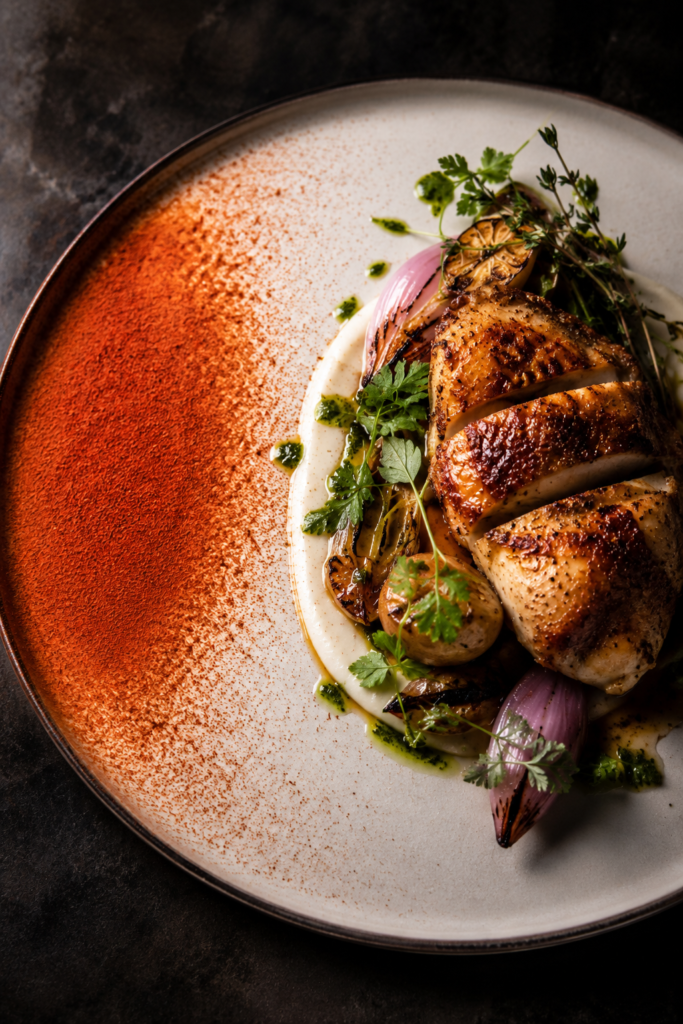
Dusting plates with single or blended spice powders before plating food creates a dramatic color gradient that frames the dish and adds aromatic complexity. Smoked paprika in a deep rust red, turmeric in vivid yellow, sumac in magenta-pink, and activated charcoal in stark black all create striking visual bases.
The technique: use a fine-mesh tea strainer to dust the spice in a curved arc near the edge of the plate before adding the food. The spice becomes part of the plate composition rather than an afterthought topping. This technique pairs particularly well with white or cream-colored dishes: ivory Crate and Barrel plates, for example, make the colors vibrate.
The flavor consideration matters here. Use spices that complement your dish. Smoked paprika under roasted chicken is intuitive. Sumac under a yogurt-based dish follows Middle Eastern flavor logic. Do not dust purely for visual effect without considering the taste interaction.
14. Piped Cream Rosettes
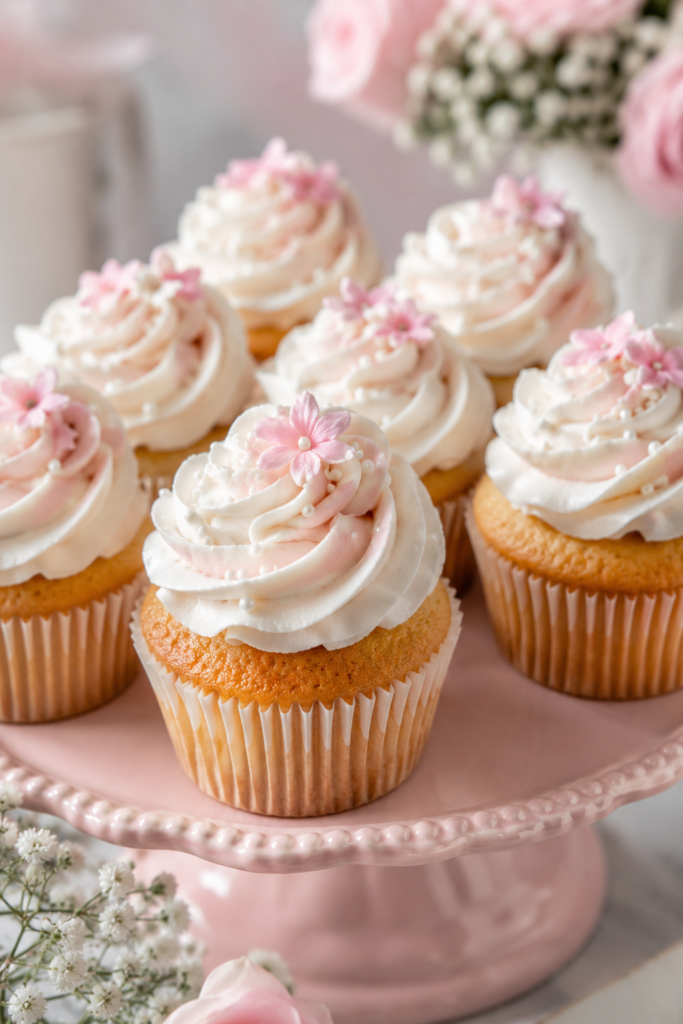
Mastering a basic piped cream rosette requires one practice session and a $3 piping bag, and it transforms the appearance of cakes, cupcakes, hot cocoa, and plated desserts immediately. The Wilton 1M open star tip is the industry standard entry point.
Fill the bag two-thirds full of stabilized whipped cream or buttercream. Hold the bag perpendicular to the surface, apply consistent pressure, rotate outward in a tight spiral from center, then pull away cleanly. Imperfect rosettes still look significantly better than spread frosting.
The stabilized whipped cream recipe that works reliably: 2 cups heavy cream, 3 tablespoons powdered sugar, 1 teaspoon vanilla, and 2 teaspoons unflavored gelatin bloomed in 2 tablespoons cold water and melted. It holds its shape for 24 to 48 hours refrigerated, which is a genuine game-changer for make-ahead entertaining.
15. Bento Box Compartment Design
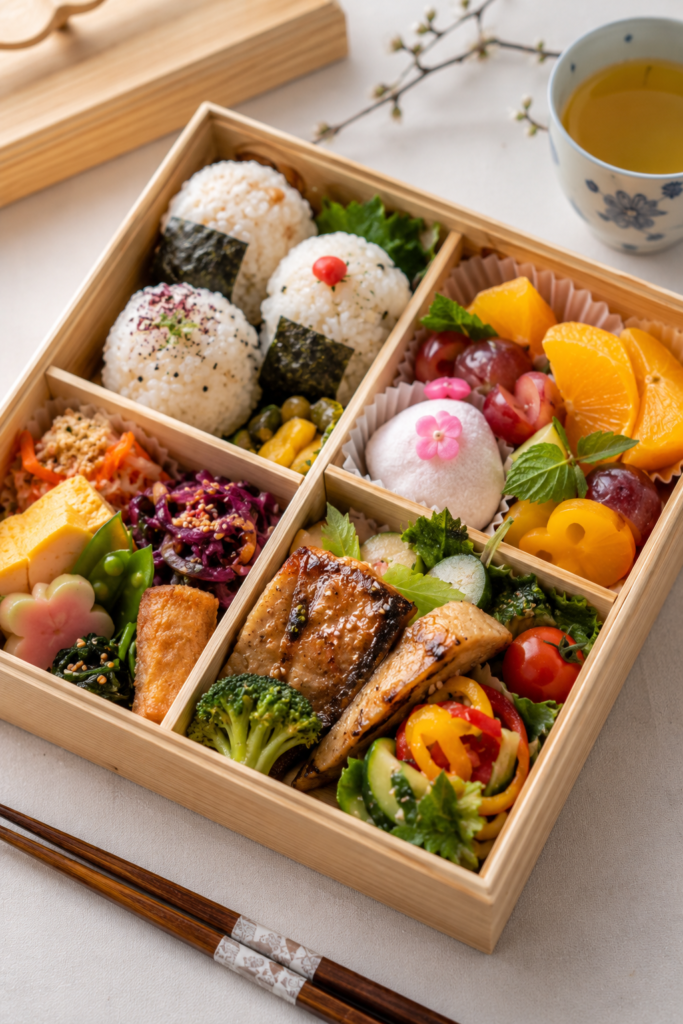
Thoughtfully arranged bento-style food compartments create visual order and perceived abundance even when the total food volume is modest. The visual principle at work is the Japanese concept of “shokuyoku,” or appetite stimulation through visual variety.
Use a 5 to 6 compartment container. Place the largest item first to anchor the arrangement. Fill remaining compartments with items that create color contrast with their neighbors. Add a small garnish in the final compartment: a single herb sprig, a few sesame seeds, a tiny citrus wedge.
EasyLunchboxes and Bentgo both make widely available compartment containers in the $12 to $18 range that work well for both kids’ lunches and adult meal prep presentations. The discipline of filling each compartment deliberately produces a final result that looks styled rather than assembled.
16. Cheese Boards as Art: The Rule of Odd Numbers
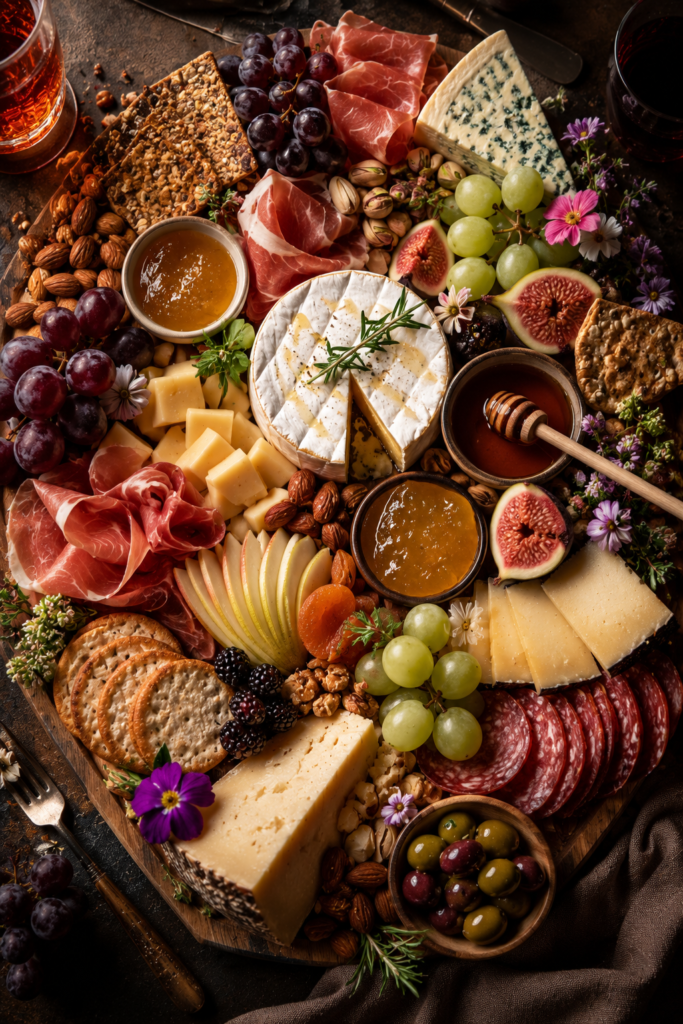
A visually compelling cheese and charcuterie board follows three key principles: odd numbers of main elements, deliberate flow between components, and at least five distinct colors visible from above. The board itself becomes a decoration that sets the tone for an entire gathering.
Start with three to five cheeses placed across the board at irregular intervals (not in a line). Add folded or rolled charcuterie in the gaps. Fill remaining space with crackers fanned outward, clusters of grapes at opposing corners, a small bowl of honey at center, and scatter toasted nuts and dried fruit in any remaining gaps.
The biggest mistake I consistently see: leaving too much visible board. Fill the gaps. Abundance is the visual goal. Murray’s Cheese consistently sells excellent board-building starter sets, and their online guides are genuinely helpful for developing your own eye for composition.
17. Japanese-Inspired Rice Molds and Onigiri Shaping
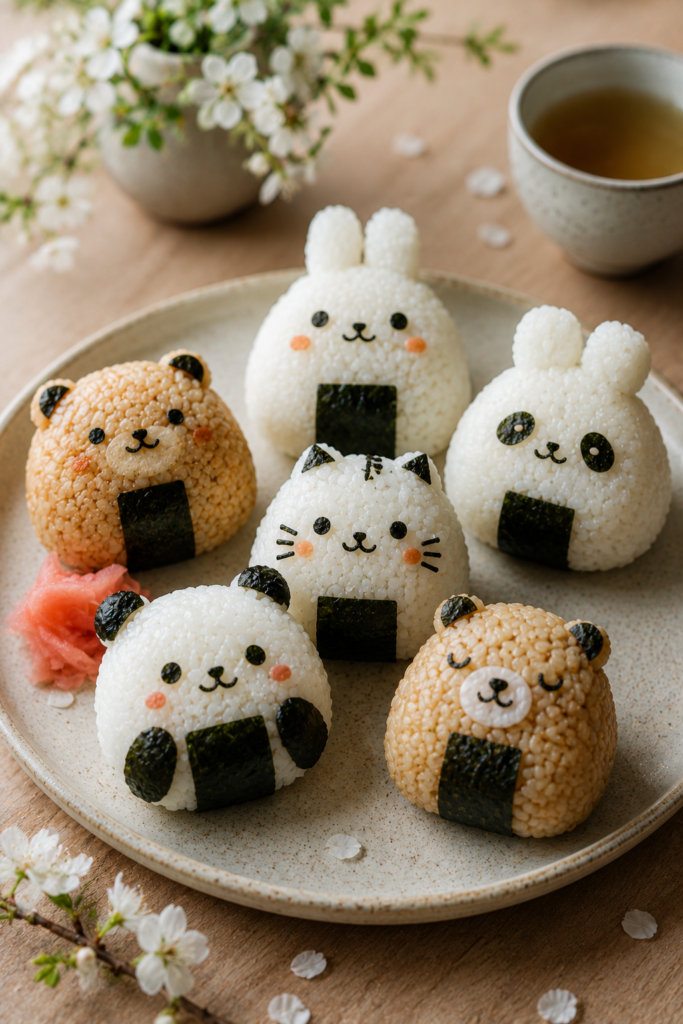
Rice shaped into balls, triangles, or character faces using molds or dampened hands creates visually appealing, self-contained food units that work for parties, lunchboxes, and appetizer presentations. The technique is forgiving and produces consistently attractive results on the first attempt.
DAISO Japan stores carry excellent silicone rice molds in animal and geometric shapes for $1.50 to $3. Online retailers stock the same items with wider selection. Short-grain Japanese rice (Tamaki Gold is excellent at around $12 per two-pound bag) holds its shape significantly better than long-grain varieties.
Press seasoned rice firmly into molds, unmold onto a plate, and wrap partially in toasted nori for visual contrast. Add a sesame seed “eye” or a strip of pickled ginger for color. The result photographs beautifully and requires no special artistic skill.
18. Foam Garnishes and Savory Espumas
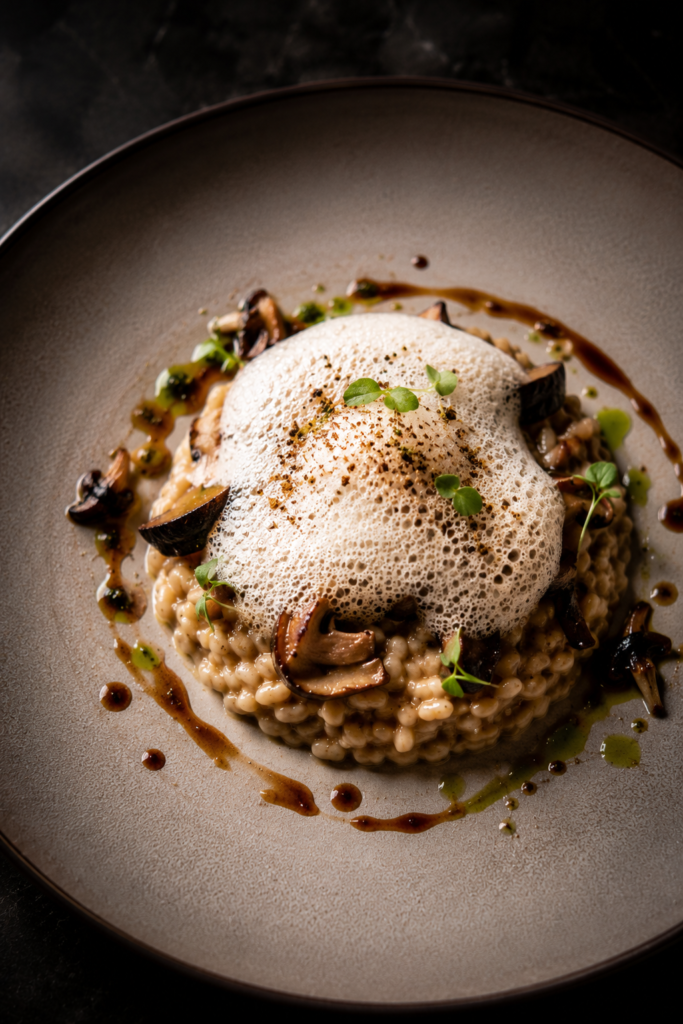
Savory foams, often called espumas after Ferran Adria’s influential technique, add dramatic visual lightness and concentrated flavor to restaurant-quality plating at home. A basic immersion blender foam requires no special equipment beyond what most home kitchens already have.
Heat 1 cup of flavorful liquid (mushroom broth, roasted tomato juice, herb-infused cream) with half a teaspoon of soy lecithin granules (available on Amazon for around $12 per pound). Use an immersion blender held at an angle at the liquid’s surface to whip in air. Scoop the resulting foam with a spoon onto your dish.
The foam will hold for 3 to 5 minutes, which is enough time for plating and serving. It looks wildly technical to guests unfamiliar with the technique but is genuinely simple once you have the lecithin on hand.
19. Candy Glass and Isomalt Decorations
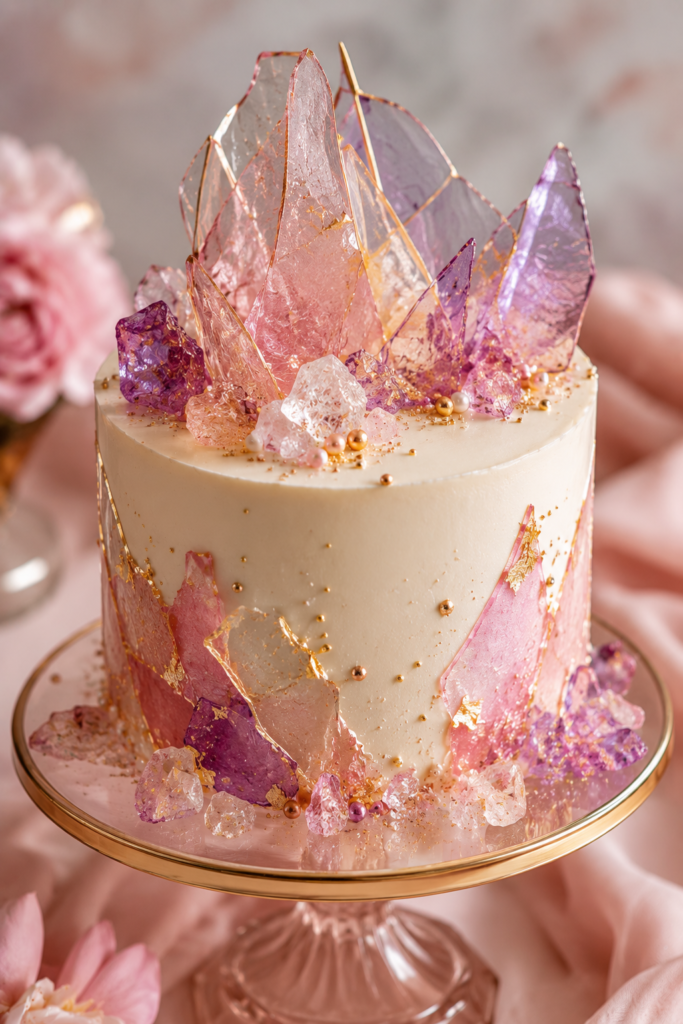
Isomalt, a sugar substitute that melts and sets clear, creates stunning translucent “glass” decorations for cakes and desserts that catch light dramatically and require minimal artistic skill. Pre-colored isomalt sticks from Sugar & Crumbs or Simi Cakes (around $14 for 200g) melt directly in a silicone mold in the microwave.
Pour melted isomalt into silicone molds, let set for 20 minutes, and unmold. The result is jewel-like in color and clarity. Geometric shapes, gemstone molds, and leaf shapes are the most widely available and most visually striking.
These decorations last indefinitely stored in airtight containers away from humidity, making them an excellent investment for regular entertainers. One batch of isomalt decorations can dress 8 to 10 cakes or dessert portions.
20. The Height Principle: Thinking Vertically
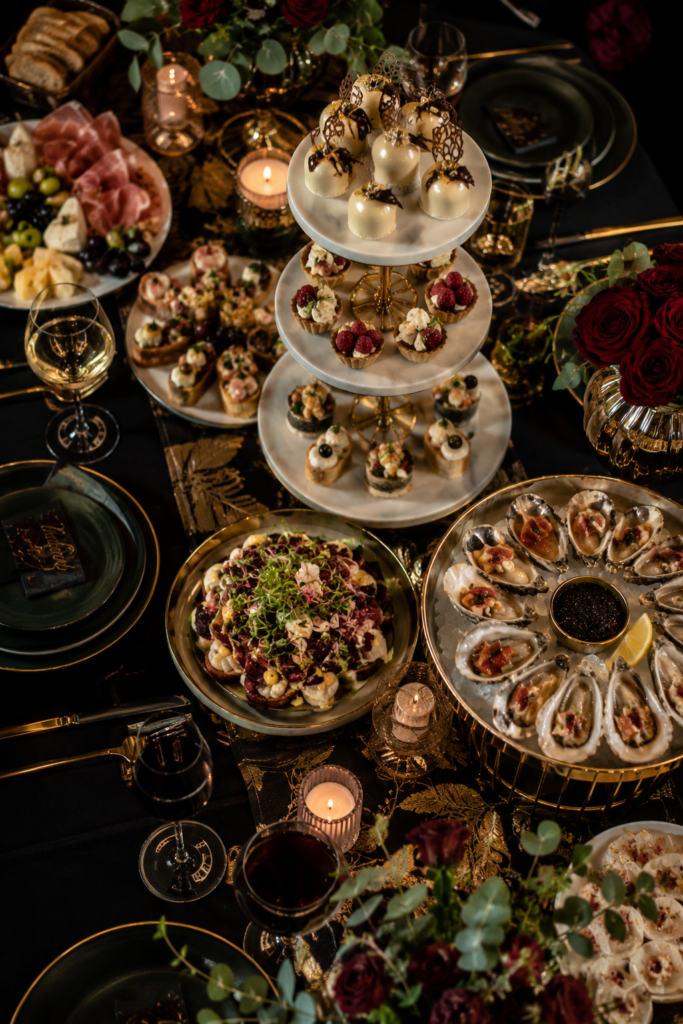
The single most impactful general principle in food decoration is height variation, because food arranged at different vertical levels immediately reads as more dynamic, professional, and intentional than food arranged flat on a surface. This applies whether you are plating a single restaurant-style entree or building a buffet table.
For individual plates: lean proteins against a mound of vegetables rather than laying them flat. Prop toast points against a dip. Create height in salads by piling greens loosely rather than pressing them flat. The food should never look like it settled under gravity. It should look like it was placed with intention.
For buffet and board presentations: use ramekins, small bowls, and cake stands at varying heights to create visual topography. A flat board is a missed opportunity. Raise one element 3 to 4 inches above the others and the entire presentation transforms.
Comparison: Best Food Decoration Tools by Budget
| Tool | Cost (2025) | Best For | Learning Curve |
|---|---|---|---|
| OXO Squeeze Bottles (2-pack) | $12 | Herb oils, sauces | None |
| Wilton 1M Tip + Piping Bags | $8 | Cream rosettes, frosting | Low |
| Y-Peeler (OXO) | $10 | Vegetable ribbons | None |
| Silicone Butter Molds | $18 | Compound butter shapes | None |
| Ateco Stencil Set | $10 | Powdered sugar patterns | None |
| Immersion Blender | $30-60 | Foams, purees | Low |
| Isomalt + Molds | $25-35 | Cake toppers | Medium |
| Food Dehydrator (Excalibur) | $60 | Citrus wheels, fruit chips | Low |
FAQ: Food Decoration Ideas
What are the easiest food decoration ideas for beginners? Start with edible flowers, herb oil drizzles, and the sauce smear technique. All three require no special equipment, cost under $10 to attempt, and produce immediately visible results. The sauce smear in particular takes 10 seconds and makes any savory dish look professionally plated.
How do I decorate food without expensive tools? You do not need expensive tools. A squeeze bottle, a fine-mesh sieve, and a Y-shaped peeler cover the majority of techniques described here. Many of the most effective ideas, like microgreen garnishes, citrus supremes, and height variation, require nothing you do not already own.
Which food decoration ideas work for kids’ meals? Onigiri shaping, bento box compartment design, and any technique that creates recognizable shapes (animal faces from fruit, vegetable “flowers”) work particularly well for children. The visual transformation can turn refused foods into eagerly eaten meals.
How far in advance can I prepare food decorations? Dehydrated citrus wheels last three months. Isomalt decorations last indefinitely stored away from humidity. Compound butter can be frozen for up to three months. Herb oils keep refrigerated for one week. Most decorating can be prepped well ahead of serving.
What is the most important food decoration principle? Height variation, without question. A flat plate will never look as dynamic as one with intentional vertical movement. Before worrying about any specific technique, ask yourself: is there any height variation in this presentation? If not, add some.
How do restaurants make their plating look so intentional? They use odd numbers, deliberate sauce placement, strategic garnish positioning at the 10 o’clock area of round plates, and they never touch the rim of the plate with food. Practice these four habits consistently and your plating will improve dramatically within a week.
Are edible flowers actually safe to eat? Yes, when purchased specifically labeled as edible and food-safe, from reputable grocery stores or farmers markets. Never use flowers from a florist or garden center, as these are typically treated with pesticides not intended for consumption.
Conclusion: Your Next Step Starts With One Idea Tonight
The 20 food decoration ideas in this guide range from techniques you can implement in the next ten minutes to skills that reward a few weeks of practice. The through line is this: every single one of them will improve the experience of the person you are feeding, whether that person is a dinner party guest, a child at lunchtime, or yourself on a Tuesday evening when you decide that the effort of a small garnish is worth the return.
Here is my recommendation: start with the sauce smear. Do it tonight on whatever you are making for dinner. Take a photograph before and after. The difference will be stark enough to motivate you to try the next idea, and then the one after that.
I genuinely believe that the growing popularity of food decoration in home kitchens, driven partly by social media and partly by the pandemic-era rediscovery of cooking as meaningful daily practice, represents something significant. When we put visual intention into the food we prepare, we communicate to the people receiving that food that their experience matters to us. That is not a small thing.
What is your biggest challenge with food presentation right now? Drop a comment below. I read everything and answer as many as I can.